
Restaurant in Cambridge, United States
Clover
100ptsIngredient-Forward Counter
About Clover
Clover at 1326 Massachusetts Ave occupies a distinct position in Cambridge's fast-casual scene, built around ingredient sourcing as a structural commitment rather than a marketing footnote. The menu rotates with what regional farms can supply, placing it closer to the farm-to-counter movement than to conventional quick-service. For Harvard Square regulars, it functions as a daily canteen with a clearer agricultural logic than most restaurants at any price point.
Where Harvard Square Eats When It Means It
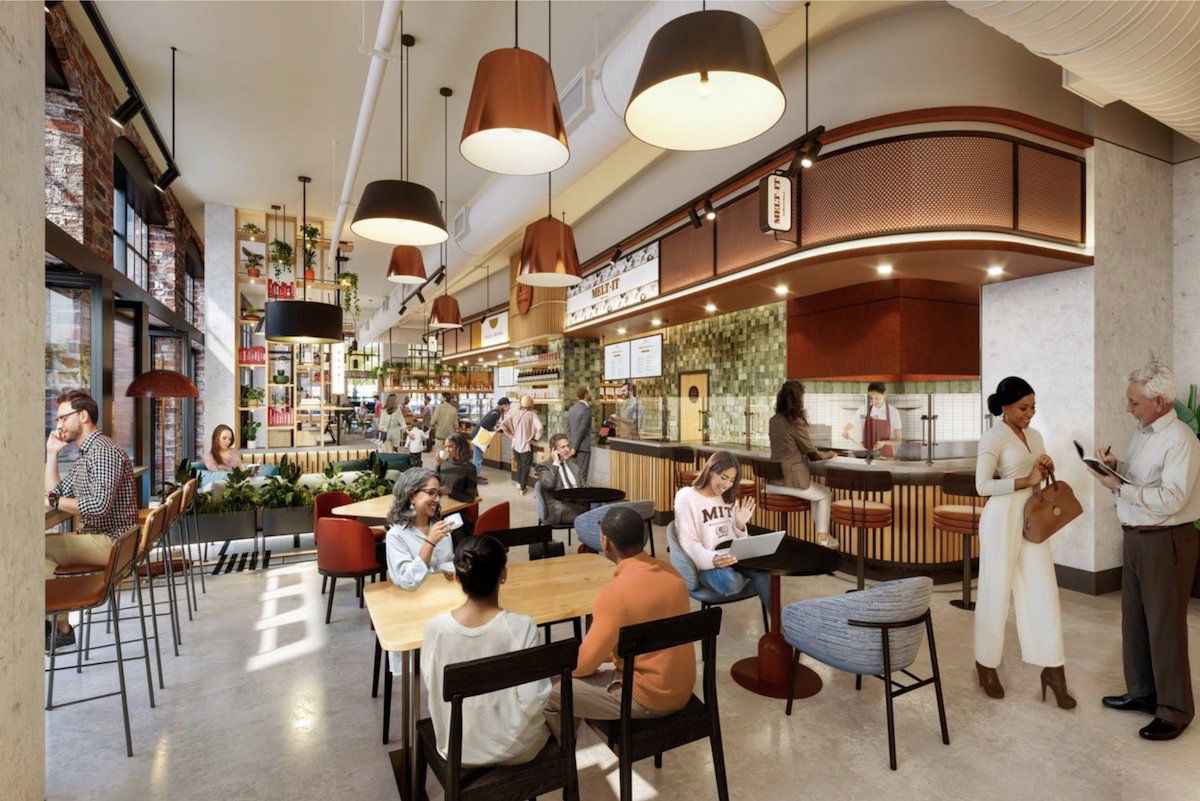
Massachusetts Avenue through Harvard Square moves fast. Students cut between lectures, commuters thread past tourists, and the food options along that stretch span every register from grab-and-go chains to the white-tablecloth tier represented by Midsummer House and Restaurant Twenty-Two. Clover, at 1326 Massachusetts Ave, occupies a middle band that gets less critical attention than it deserves: fast-casual with a sourcing discipline that most full-service restaurants do not bother to apply. The physical space reads accordingly — counter service, functional interior, a menu written on boards rather than printed on card stock. But the agricultural logic underneath it is what makes Clover worth understanding in the context of Cambridge dining, not just in the context of cheap lunch.
Sourcing as Structure, Not Marketing
The farm-to-table framing has been so thoroughly co-opted by restaurant marketing over the past decade that it has nearly lost descriptive value. What separates operations that genuinely build menus around regional supply from those that badge a single local ingredient on an otherwise conventional menu is structural commitment: purchasing relationships, menu flexibility, and the willingness to rotate dishes when supply shifts. Clover operates on the structural end of that spectrum. The menu is not fixed the way a conventional quick-service operation fixes its menu — it changes based on what regional New England farms are producing at a given point in the season.
This matters more in New England than in, say, California, where growing seasons overlap and supply variety stays high year-round. New England's agricultural calendar is compressed and unforgiving. A winter menu in Cambridge looks genuinely different from a late-summer one, and that seasonal compression is exactly what tests whether a sourcing commitment is real or decorative. At Clover, the rotation appears to reflect actual supply constraints rather than a marketing calendar, which places it in a different category from venues that swap a seasonal garnish and call the menu updated.
The broader movement Clover belongs to , rigorous ingredient-led fast-casual , has developed significant institutional credibility in the United States over the past fifteen years. At the fine-dining tier, operations like Blue Hill at Stone Barns in Tarrytown and Single Thread Farm in Healdsburg built entire reputations around farm integration, with the farm either on-site or operating as a direct supply partner. Smyth in Chicago works within a similar model at tasting-menu prices. What Clover demonstrates is that the sourcing discipline does not require a tasting-menu price point to be applied seriously , it requires operational willingness and purchasing relationships, both of which exist independently of format.
The Cambridge Context
Cambridge dining has a particular character shaped by its institutional density. Harvard and MIT between them generate a population that is educated, internationally mobile, and accustomed to eating across a wide range of formats and price points. The result is a food scene that supports genuine range: you can find Afghan Flavour drawing a loyal neighbourhood crowd, 1369 Coffee House functioning as a community anchor, and 730 Tavern, Kitchen and Patio covering the casual bar-dining register. Clover fits into this ecosystem as an option that meets daily-use frequency without asking for daily-use compromises on ingredient quality.
That positioning is not trivial. The difficulty with sourcing-led menus at accessible price points is that the economics only work at volume. Clover's multi-location presence in the Boston and Cambridge area , the Massachusetts Ave address is one of several , provides the purchasing scale that makes the sourcing model economically viable. A single-unit operation with the same philosophy would face margin pressure that most operators resolve by quietly softening their sourcing standards. The multi-site structure here supports the model rather than diluting it, which is the more interesting outcome.
How It Compares to Ingredient-Led Peers
The farm-integration movement in American restaurants runs across a wide price spectrum. At the far end, The French Laundry in Napa, Providence in Los Angeles, and Addison in San Diego build sourcing into multi-hundred-dollar tasting formats where the cost of premium regional supply is absorbed across a small number of high-value covers. Le Bernardin in New York City applies comparable rigor to seafood sourcing within a similarly priced frame. The challenge , and the interest , with Clover is that it operates at the other end of the price axis, where the sourcing commitment is less expected and harder to sustain.
The comparison that lands most cleanly is not with fine dining but with the broader fast-casual category, where Clover's menu rotation and regional purchasing model sit apart from competitors that use the same language but apply it with far less structural depth. For a reader used to evaluating restaurants at the level of Atomix in New York City or Emeril's in New Orleans, Clover operates in a completely different register , but the underlying logic of letting supply drive the menu rather than the reverse is a shared value across the spectrum.
Planning a Visit
Clover at 1326 Massachusetts Ave runs on a counter-service format, which means no reservations and walk-in access at any point during operating hours. The Harvard Square location sits on one of the most foot-trafficked stretches of Cambridge, accessible from the Harvard MBTA Red Line stop within a few minutes on foot. Peak lunch hours on weekdays move quickly given the student and faculty population nearby, so mid-morning or mid-afternoon visits tend to involve shorter queues. For a broader picture of where Clover sits within Cambridge's full dining range, our full Cambridge restaurants guide maps the scene across formats and price points. Those seeking the fine-dining end of the Cambridge spectrum will find Midsummer House and Restaurant Twenty-Two operating at a different price tier with advance booking required.
Frequently Asked Questions
- What do regulars order at Clover?
- Regulars tend to anchor on whichever seasonal sandwich or grain bowl reflects the current farm supply, since those items shift and signal what the kitchen is working with at a given time. The chickpea fritter sandwich has historically been one of the more consistent items across the menu cycle, serving as a reliable reference point for first-time visitors. Clover's vegetable-forward approach means the most recommended items vary by season rather than by a fixed signature dish.
- Do they take walk-ins at Clover?
- Yes. Clover operates on a counter-service model with no reservations, so walk-in access is the standard format at all times. In a city like Cambridge, where many restaurants at higher price points require advance booking weeks out, this makes Clover one of the more accessible options for spontaneous visits. Expect queues at peak lunch hours, particularly on weekdays when the Harvard Square area fills quickly.
- What has Clover built its reputation on?
- Clover's reputation rests on applying genuine regional sourcing discipline to a fast-casual format , a combination that remains less common than the marketing language around it suggests. The menu rotation tied to New England farm supply, rather than a fixed printed menu, is the operational signal that distinguishes it from competitors using similar vocabulary. In the Cambridge context, that commitment has made it a daily canteen for a population that eats across a wide range of formats and applies some scrutiny to what it eats.
- Do they accommodate allergies at Clover?
- Clover's menu is largely plant-based by design, which removes several common allergen categories by default, but specific accommodation queries are leading directed to the venue directly given that menu items rotate with farm supply. Because no phone or website data is confirmed in our records, the most reliable approach for allergy-specific questions is to visit the counter and ask before ordering. Cambridge's dining scene includes options across dietary needs, and Clover's vegetable-forward format makes it one of the more structurally accommodating venues in the fast-casual tier.
- Is Clover suitable for a quick meal between meetings near Harvard Square?
- Counter service and a short order-to-food turnaround make Clover a practical choice for time-constrained visits in the Harvard Square area. The Massachusetts Ave address at number 1326 is within easy walking distance of the Harvard Red Line stop, and the format does not require waiting for a table or a server. The menu's farm-supply rotation means what's available changes, but the pace of service stays consistent regardless of what's on the boards.
Related editorial
- Best Fine Dining Restaurants in ParisFrom three-Michelin-star icons to the next generation of Parisian chefs pushing boundaries, these are the restaurants that define fine dining in the world's culinary capital.
- Best Luxury Hotels in RomeFrom rooftop terraces overlooking ancient ruins to Michelin-starred hotel dining, these are the luxury hotels that make Rome unforgettable.
- Best Cocktail Bars in KyotoFrom sleek lounges to hidden speakeasies, Kyoto's cocktail scene blends Japanese precision with global influence in ways you won't find anywhere else.
Save or rate Clover on Pearl
Keep this venue in your Pearl passport, rate it after you visit, and track it alongside every other place you collect.