
Restaurant in Übersee, Germany
Chiemgauhof
100ptsBavarian Larder Precision

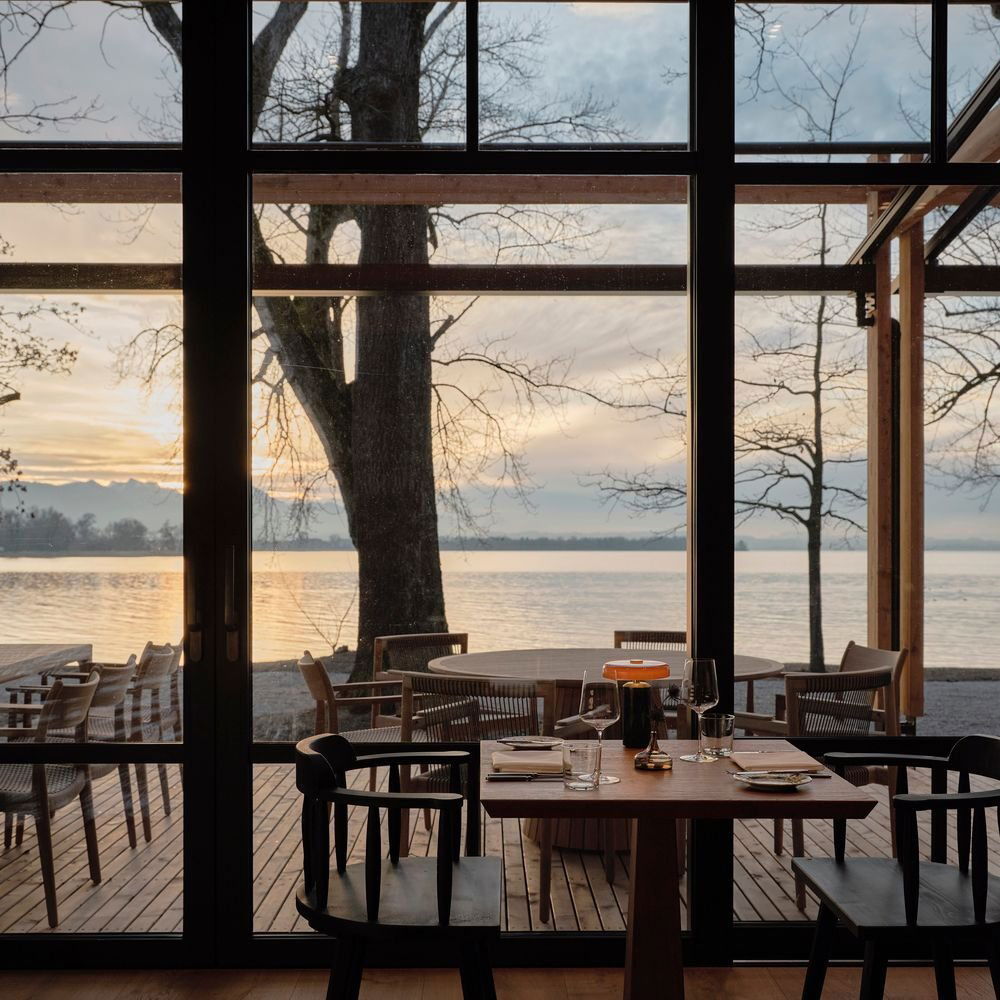
About Chiemgauhof
A 2025 Michelin Plate recipient on the Chiemsee shore, Chiemgauhof works within the farm-to-table tradition that has quietly taken hold across Bavaria's rural southeast. The kitchen draws from the agricultural richness of the Chiemgau region, translating local sourcing into a dining format that sits at the upper end of the area's price range. With a Google rating of 4.2 across 443 reviews, it has built consistent local standing.
Where the Chiemgau Larder Meets the Table
The Bavarian southeast has long operated a quiet, productive relationship between its farms, lakes, and kitchens. The Chiemgau plain, framed by the Alps to the south and the Chiemsee at its centre, produces dairy, freshwater fish, game, and garden vegetables at a density that many German regions cannot match. Chiemgauhof, at Julius-Exter-Promenade 21 in Übersee, sits inside that agricultural logic rather than importing an external culinary identity onto it. The address places it along the lake's eastern shore, in a town whose dining scene is small enough that each serious kitchen carries real weight. For context on the full range of options in the area, see our full Übersee restaurants guide.
The Farm-to-Table Argument in Bavaria
Farm-to-table as a phrase has been diluted by overuse, but the underlying commitment — sourcing from named producers within a defined radius, building menus around what is available rather than what is fashionable — remains a meaningful discipline when followed seriously. In the German context, this tradition has roots in the Gasthof model, where seasonal produce from surrounding farms appeared on tables as a matter of necessity long before it became a marketing category. Contemporary kitchens working in this mode, such as Au Gré du Vent in Seneffe and BOK Restaurant Brust oder Keule in Münster, distinguish themselves by the rigour of that sourcing relationship rather than the label.
Chiemgauhof operates in a region where the sourcing argument is unusually easy to make. The Chiemgau's dairy farms produce milk with a flavour profile shaped by Alpine pasture. The lake itself supplies pike-perch and other freshwater species. Game from the surrounding forests , venison, wild boar , moves through professional kitchens here with a regularity that would be difficult to sustain in a major city. A kitchen positioned at €€€ in this environment has both the opportunity and the obligation to reflect that geography on the plate.
Recognition and Peer Context
The 2025 Michelin Plate awarded to Chiemgauhof is a signal worth reading carefully. The Plate designates restaurants that Michelin inspectors regard as serving good food , it sits below the starred tiers but confirms that the kitchen meets a consistent technical standard. In a rural lakeside town rather than a metropolitan dining district, that recognition carries specific weight: it places Chiemgauhof in a peer set defined by quality rather than by postcode.
For comparison, the Chiemgau corridor's most decorated neighbour is ES:SENZ in Grassau, which operates at a different intensity level. Further afield, the broader German fine dining circuit runs through addresses such as JAN in Munich, Aqua in Wolfsburg, and Schwarzwaldstube in Baiersbronn at the three-star level, or Vendôme in Bergisch Gladbach and CODA Dessert Dining in Berlin at two stars. Chiemgauhof is not in competition with that tier, but the Michelin Plate places it clearly above the generic Bavarian restaurant trade. Other decorated German tables worth knowing include Restaurant Haerlin in Hamburg, Schanz in Piesport, Victor's Fine Dining by Christian Bau in Perl, and Waldhotel Sonnora in Dreis.
The Google rating of 4.2 across 443 reviews adds a different layer of data. At that volume, a 4.2 represents a stable consensus rather than a narrow sample, and it suggests the kitchen performs consistently across a broad range of visits rather than only on exceptional occasions.
What to Eat
The kitchen's farm-to-table orientation and the Michelin Plate recognition together point toward a menu built around regional ingredients handled with technical care. In the Chiemgau context, that typically means dishes anchored in the season's available produce: spring herbs and early vegetables, summer stone fruit alongside cured and smoked elements, autumn game and root vegetables, winter preparations that rely on storage, pickling, and intensification. The cuisine type listed is farm-to-table, which here is less a style than a sourcing discipline applied across the full menu cycle. Specific dishes are not confirmed in our data, but the framework is consistent with a kitchen that changes its offer as the agricultural calendar moves rather than maintaining a static menu year-round. For the most current picture of what the kitchen is serving, direct contact with the restaurant before visiting is advisable.
Planning a Visit
Chiemgauhof sits at the €€€ price point, which in the German market places it in the premium-but-not-extreme bracket , above the comfortable Gasthof tier, below the tasting-menu-only fine dining format. That positioning makes it a plausible choice for a serious dinner without the formality or financial commitment of a starred room. Übersee is reachable from Munich in under an hour by road, and the Chiemsee area draws visitors throughout the year, with summer lake access adding a travel context that makes a dinner reservation easier to build into a broader trip.
The nearby wine-focused address June, a wine bar with regional cuisine, offers a different format for the same evening or for comparison across a longer stay. For those planning a full itinerary around the area, our Übersee hotels guide, bars guide, wineries guide, and experiences guide cover the full range of options in the town. Booking details are not confirmed in our current data; contacting the restaurant directly before your visit is the reliable approach for reservations and hours.
Frequently Asked Questions
- What should I eat at Chiemgauhof?
- The kitchen holds a 2025 Michelin Plate and works within a farm-to-table framework, which means the menu is shaped by what the Chiemgau region produces seasonally: local dairy, freshwater fish from the Chiemsee, game, and garden vegetables. Dishes are not confirmed in our data, but the sourcing discipline suggests the strongest choices will be those that reflect the current season most directly. Ask the kitchen what is arriving from local producers that week , that question tends to unlock the most considered part of any farm-to-table menu.
- What is the overall feel of Chiemgauhof?
- Übersee is a small lakeside town rather than a city dining district, and Chiemgauhof operates at €€€ with a Michelin Plate , a combination that points toward a kitchen with serious intent in a setting that does not demand metropolitan formality. The 4.2 rating across 443 Google reviews suggests a room where quality is consistent without being austere. By comparison with decorated urban addresses in the German circuit, this is a more relaxed format, but one where the food is taken seriously.
- Is Chiemgauhof child-friendly?
- At the €€€ price point in a Michelin-recognised setting, the format is weighted toward adult diners. That said, Bavaria's dining culture is generally more accommodating of families than metropolitan fine dining rooms in larger German cities, and lakeside restaurants in the Chiemsee area often attract a mixed clientele across age groups. If a visit with children is the plan, confirming directly with the restaurant is the practical step , their booking policies and room setup are not confirmed in our current data.
Recognized By

Similar venues by awards
Related editorial
- Best Fine Dining Restaurants in ParisFrom three-Michelin-star icons to the next generation of Parisian chefs pushing boundaries, these are the restaurants that define fine dining in the world's culinary capital.
- Best Luxury Hotels in RomeFrom rooftop terraces overlooking ancient ruins to Michelin-starred hotel dining, these are the luxury hotels that make Rome unforgettable.
- Best Cocktail Bars in KyotoFrom sleek lounges to hidden speakeasies, Kyoto's cocktail scene blends Japanese precision with global influence in ways you won't find anywhere else.
Save or rate Chiemgauhof on Pearl
Keep this venue in your Pearl passport, rate it after you visit, and track it alongside every other place you collect.