
Restaurant in Antibes, France
Chez Josy
100ptsNeighbourhood Provençal Anchor
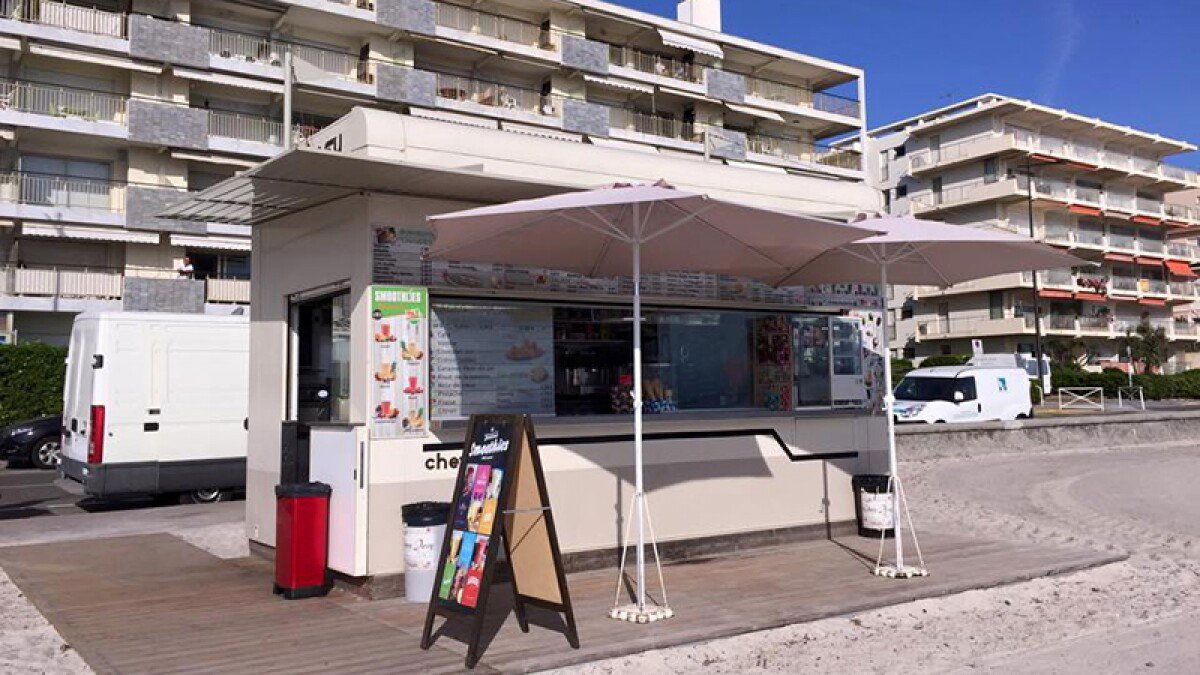
About Chez Josy
On Boulevard James Wyllie in Antibes, Chez Josy occupies the kind of address where the Côte d'Azur's ingredient culture does most of the talking. The restaurant draws on the deep Provençal sourcing traditions of the Alpes-Maritimes, placing it in a local dining tier defined more by produce fidelity than kitchen theatrics. It sits alongside Antibes' neighbourhood bistros as a counterpoint to the headliner addresses further along the cape.
Where Antibes Keeps It Local
The stretch of Boulevard James Wyllie in Antibes is not the address that appears in resort itineraries or cape-side dinner recommendations. That is partly the point. The Côte d'Azur has a well-documented split between its headline dining tier, where addresses like Louroc at Hôtel du Cap-Eden-Roc and Les Pêcheurs price and present themselves against an international peer set, and a quieter neighbourhood tier where the sourcing logic of the Alpes-Maritimes operates without ceremony. Chez Josy belongs to the second category. The approach that defines this tier is not minimalism for its own sake but a practical commitment to what the regional market actually produces: fish from the Mediterranean's smaller-boat fisheries, vegetables from the market gardens of the Var and Alpes-Maritimes hinterland, and a kitchen rhythm tied more closely to seasonal availability than to menu continuity.
The Provençal Sourcing Tradition This Address Sits Inside
Understanding what Chez Josy represents requires some context about how ingredient sourcing has historically shaped the restaurants of this stretch of coast. The Alpes-Maritimes department sits at the intersection of Mediterranean fishing grounds, Alpine herb culture, and the market garden belt that runs inland from Nice toward Grasse. Restaurants working within this tradition tend to build menus around what arrives rather than around fixed signature dishes, which means the kitchen's relationship with suppliers is structurally more important than its relationship with a defined repertoire. This is a different operational logic from the modern cuisine addresses that line the Antibes cape, where L'Arazur and its peers execute technically refined menus against a broader Riviera fine dining context.
The bistro and neighbourhood restaurant tier on the Côte d'Azur has historically been where this sourcing culture is most legible. Dishes built around rouget, loup de mer, or sardines from day-boat landings at nearby ports; vegetables arriving from the Marché Provençal in Antibes' old town, open six mornings a week; olive oil from the mills of the Var. The produce chain here is shorter than in most French coastal cities of comparable size, and restaurants that work within it tend to reflect seasonal shifts more visibly than those operating at the leading of the price range, where supply chains are often more controlled and international.
Antibes' Neighbourhood Dining Tier: What It Offers and What It Doesn't
Antibes has enough dining range that the choice between tiers is a genuine editorial decision. The cape addresses, including Le Figuier de Saint-Esprit with its regional fine dining positioning, operate at €€€€ and pitch their experience against visitors who have driven the Riviera circuit or arrived by yacht. The neighbourhood tier, which includes Chez Jules Le Don Juan at €€ and addresses like Chez Josy, offers a different register entirely: less controlled, more contingent on what the week has produced, and considerably more accessible in cost terms. Neither tier is categorically superior. The question is what kind of meal a visitor is looking for and how much they value the contingency of sourcing over the consistency of execution.
The wider Côte d'Azur dining scene reinforces this structural split. Mirazur in Menton has made ingredient provenance into a high-concept framework, with its kitchen garden supplying a significant portion of the menu. At that level, sourcing becomes a deliberate, priced proposition. At the neighbourhood level along the coast, sourcing is simply how things have always worked, and the value is embedded in informality rather than articulated as a selling point.
Reading the French Tradition Through Chez Josy's Position
France's regional restaurant culture has long operated on the assumption that the leading cooking in any area is often not at its most decorated address. The tradition runs from the auberges of the Rhône Valley, where places like Georges Blanc in Vonnas grew from family cooking into institutional dining, through to the farmhouse restaurants of the southwest and the port-side bistros of the Mediterranean. The neighbourhood restaurant's role in that tradition is not to compete with the starred tier but to preserve a kitchen logic that the starred tier often cannot afford: genuine daily improvisation around available produce, cooking that responds to the catch rather than dictating it.
That tradition has a long French pedigree. Institutions like Auberge de l'Ill in Illhaeusern or Les Prés d'Eugénie in Eugénie-les-Bains grew out of regional cooking that was deeply embedded in local sourcing before it became fine dining. The neighbourhood bistro tier represents the same instinct operating without the institutional overlay. On the Riviera, that means a direct relationship with the morning market, a menu that shifts with the week, and a price point that allows for regulars rather than a tourist-only clientele.
Planning a Visit to Chez Josy
Chez Josy sits on Boulevard James Wyllie in Antibes, within reasonable reach of the old town and the Marché Provençal. No booking platform or direct website details are confirmed in EP Club's current data, so visiting in person or calling ahead via local information sources is the practical approach for first-time visitors. Antibes old town is walkable from the address, and the restaurant sits in a part of the city that rewards a slower afternoon itinerary rather than a cap-and-cape dining circuit. Those building a wider Antibes dining plan can consult our full Antibes restaurants guide for comparative context across the city's price tiers.
The neighbourhood restaurant tier across the Riviera tends to operate on tighter seasonal schedules than their cape-side counterparts, with some addresses closing for portions of the low season. Visiting between May and October covers the period when the regional produce supply is at its widest and the kitchen's sourcing range is most varied. For visitors arriving from beyond the region, the Riviera's dining circuit rewards pairing a neighbourhood address like this one with a higher-tier stop: Le Figuier de Saint-Esprit offers the sharpest local contrast within Antibes itself.
Frequently Asked Questions
- What dish is Chez Josy famous for?
- EP Club's current data does not confirm specific signature dishes for Chez Josy. Restaurants in this tier on the Côte d'Azur typically build their menus around daily market availability rather than fixed signatures, so the strongest dishes on any given visit will reflect what the Alpes-Maritimes region is producing that week. Mediterranean fish preparations and Provençal vegetable dishes are the structural anchors of this cuisine tradition. For addresses with confirmed signature dishes in Antibes, see Les Pêcheurs and Le Figuier de Saint-Esprit.
- How far ahead should I plan for Chez Josy?
- Booking lead times are not confirmed in EP Club's current data for Chez Josy. Neighbourhood bistros in Antibes at this price tier typically operate without the advance booking windows required at the city's €€€€ addresses, but high-season demand along the Riviera, particularly between June and August, can reduce availability at shorter-capacity restaurants. Arriving with some flexibility in your itinerary is the practical approach. Higher-tier Antibes addresses like Louroc at Hôtel du Cap-Eden-Roc typically require advance reservation several weeks out during summer.
- What's the standout thing about Chez Josy?
- Based on its position in Antibes' neighbourhood dining tier and its location on Boulevard James Wyllie, Chez Josy represents the Côte d'Azur's market-driven bistro tradition rather than the technically refined cuisine of the cape-side addresses. Its value is structural: a kitchen operating within the Alpes-Maritimes sourcing chain, accessible pricing relative to the region's fine dining tier, and a setting that reflects the everyday dining culture of a Riviera town rather than its resort face. For broader regional context, see Chez Jules Le Don Juan as a comparable neighbourhood address.
- Is Chez Josy suitable for visitors who want to eat like a local in Antibes rather than at a tourist-facing restaurant?
- Chez Josy's address on Boulevard James Wyllie sits outside the main tourist circuit of Antibes' old town and cap-side dining strip, which places it structurally in the local dining tier rather than the resort-facing one. Restaurants in this position on the Côte d'Azur tend to draw a higher proportion of repeat local clientele, with menus priced and paced accordingly. The Alpes-Maritimes sourcing tradition that anchors this tier, drawing from the Marché Provençal and regional fisheries, gives these addresses a different texture from the internationally pitched kitchens at Louroc or Les Pêcheurs. Consulting our full Antibes guide will help frame the right expectations before visiting.
Related editorial
- Best Fine Dining Restaurants in ParisFrom three-Michelin-star icons to the next generation of Parisian chefs pushing boundaries, these are the restaurants that define fine dining in the world's culinary capital.
- Best Luxury Hotels in RomeFrom rooftop terraces overlooking ancient ruins to Michelin-starred hotel dining, these are the luxury hotels that make Rome unforgettable.
- Best Cocktail Bars in KyotoFrom sleek lounges to hidden speakeasies, Kyoto's cocktail scene blends Japanese precision with global influence in ways you won't find anywhere else.
Save or rate Chez Josy on Pearl
Keep this venue in your Pearl passport, rate it after you visit, and track it alongside every other place you collect.