
Restaurant in Carcassonne, France
Chez Christine
100ptsLanguedoc Provincial Table
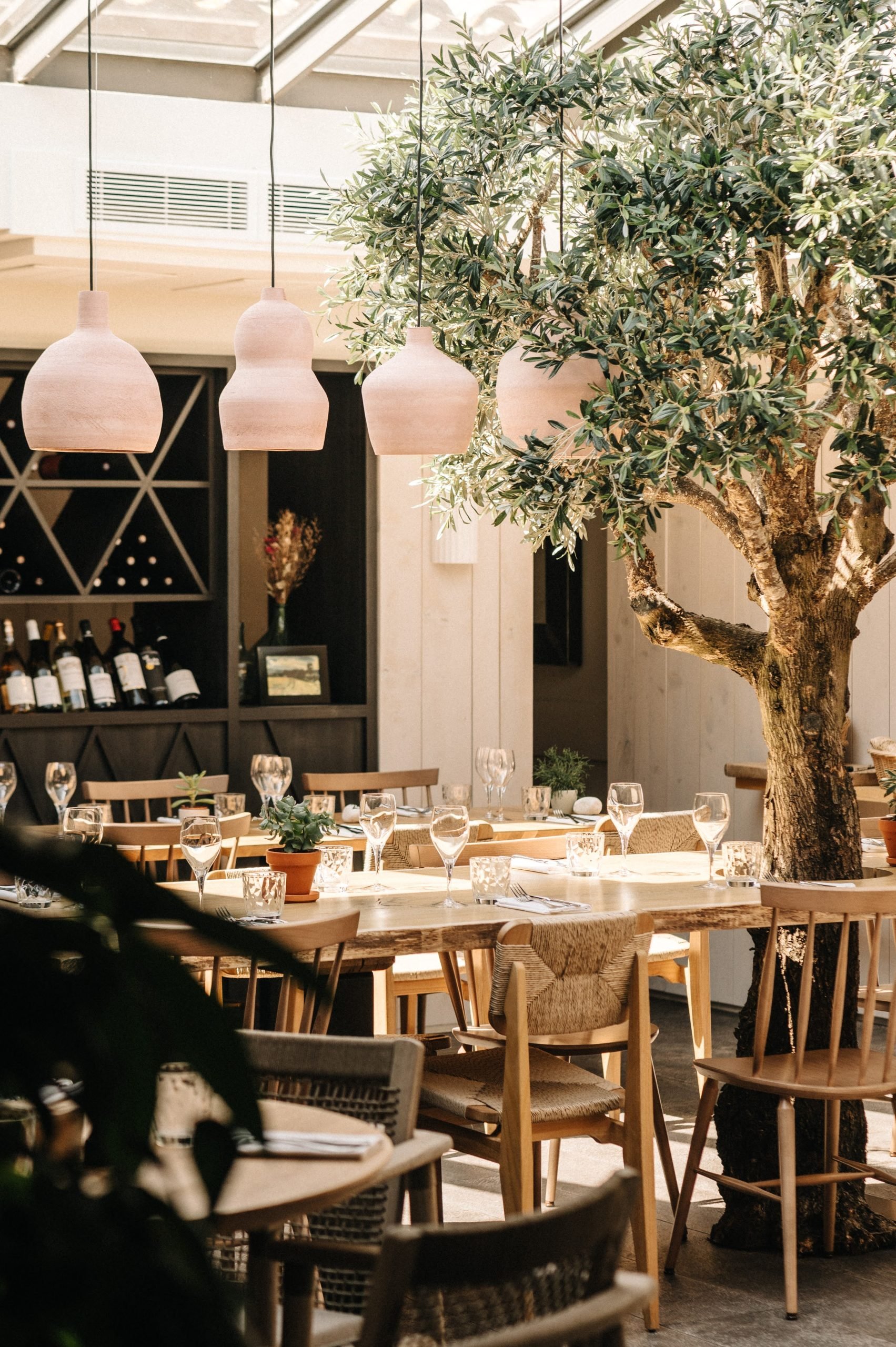
About Chez Christine
Chez Christine occupies a quietly significant address at 4 Rue de la Porte d'Aude, within the medieval walls of Carcassonne's Cité. The restaurant sits in a city where French provincial dining carries serious weight — cassoulet country, Languedoc wine, and centuries of table tradition pressing against the stone. For visitors moving through the region's dining circuit, it represents a ground-level engagement with local hospitality before the climb toward Michelin territory.
Eating Inside the Walls: What Carcassonne's Dining Ritual Looks Like
There is a particular rhythm to eating in a fortified medieval city. The Cité of Carcassonne — the UNESCO-listed walled upper town that draws visitors from across Europe — operates on a different pace from the Bastide Saint-Louis below. Restaurants here tend to run long lunches and early dinners, shaped partly by tourist flows and partly by a provincial French tradition that still treats the midday meal as the main event. Chez Christine, addressed at 4 Rue de la Porte d'Aude, sits inside these walls, and that address carries real implications for how the meal unfolds: the geography sets the tempo before a single dish arrives.
In this part of southern France, the dining ritual is shaped as much by what surrounds the table as what's on it. The Aude département sits at the meeting point of Atlantic and Mediterranean climatic influence, which historically produced a cuisine built on slow cooking, preserved meats, and pulses. Cassoulet , the bean and confit dish whose origins are contested between Castelnaudary, Carcassonne, and Toulouse , functions here less as a menu item and more as a regional identity marker. Any restaurant operating in Carcassonne is implicitly in conversation with that tradition, whether it chooses to engage with it directly or position itself against it.
Where Chez Christine Sits in Carcassonne's Dining Order
Carcassonne's restaurant scene divides fairly cleanly across two zones and several price tiers. At the high end, La Table de Franck Putelat operates in the €€€€ bracket with a modern cuisine program that references but does not defer to regional tradition. Inside the Cité itself, Comte Roger serves traditional cuisine at a more accessible €€ price point, while Auberge des Lices and Brasserie à 4 Temps represent the mid-tier with distinct format identities. Bloc G operates with a different sensibility again. Chez Christine occupies this field without the formal recognitions that define some of its neighbours, which places it in the category of restaurants that earn repeat visits through consistency rather than credential.
That positioning is neither a criticism nor an endorsement , it is a structural observation. In a city that receives significant tourist volume through the summer months, particularly from June through September, the Cité's restaurants face a dual audience: day visitors looking for a fast lunch and travellers who have come specifically for the medieval context and want the meal to match. The restaurants that sustain local reputations over time tend to be the ones that manage both audiences without becoming a caricature of either.
The Languedoc Table and Its Demands
Dining in this region makes certain demands on the kitchen that are worth understanding before you book. Languedoc cuisine is not light. The canonical dishes , cassoulet, confit duck, lamb from the garrigue, charcuterie from the Montagne Noire to the north , require long cooking, precise seasoning, and an honest relationship with fat. Restaurants that execute these well earn a different kind of respect from critics than those chasing refinement for its own sake. The comparison point is not Mirazur in Menton or Alléno Paris au Pavillon Ledoyen , it is the long-established regional standard held by houses like Bras in Laguiole or the Languedoc-rooted arms of the French provincial tradition more broadly.
The wines of the Aude and neighbouring appellations , Corbières, Minervois, Fitou, Limoux , are structurally suited to this food. Limoux, in particular, produces sparkling wine by the méthode ancestrale that predates Champagne's own carbonation methods by some accounts, and the region's reds carry enough tannin and dark fruit to hold their own against the cassoulet. A table in Carcassonne that does not engage with local wine is leaving a significant part of the regional argument unmade.
French Provincial Dining as a Format: Pacing and Etiquette
Across France's established provincial dining rooms, from Georges Blanc in Vonnas to Les Prés d'Eugénie in Eugénie-les-Bains and Auberge de l'Ill in Illhaeusern, the rhythm of service follows a consistent logic: unhurried, course-paced, and built around the assumption that eating together is an extended event rather than a transaction. This is not exclusive to the grand maisons. The tradition runs through small-town restaurants throughout southern France, where a two-hour lunch on a weekday is unremarkable and a rushed table-turn would register as a failure of hospitality.
Chez Christine operates in this cultural context. Even at the level of a neighbourhood restaurant within a walled tourist city, the expectation in France is that the meal has a beginning, a middle, and an end , that the bread arrives before the wine is chosen, that the cheese course is a real pause rather than an afterthought, and that the bill does not appear until it is called for. These customs are not performative; they are the operating system of French dining, and understanding them shifts the experience from passive consumption to active participation.
For visitors arriving from dining cultures that prize speed and transparency , where the menu is texted before arrival and the check is settled on an app , this format asks for a deliberate adjustment. The adjustment is worth making. The slower pace changes what you notice on the plate, in the glass, and across the table.
Planning a Visit to Chez Christine
Chez Christine is located at 4 Rue de la Porte d'Aude within the Cité, the upper walled city that requires either the climb from the lower Bastide or arrival by car through one of the fortified gates. The Cité is a working neighbourhood as well as a monument, and the restaurants within it are accessible year-round, though the high season from July through August brings the heaviest visitor pressure and makes advance planning sensible. For context on the broader dining circuit, our full Carcassonne restaurants guide maps the scene across both the Cité and the Bastide Saint-Louis. Those planning a wider Languedoc or Occitanie circuit might also reference La Table du Castellet in Le Castellet or Flocons de Sel in Megève for contrast in format and ambition across the southern French dining register. International reference points like Le Bernardin in New York City or Lazy Bear in San Francisco illustrate how far the French provincial dining model has travelled , and how differently it reads when relocated from its source geography. The meal at Chez Christine, whatever its specifics on any given day, is drawing from a tradition that those addresses are referencing from a distance. That proximity to origin is its own form of argument.
Frequently Asked Questions
What do people recommend at Chez Christine?
Given the restaurant's location in Carcassonne , the heart of cassoulet country , the regional cuisine of the Aude tends to be the draw for most visitors. The broader dining tradition in the Cité leans toward Languedoc staples: slow-cooked meat dishes, local charcuterie, and wine from appellations like Corbières and Minervois. Any table operating at this address is implicitly expected to engage with those traditions, and that expectation shapes what returns the most satisfaction. Consult our Carcassonne guide for context on how Chez Christine's offer compares to neighbours including Comte Roger and Auberge des Lices.
What is the leading way to book Chez Christine?
Current booking details for Chez Christine are not confirmed in our database. In Carcassonne's Cité, restaurants in the mid-tier , operating without the Michelin infrastructure of La Table de Franck Putelat , typically accept bookings by phone or walk-in, with advance contact recommended during the July-August peak season when the walled city's visitor numbers are at their highest. Arriving in shoulder season (May, June, or September) generally offers more flexibility without sacrificing the warmth of the southern French summer.
What do critics highlight about Chez Christine?
No formal critical record or award history for Chez Christine currently appears in the EP Club database. In a city where La Table de Franck Putelat holds the headline Michelin position and houses like Troisgros and Paul Bocuse's Auberge du Pont de Collonges define the French dining canon at national level, a restaurant without formal recognition is leading evaluated on its consistency within the local context rather than its absence from the wider critical conversation.
Is Chez Christine suitable for a long, multi-course lunch in the French provincial tradition?
The address inside Carcassonne's Cité and the broader dining culture of the Languedoc both support the expectation of an unhurried, multi-course meal rather than a quick service format. French provincial dining in this region , from the cassoulet belt of the Aude to the garrigue-influenced kitchens further east , is structured around extended table time, and restaurants within the Cité operate accordingly. If you are planning a serious sit-down lunch rather than a tourist-pace stop, arriving at midday and allowing two hours is consistent with local custom and will give the kitchen the space to serve the food as intended.
Related editorial
- Best Fine Dining Restaurants in ParisFrom three-Michelin-star icons to the next generation of Parisian chefs pushing boundaries, these are the restaurants that define fine dining in the world's culinary capital.
- Best Luxury Hotels in RomeFrom rooftop terraces overlooking ancient ruins to Michelin-starred hotel dining, these are the luxury hotels that make Rome unforgettable.
- Best Cocktail Bars in KyotoFrom sleek lounges to hidden speakeasies, Kyoto's cocktail scene blends Japanese precision with global influence in ways you won't find anywhere else.
Save or rate Chez Christine on Pearl
Keep this venue in your Pearl passport, rate it after you visit, and track it alongside every other place you collect.