
Restaurant in North Miami Beach, United States
Ceviche Inka Miami
100ptsPeruvian Coastal Sequence
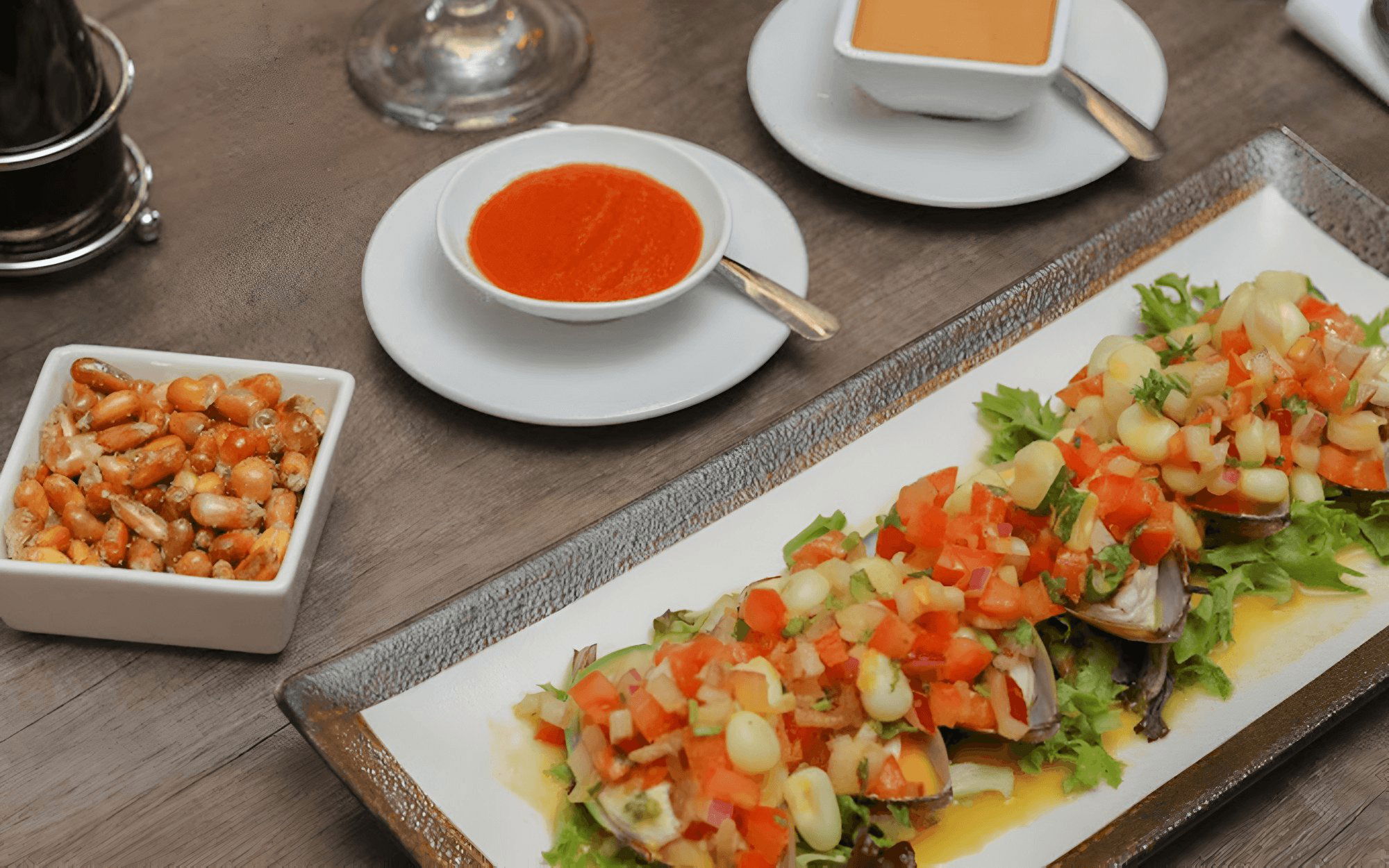
About Ceviche Inka Miami
Ceviche Inka Miami brings Peruvian coastal cooking to North Miami Beach's NE 163rd Street corridor, where Latin American dining traditions run deep and ceviche occupies a category of its own. The restaurant sits within a neighbourhood that has quietly become one of South Florida's most concentrated zones for South American cuisine, placing it alongside peers like Barra Callao and La Matera Kosher Argentinian Steakhouse in a genuinely plural dining district.
Where Peruvian Ritual Meets the North Miami Beach Table
North Miami Beach's NE 163rd Street corridor does not announce itself with the polish of Brickell or the pedestrian theatre of South Beach. What it offers instead is density: a stretch of Latin American kitchens where the cooking tends to be serious, the clientele local, and the dining conventions shaped by the cultural traditions the restaurants represent rather than by Miami's hospitality-industry defaults. Ceviche Inka Miami, at 3155 NE 163rd St, sits inside that ecosystem, and understanding it requires understanding what ceviche actually means in the Peruvian culinary canon before you arrive.
In Peru, ceviche is not an appetiser or a sharing plate deployed for variety. It is a meal format with its own pacing, its own internal logic, and its own set of expectations about what comes before and after. The leche de tigre, the citrus-forward curing liquid, is as much the point as the fish itself. The dish arrives at the table as a statement about acidity, freshness, and proportion rather than as a vehicle for protein. That ritual seriousness is what separates a cevichería operating in the Peruvian tradition from the broader category of Latin seafood restaurants, and it is the frame through which Ceviche Inka Miami should be read.
The Peruvian Dining Sequence and What to Expect
Peruvian restaurant culture carries a strong sense of meal architecture. Causas, the cold potato preparations layered with fillings, typically precede the ceviche course. Tiradito, the Japanese-influenced cousin of ceviche that arrived in Peru with Meiji-era migration, occupies a slightly different register, thinner-cut and with less lime intervention, and functions as a tonal counterpoint on a well-structured Peruvian table. The combination of Nikkei influences, Andean ingredients, and coastal seafood preparations gives Peruvian cuisine more structural complexity than most diners who approach it casually tend to expect.
North Miami Beach has enough South American dining density that these distinctions travel with the food. The neighbourhood has a significant Venezuelan, Colombian, and Peruvian residential base, which means the restaurants along this corridor are largely not calibrated for tourists encountering the cuisine for the first time. That demographic context matters when thinking about what a venue like Ceviche Inka Miami is optimising for: the regulars who understand the sequence and order accordingly, rather than guests who need the menu translated into a more familiar framework.
For anyone approaching Peruvian dining as a relative newcomer, the practical advice is to follow the internal logic of the menu rather than treating it as a standard seafood spread. Start with the cold preparations, let the acidity of the ceviche do its work as a palate-setting course, and consider the chicha morada or similar traditional drinks as functional accompaniments rather than afterthoughts. The meal has a tempo, and working with it produces a different experience than ordering at random.
The NE 163rd Street Dining Context
The corridor Ceviche Inka Miami occupies is worth mapping briefly, because it clarifies the peer set. Barra Callao operates in the same Peruvian dining register nearby, which means the neighbourhood supports genuine category comparison rather than isolated novelty. Boteco do Manolo - Miami brings Brazilian cooking into the mix, while Fuego by Mana and Gonzo's Kitchen extend the range further. La Matera Kosher Argentinian Steakhouse anchors the Argentine end of the South American spectrum. The cumulative effect is a district where Latin American cooking is the default register rather than a specialist niche, which raises the general level of category fluency among both cooks and diners.
This kind of concentrated culinary geography is relatively rare in South Florida outside of Little Havana and pockets of Doral. The NE 163rd corridor functions as a working neighbourhood dining district in a way that Wynwood or Design District restaurant clusters, which are more destination-oriented, do not. For the reader trying to understand where Ceviche Inka Miami fits, the honest answer is: inside a competitive and culturally specific peer group, not as an outlier.
For readers who cross-reference across American dining scenes, the register here is distant from the formal tasting-menu tradition represented by venues like Le Bernardin in New York City, The French Laundry in Napa, or Smyth in Chicago. Equally, it operates in a different mode from the farm-driven long-format experiences at Blue Hill at Stone Barns in Tarrytown or Single Thread Farm in Healdsburg. The value proposition here is cultural authenticity and neighbourhood pricing rather than tasting-menu ambition, which is a completely different and legitimate dining category. Places like Lazy Bear in San Francisco, Providence in Los Angeles, Addison in San Diego, Emeril's in New Orleans, The Inn at Little Washington in Washington, Atomix in New York City, and Atelier Moessmer Norbert Niederkofler in Brunico all represent the ceremony-and-tasting-menu end of the spectrum. Ceviche Inka Miami is not competing in that space, which is precisely the point: a neighbourhood cevichería that knows what it is and serves a community that knows what it wants is operating at its own kind of discipline.
Planning Your Visit
Ceviche Inka Miami is located at 3155 NE 163rd St, North Miami Beach, FL 33160, in a stretch of the corridor that is most easily reached by car, as public transit access along NE 163rd is limited. The address places it in a commercial strip rather than a pedestrian dining zone, so arriving with a sense of the neighbourhood's character rather than expecting a curated arrival experience is the appropriate mindset. Current hours, booking availability, and contact details are leading confirmed directly with the restaurant, as this information was not available at the time of publication. For a wider view of where Ceviche Inka Miami sits within the area's dining options, see our full North Miami Beach restaurants guide.
Frequently Asked Questions
What should I eat at Ceviche Inka Miami?
The menu is anchored in Peruvian coastal cooking, which means ceviche in its various forms is the central reference point. In the Peruvian tradition, a well-ordered meal typically moves through cold potato preparations or light starters before reaching the ceviche itself, where the quality of the leche de tigre and the freshness of the fish are the primary measures. If tiradito appears on the menu, it offers a useful point of comparison: lighter on acid, thinner-cut, and shaped by the Nikkei influence that distinguishes Lima's coastal cuisine from other Latin American seafood traditions.
Can I walk in to Ceviche Inka Miami?
North Miami Beach's neighbourhood cevicherías generally operate with a more informal booking culture than destination dining rooms in Brickell or the Design District. Walk-in availability is common at venues in this corridor, particularly during off-peak hours, though weekend evenings at popular spots in the area can fill quickly. Given that no booking method was confirmed in available data, checking directly with the restaurant ahead of a visit is the practical approach, particularly if arriving as a larger group.
What's the defining dish or idea at Ceviche Inka Miami?
Ceviche, taken seriously as a format rather than a starter, is the organising idea. Peruvian ceviche culture treats the dish as a complete meal sequence with its own internal grammar: the acid of the leche de tigre, the balance of heat from ají amarillo or rocoto, and the textural contrast between fish and choclo or cancha. A kitchen operating in that tradition is not simply offering marinated seafood but positioning within a specific culinary lineage that connects Lima's La Mar-style cevicherías to the Peruvian diaspora restaurants of South Florida.
How does Ceviche Inka Miami fit into North Miami Beach's South American dining scene?
North Miami Beach's NE 163rd corridor has developed into one of South Florida's more concentrated zones for South American cooking, with Peruvian, Brazilian, Argentine, and pan-Latin kitchens operating in close proximity. Ceviche Inka Miami occupies the Peruvian coastal end of that spectrum, sitting alongside peers like Barra Callao in a neighbourhood where the dining base is largely residential and culturally fluent rather than tourist-facing. That context places it in a category where the cooking is tested against community standards rather than hospitality-industry expectations, which is a meaningful distinction for anyone trying to gauge authenticity.
Related editorial
- Best Fine Dining Restaurants in ParisFrom three-Michelin-star icons to the next generation of Parisian chefs pushing boundaries, these are the restaurants that define fine dining in the world's culinary capital.
- Best Luxury Hotels in RomeFrom rooftop terraces overlooking ancient ruins to Michelin-starred hotel dining, these are the luxury hotels that make Rome unforgettable.
- Best Cocktail Bars in KyotoFrom sleek lounges to hidden speakeasies, Kyoto's cocktail scene blends Japanese precision with global influence in ways you won't find anywhere else.
Save or rate Ceviche Inka Miami on Pearl
Keep this venue in your Pearl passport, rate it after you visit, and track it alongside every other place you collect.