
Restaurant in Sint Gillis, Belgium
Café des Spores
100ptsSingle-Ingredient Menu Discipline
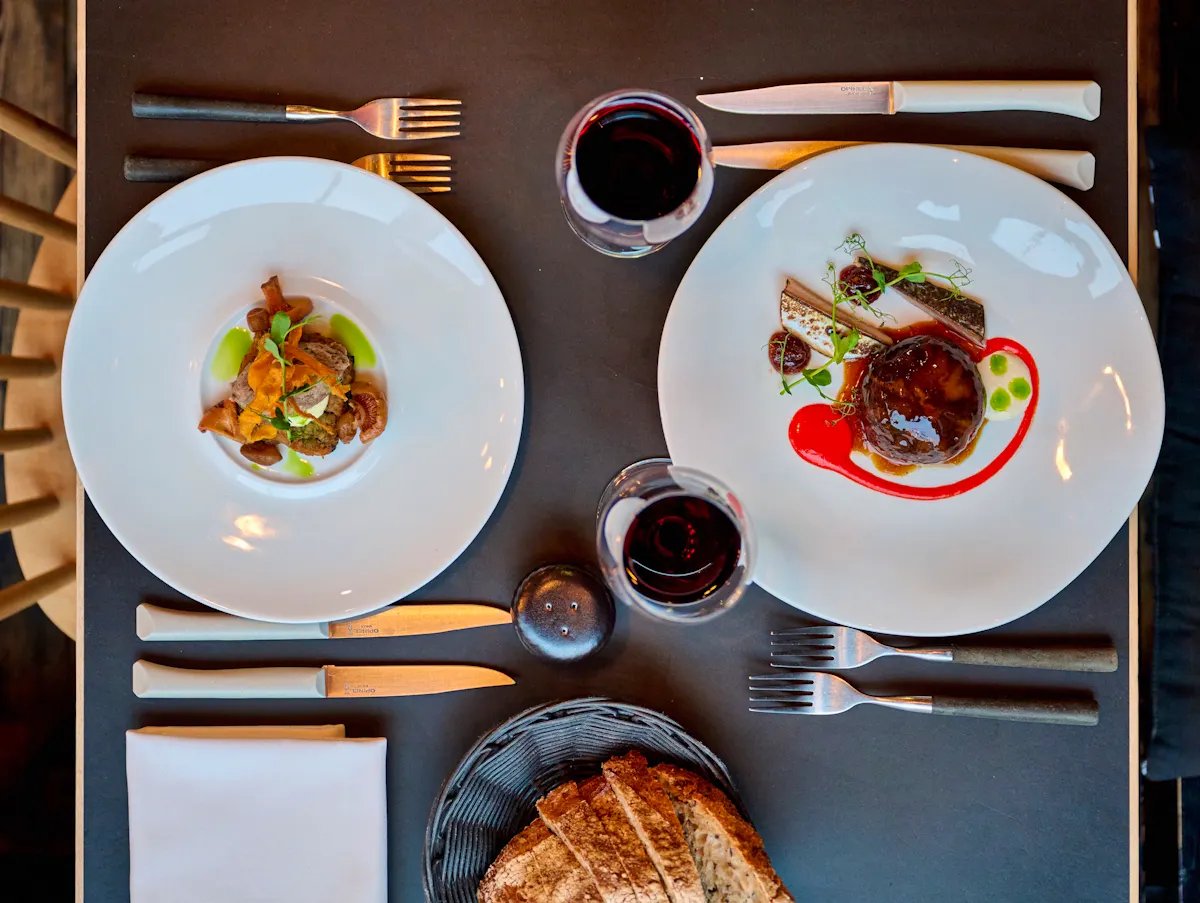
About Café des Spores
Café des Spores on the Chaussée d'Alsemberg in Sint-Gilles has built a reputation around one of Brussels' most focused single-ingredient menus: mushrooms, treated across every course with the discipline of a kitchen that understands fermentation, seasonality, and texture. The result is a dining room that reads as a study in restraint rather than novelty, making it one of the more genuinely specific addresses in the Belgian capital's casual-to-serious dining spectrum.
A Single Ingredient, Taken Seriously
Most restaurant menus hedge. They offer range as a form of reassurance, spreading across proteins, seasons, and dietary preferences to keep as many tables happy as possible. Café des Spores, on the Chaussée d'Alsemberg in Sint-Gilles, takes the opposite position. Its menu is built almost entirely around fungi, from the most recognisable cultivated varieties through to foraged and fermented forms that most kitchens treat as garnish rather than architecture. That narrowness is the point. When a kitchen commits to a single ingredient family across every course, it signals something about culinary confidence: either the team knows the subject thoroughly, or the concept collapses under scrutiny. By the evidence of Café des Spores' sustained presence on the Brussels dining circuit, it is the former.
Sint-Gilles itself frames this approach well. The commune sits just south of the Brussels pentagon, dense with Art Nouveau architecture and a restaurant mix that tilts toward neighbourhood bistros, natural wine bars, and a handful of more considered kitchens. The Chaussée d'Alsemberg runs through the middle of it, connecting the upper residential streets to the busier intersection near the Parvis de Saint-Gilles. Café des Spores sits at number 103, in a stretch that also supports addresses like Belle Lurette and Badi, both working within the same neighbourhood-restaurant register. The area does not attract the kind of destination diner who flies in for a table; it draws locals who eat out seriously and visitors who do their research. Café des Spores suits that audience precisely.
How the Menu Is Structured
The architecture of the Café des Spores menu is where the editorial interest concentrates. Fungal ingredients present a genuine structural challenge: they vary in texture from silky to fibrous, in flavour from delicate to deeply umami, and in their response to heat from almost instant collapse to slow, absorption-driven transformation. A menu that simply lists mushroom dishes in sequence would read as a gimmick. What makes Café des Spores coherent is that the kitchen appears to work the ingredient through contrasting preparations, so that each course expands the reader's understanding of what fungi can do rather than simply repeating the same flavour note in a different bowl.
This approach places the restaurant in a specific culinary tradition: ingredient-led tasting menus that use formal structure to make an argument rather than to showcase technique for its own sake. The format has precedents in kitchens operating at a different price and prestige tier, including Le Bernardin in New York City, which built its identity around seafood as a singular lens, and Lazy Bear in San Francisco, which uses communal tasting formats to impose editorial discipline on its menu. Café des Spores operates at a more accessible register, but the underlying logic is the same: constraint as a creative tool.
Within Belgium, the comparison set is instructive. Kitchens like Vrijmoed in Gent and Boury in Roeselare work with similar discipline around seasonal produce, though both operate within a classical fine-dining frame. Café des Spores is less formal in execution, which allows it to function as a neighbourhood restaurant without the ceremony that can make ingredient-led menus feel like lectures. That balance is harder to achieve than it appears.
The Sint-Gilles Context
Brussels' dining geography has been reshuffling for the better part of a decade. The city centre's grand brasseries and tourist-facing seafood restaurants still operate, but the more interesting editorial story has moved to the inner communes: Ixelles, Ixelles' Flagey quarter, Schaerbeek, and Sint-Gilles. The last of these has accumulated a cluster of kitchens that prioritise product and precision over décor and spectacle. COLONEL LOUISE, Crab Club, and Esencia each occupy a distinct lane in that cluster. Café des Spores holds a position that none of the others occupies: the specialist single-subject kitchen.
That position matters because Brussels has historically underinvested in this category. The city's gastronomic identity has been dominated by the moules-frites and chocolate economy on one end and by formally structured fine dining on the other, with Bozar Restaurant representing the latter tier with consistent critical attention. The middle ground, where serious cooking meets accessible pricing and neighbourhood atmosphere, has been slower to develop than in comparable European capitals. Café des Spores belongs to the cohort of addresses filling that space. See our full Sint-Gilles restaurants guide for a broader map of where the commune sits in Brussels' current dining geography.
What the Format Implies About the Kitchen
A fungi-only menu imposes supply chain discipline that a conventional menu does not. Sourcing across mushroom varieties, particularly when the menu reaches into foraged or rare cultivated types, requires relationships with specialist suppliers and a willingness to revise dishes when supply changes. This is not unusual at the highest end of the Belgian table: kitchens like Hof van Cleve in Kruishoutem and Zilte in Antwerp have built their reputations in part on supply-chain rigour. At Café des Spores, the same logic applies at a different scale: the menu's coherence depends on the kitchen's ability to work with what is genuinely available, which means the menu almost certainly changes more frequently than a printed card would suggest.
This is also why seasonal timing matters for a visit. The European fungi calendar runs roughly from late summer through early winter, with peak diversity in autumn when foraged varieties are most available. A visit during October or November will likely encounter the broadest range of ingredients. A spring or summer visit may lean more heavily on cultivated varieties, which is not a lesser experience but is a different one.
Planning a Visit
Café des Spores is located at Chaussée d'Alsemberg 103, 1060 Saint-Gilles. The address is reachable from central Brussels by tram, with lines running along the outer edge of Sint-Gilles connecting to major interchange points. Given the kitchen's specialist nature and the neighbourhood's broader appeal, booking ahead is advisable, particularly for weekend evenings when the Chaussée d'Alsemberg draws a consistent local crowd. Specific reservation, hours, and pricing details are leading confirmed directly with the restaurant before visiting, as these are subject to change with the menu cycle. Diners with specific dietary requirements, including allergies, should communicate these clearly at the time of booking rather than on arrival; a menu built around a single ingredient family requires the kitchen to adapt in advance rather than on the fly.
For those building a broader Belgian itinerary around serious eating, the country's kitchen geography extends well beyond Brussels. Addresses like Willem Hiele in Oudenburg, La Durée in Izegem, d'Eugénie à Emilie in Baudour, Cuchara in Lommel, and Ralf Berendsen in Neerharen each represent a different facet of how Belgian kitchens are working at the moment. Café des Spores sits within that national conversation, occupying the specific position of the committed specialist in a city that is still learning to make room for them.
Frequently Asked Questions
- What should I order at Café des Spores?
- The menu at Café des Spores is structured around fungi across multiple courses, so the most productive approach is to order the full menu rather than selecting individual dishes. The kitchen's argument is cumulative: each course is intended to extend what came before, and ordering selectively works against the logic the kitchen has built into the sequence. If the menu offers any choice between preparations, the fermented or longer-aged options will generally reflect more kitchen investment than the simpler dishes.
- Is Café des Spores reservation-only?
- Given its neighbourhood positioning in Sint-Gilles and its specialist reputation, Café des Spores draws a consistent and often informed crowd, particularly at weekends. Walk-in availability cannot be assumed. Booking in advance is the practical approach, and the reservation window required will vary with the season: autumn visits, when the menu is at its most diverse, typically require more lead time than quieter midweek slots in other seasons. Confirm booking conditions directly with the restaurant.
- What's the standout thing about Café des Spores?
- The menu's structural commitment to a single ingredient family is the defining characteristic. Fungi-only tasting menus are rare in Brussels and in Belgium more broadly; most kitchens treat mushrooms as a seasonal supporting element rather than a full menu architecture. The sustained reputation Café des Spores has built within the Sint-Gilles dining cluster suggests the kitchen has made the concept work at a level of consistency that novelty alone could not sustain.
- Do they accommodate allergies at Café des Spores?
- Any allergy or dietary requirement should be communicated when booking, not on arrival. A menu built almost entirely around one ingredient family, with preparations that may include fermented, aged, or compound elements, requires the kitchen to plan adaptations in advance. For the most accurate and current information, contact the restaurant directly through their listed address at Chaussée d'Alsemberg 103, 1060 Saint-Gilles.
- Is Café des Spores worth the price?
- The value question at a specialist single-subject kitchen is different from the one you ask at a conventional restaurant. You are not paying for range; you are paying for depth and expertise within a narrow brief. If that trade-off suits your approach to dining, the quality of thinking in the menu architecture justifies the price. If you prefer breadth and choice, the kitchen's concept will feel limiting regardless of execution. The sustained presence of Café des Spores in Sint-Gilles' serious restaurant conversation is a reasonable indicator that the kitchen is delivering on its promise consistently.
- How does Café des Spores fit into Belgium's broader fungi and fermentation dining scene?
- Belgium has a strong tradition of incorporating preserved, aged, and fermented ingredients across its regional cuisines, but dedicated fungi-forward restaurants remain a small niche. Café des Spores occupies an unusual position in that it applies the discipline of a specialist tasting-menu kitchen to an ingredient category most often associated with bistro cooking. Within the national dining conversation, which includes kitchens like Vrijmoed in Gent exploring vegetable-led menus at a fine-dining register, Café des Spores represents a distinct approach: lower formality, higher specificity, and a menu built to educate as much as to satisfy.
Related editorial
- Best Fine Dining Restaurants in ParisFrom three-Michelin-star icons to the next generation of Parisian chefs pushing boundaries, these are the restaurants that define fine dining in the world's culinary capital.
- Best Luxury Hotels in RomeFrom rooftop terraces overlooking ancient ruins to Michelin-starred hotel dining, these are the luxury hotels that make Rome unforgettable.
- Best Cocktail Bars in KyotoFrom sleek lounges to hidden speakeasies, Kyoto's cocktail scene blends Japanese precision with global influence in ways you won't find anywhere else.
Save or rate Café des Spores on Pearl
Keep this venue in your Pearl passport, rate it after you visit, and track it alongside every other place you collect.