
Restaurant in New York City, United States
Baekjeong
100ptsTableside Charcoal BBQ

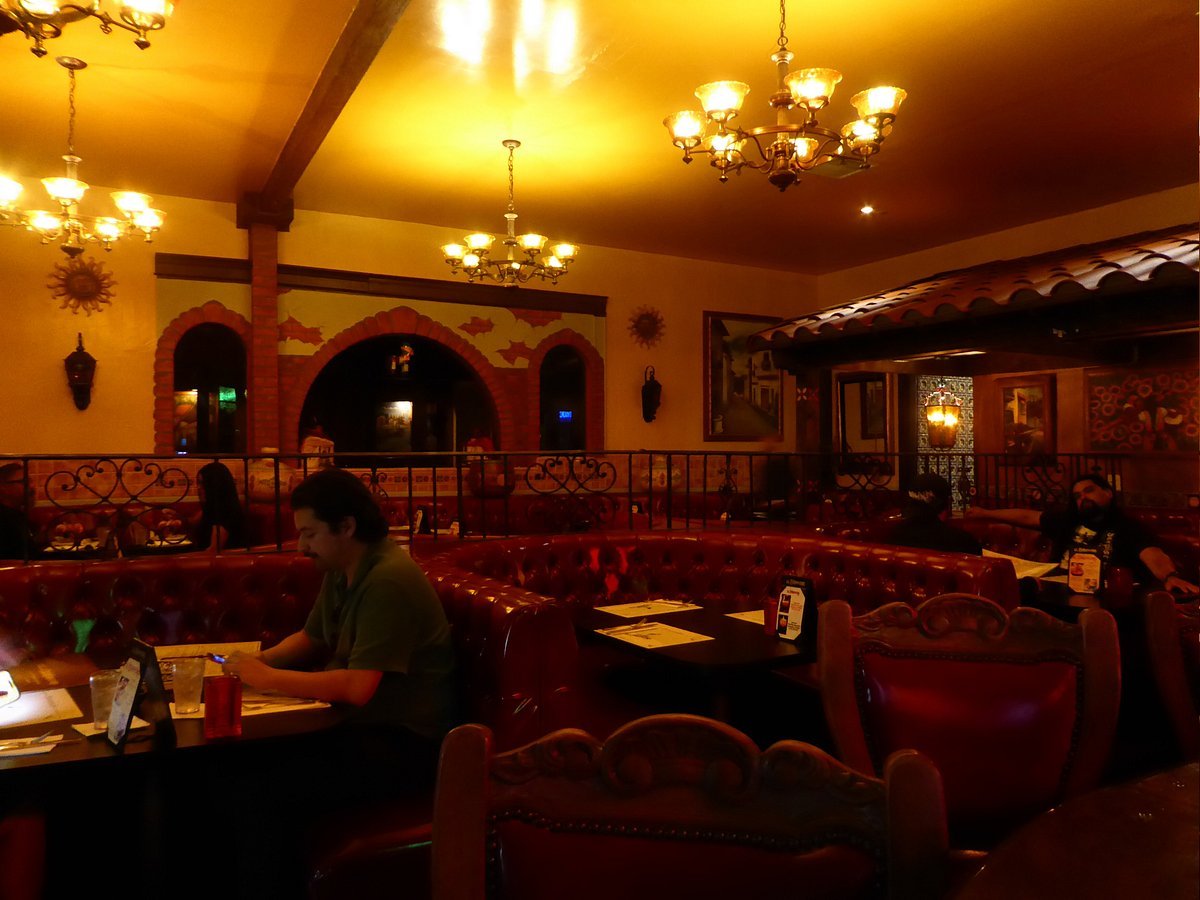
About Baekjeong
Baekjeong on West 32nd Street sits at the heart of Koreatown's Korean BBQ corridor, drawing a loyal crowd with table-side charcoal grills and the kind of communal eating that defines the format. Recognised by Opinionated About Dining in 2023, it holds a 4.6 Google rating across 136 reviews and represents the accessible, high-energy end of K-Town's BBQ spectrum.
Koreatown's Grill Corridor and Where Baekjeong Fits
West 32nd Street between Fifth and Sixth Avenues operates as New York's most concentrated strip of Korean dining, and within that corridor the Korean BBQ format runs the full range from no-frills lunch counters to white-tablecloth galbi rooms. Baekjeong at 49 W 32nd St occupies a particular position in that spectrum: a high-energy, table-grill operation aimed at the communal, smoke-filled end of the format rather than the composed, tasting-menu tier represented by spots like Hyun. That distinction matters. K-Town's BBQ scene is not monolithic, and choosing a room here is really a choice about what kind of meal you want.
The broader Koreatown dining context also includes Jongro BBQ, NUBIANI, and Won Jo, each placing itself slightly differently along that accessibility-to-precision axis. Baekjeong draws from the same gene pool as the Los Angeles original, Kang Ho-Dong Baekjeong, which has long been a reference point on the West Coast for the format done at volume and with personality.
The Street Food Roots Behind the Smoke
Korean BBQ as a sit-down format has its roots in the outdoor and market-stall tradition that shaped how Koreans eat in public spaces. The same impulse that draws people to pojangmacha stalls for grilled meat on skewers, or to night-market tteokbokki vendors ladling rice cakes in gochujang broth, is alive in the table-grill restaurant. The format is social before it is gastronomic: the grill is shared, the banchan arrive collectively, and the meal is assembled and negotiated at the table rather than delivered fully composed from the kitchen.
That lineage is worth keeping in mind when sitting down at Baekjeong. The smoke, the noise, and the pace are not incidental to the experience — they are the experience, translated from the market stall into a restaurant format that has found a devoted audience in cities far from Seoul. Compared to a venue like Yoon Haeundae Galbi, which skews toward a more considered, regional Korean approach, Baekjeong leans into the accessible, democratic energy that defined Korean BBQ's street-level origins.
The parallel in Los Angeles is instructive. Soowon Galbi in K-Town LA represents a quieter, more austere take on the same format. The contrast between the two cities' interpretations of Korean BBQ says something real about how the tradition travels and adapts: New York's version tends to be louder and more theatrical, shaped by the density and pace of Midtown.
Recognition and Where It Sits in the Critical Record
Korean BBQ rarely intersects with the awards infrastructure that rewards fine dining. Michelin's New York guide skews toward the tasting-menu and omakase tier — venues like Atomix, which holds two Michelin stars for its modern Korean format, or the three-star French rooms at Le Bernardin, Per Se, and Eleven Madison Park. The casual Korean BBQ format operates in a different critical register, which makes Opinionated About Dining's inclusion of Baekjeong in its 2023 Casual in North America Recommended list meaningful. OAD's methodology depends on aggregated votes from serious diners rather than anonymous inspectors, and a recommendation at the casual level signals consistent execution recognised by a community that eats widely and critically.
The 4.6 Google rating across 136 reviews reinforces that picture: a floor of consistent quality rather than occasional brilliance. For a format where execution at volume is the challenge, that consistency matters more than the occasional exceptional plate. For reference, the fine dining tier in New York that draws the deepest critical attention includes destinations like Alinea in Chicago, The French Laundry in Napa, and Lazy Bear in San Francisco , all operating in a completely different framework. Baekjeong's recognition lands in the correct tier for what it is doing, which is worth stating plainly.
The Koreatown Experience in Context
New York's Koreatown, concentrated on a single block of 32nd Street, functions more as a dining and nightlife corridor than a residential neighbourhood. It draws Korean diaspora, tourists, and a cross-section of the city's eating public that has made Korean BBQ a mainstream format rather than a specialist interest. That shift, which has been gradual over two decades, has pushed Korean BBQ up the price ladder at the premium end while the mid-tier venues have held their position through volume and consistency.
Baekjeong sits squarely in the mid-tier of that market. It is not pitching against the polished service and premium cuts at Hyun, nor is it operating as a budget option. The address, the format, and the OAD recognition place it in a competitive set that includes Jongro BBQ and NUBIANI, all drawing from the same Koreatown foot traffic and competing on quality of meat, banchan variety, and the energy of the room.
The broader New York dining context extends well beyond this corridor. Emeril's in New Orleans and Providence in Los Angeles represent the kind of anchored, chef-driven dining that defines other American cities' premium tiers. In New York, that tier is particularly dense, which means the casual Korean BBQ format has to compete for attention against extraordinary alternatives , and still draws long queues on weekend evenings.
Planning a Visit
Baekjeong is located at 49 W 32nd St in the heart of Koreatown, within a short walk of Penn Station and Herald Square. For visitors to New York, the surrounding area is well covered in our full New York City restaurants guide, alongside recommendations for hotels, bars, wineries, and experiences across the city. Walk-ins are possible, but weekend evenings on 32nd Street draw significant queues across the strip; arriving before 6:30pm or after 9pm will typically reduce wait times. Phone and website details are not published in the current record, so checking Google Maps directly for current hours and any reservation options is the practical approach before a visit.
Frequently Asked Questions
What's the leading thing to order at Baekjeong?
The database record for Baekjeong does not include specific menu or dish details, so naming individual cuts would be speculation. What the Korean BBQ format at this level typically centres on is marinated short rib (galbi) and thinly sliced brisket (chadolbaegi), cooked at the table and eaten with the full rotation of banchan that arrives alongside. The OAD 2023 Casual recognition and the 4.6 Google rating suggest consistent execution across the core menu. For a more composed, single-cut experience, Hyun in the same city operates at a different tier.
Should I book Baekjeong in advance?
Koreatown's BBQ corridor is among the busiest dining blocks in Midtown, and Baekjeong draws consistent foot traffic as a mid-tier, OAD-recognised option on West 32nd Street. The current database record does not list a booking method, phone, or website, which suggests the operation may rely primarily on walk-in traffic. Arriving outside peak hours , particularly on weekdays or early evenings , is the practical strategy. Checking Google Maps for any updated booking options before your visit is advisable given how quickly operational details change in this district.
What makes Baekjeong worth seeking out?
Among Koreatown's Korean BBQ options, Baekjeong carries an Opinionated About Dining 2023 Casual in North America Recommended citation and a 4.6 Google rating, both pointing to consistent quality at the accessible end of the format. The Korean BBQ tradition it draws from, rooted in communal market eating rather than composed fine dining, is executed here at volume without sacrificing the core elements , smoke, shared grilling, and the rhythm of banchan. For readers weighing their Koreatown options, Won Jo and Jongro BBQ sit in a comparable tier and offer useful points of comparison.
Recognized By

More restaurants in New York City
- Le BernardinLe Bernardin is one of the most consistently awarded seafood restaurants in the world — three Michelin stars, 99.5 points from La Liste, and four New York Times stars held for over 30 years. At $157 for four courses at dinner ($225 for the tasting menu), it is the right call for a formal occasion or a serious seafood meal in Midtown Manhattan, provided you book well in advance.
- AtomixAtomix is the No. 1 restaurant in North America (50 Best, 2025) and one of the hardest reservations in New York: 14 seats, one seating per night, three Michelin stars. Junghyun and Ellia Park's Korean tasting menu pairs precision-sourced ingredients with Korean culinary heritage, explained course by course through hand-designed cards. Book months ahead or plan around a cancellation.
- Eleven Madison ParkEleven Madison Park is the definitive case for plant-based fine dining in New York City: three Michelin stars, a 22,000-bottle wine cellar, and an eight-to-ten course tasting menu in a landmark Art Deco room. Book it for a special occasion with a plant-forward appetite and three hours to spare. Reservations open on the 1st of each month and go within hours.
- Jungsik New YorkJungsik is the restaurant that put progressive Korean fine dining on the New York map, and over a decade in, it still holds that position. With two Michelin stars, a 2025 James Beard Award for Outstanding Chef, and a seasonally rotating nine-course tasting menu in a quietly formal Tribeca room, it earns its $$$$ price point for special occasions and serious dining. Book well in advance.
- DanielDaniel is the benchmark for classic French fine dining in New York: three Michelin stars, a 10,000-bottle cellar, and formal Upper East Side service that has stayed consistent for over 30 years. Book four to six weeks out minimum. At $$$$, it is a genuine special-occasion restaurant, but the wine program alone — 2,000 selections with particular depth in Burgundy and Bordeaux — makes it the strongest wine-and-food pairing destination in its category.
- Per SePer Se is one of New York's two or three most complete special-occasion restaurants: three Michelin stars, Central Park views, and two nine-course tasting menus that change daily at $425 per person. Book exactly one month out — the window fills fast. The salon accepts walk-ins for à la carte if you miss the main dining room.
Related editorial
- Asia's 50 Best Restaurants 2026: The Chairman and Wing Go 1-2 from the Same BuildingThe Chairman takes No. 1 and Wing climbs to No. 2 at Asia's 50 Best Restaurants 2026. Both operate from the same Hong Kong building. Here's what it means.
- Four Seasons Yachts Debut: 95 Suites, 11 Restaurants, and a March 2026 Maiden VoyageFour Seasons I launches March 20, 2026, with 95 suites, a one-to-one staff ratio, and 11 onboard restaurants. Worth tracking if you want hotel-grade service at sea.
- LA Michelin Guide 2026: Seven New Restaurants from Tlayudas to Uzbek DumplingsMichelin's March 2026 California Guide update adds six LA restaurants and one Montecito newcomer, spanning Oaxacan tlayudas, Uzbek manti, and Korean-Italian pasta.
Save or rate Baekjeong on Pearl
Keep this venue in your Pearl passport, rate it after you visit, and track it alongside every other place you collect.