
Restaurant in Flowery Branch, United States
Antebellum
100ptsNorth Georgia Farm Table
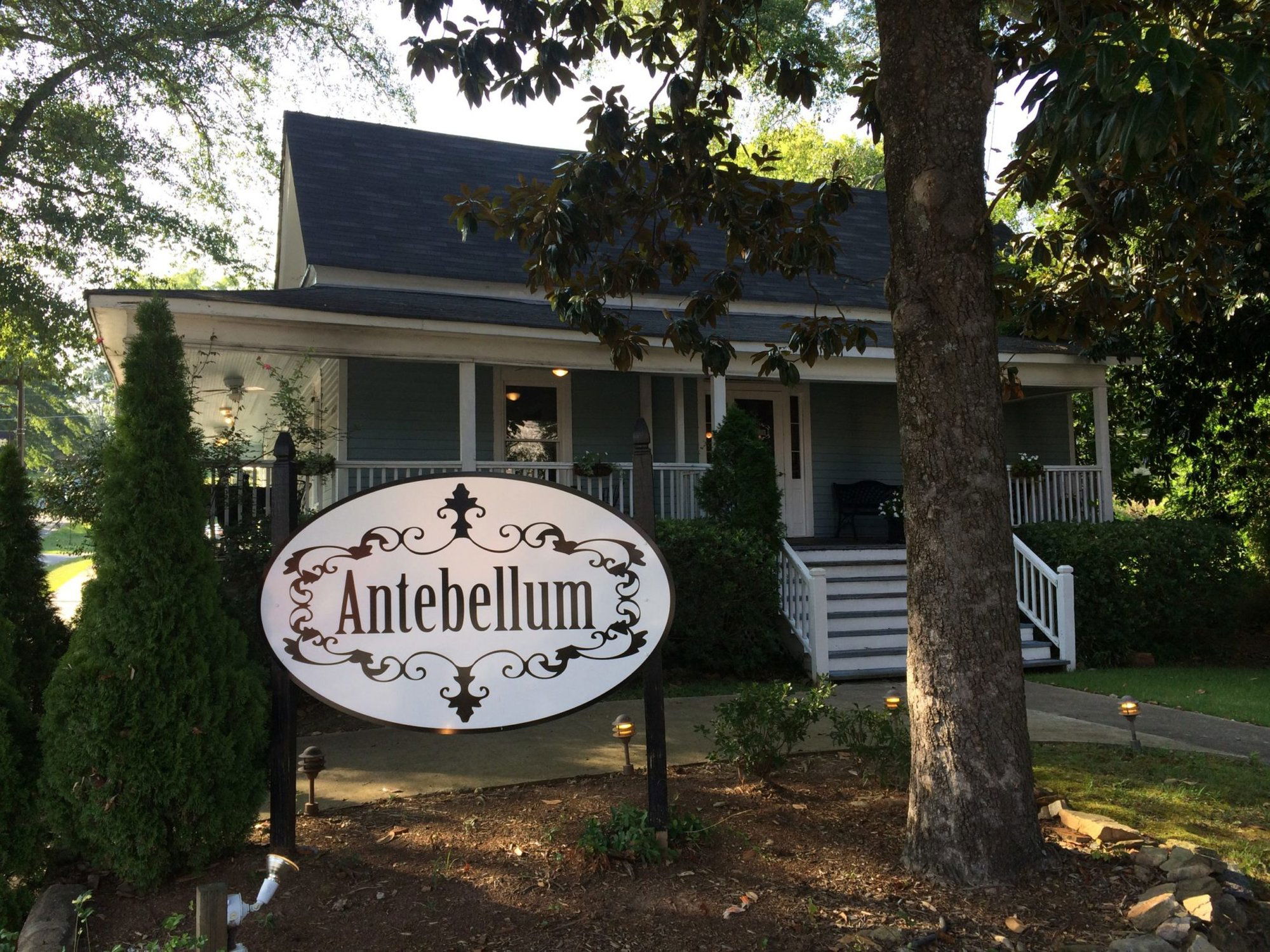
About Antebellum
A stylish, casual restaurant with a farm-to-table
Church Street, Flowery Branch: Where Southern Provenance Meets the Dining Table
Church Street in Flowery Branch has the quality that defines the most interesting dining corridors in small-town Georgia: a sense of place so specific it shapes what ends up on the plate. The address alone, 5510 Church St, places Antebellum inside a historic district where the built environment and the culinary conversation tend to reinforce each other. In the American South, that relationship between place and food has always been more than decorative. The sourcing traditions that defined antebellum-era kitchens — preserved vegetables, cured meats, field-to-table grain — form the backbone of a regional cooking identity that serious restaurants now consciously invoke.
Across the country, a generation of chefs at restaurants like Blue Hill at Stone Barns in Tarrytown and Single Thread Farm in Healdsburg have reoriented fine dining around provenance: where an ingredient was grown, who grew it, and how close it traveled before reaching the kitchen. That framework, once associated primarily with the coastal fine-dining circuit, has quietly taken root in towns like Flowery Branch, where the agricultural geography of North Georgia gives local kitchens genuine access to ingredients with traceable, short-chain provenance.
The Sourcing Argument in North Georgia
Hall County and the surrounding foothills sit inside one of the more productive small-farm belts in the Southeast. The corridor connecting Gainesville to Flowery Branch along Lake Lanier's eastern shore has seen a steady accumulation of market gardeners, heritage-breed livestock operations, and small-scale orchardists over the past two decades. For a restaurant committed to ingredient-led cooking, that geography is an asset that urban kitchens in Atlanta pay a premium to replicate through logistics.
The sourcing argument matters because it changes what seasonal cooking actually means. At destination-scale operations like Smyth in Chicago or The French Laundry in Napa, the supply chain is engineered at significant cost. In a market like Flowery Branch, the distance from producer to kitchen can be genuinely short , not as a marketing claim, but as a structural reality. That proximity, when a kitchen takes advantage of it, translates into ingredients used closer to harvest and proteins processed without extended cold-chain transit.
The name Antebellum itself points toward this conversation. It invokes the pre-industrial Southern kitchen as a reference point: a time when preservation techniques, seasonal rhythms, and hyper-local ingredients were practical necessities rather than editorial choices. Restaurants that take that history seriously use it as a lens on technique, not just aesthetics. Pickling, smoking, curing, and rendering , methods that define traditional Southern cooking , map directly onto the ingredient-preservation traditions that contemporary kitchens in the farm-to-table tier have rediscovered. Restaurants like Emeril's in New Orleans have long demonstrated how Southern culinary heritage, handled with care and precision, carries genuine depth when treated as a living tradition rather than a nostalgic backdrop.
Flowery Branch in the Wider Dining Picture
Flowery Branch sits roughly 45 miles northeast of Atlanta, close enough to draw from the city's food-literate dining public but far enough to operate outside Atlanta's competitive restaurant density. That positioning gives a well-run independent restaurant a distinctive advantage: it becomes a destination by default for diners making a deliberate trip rather than a convenience choice. Restaurants in similar market positions , small towns adjacent to major metros, with a strong sense of local identity , tend to develop loyal, repeat dining bases faster than urban venues competing across a broader peer set.
The town's existing dining options reflect the full range of that market. Big Burritos Mexican Grill and Moonie's Texas BBQ anchor the casual, value-oriented tier that serves the everyday local market. 4 Elephants extends the range into Asian-influenced formats. Antebellum occupies a different register , a Southern-focused concept with a name that signals deliberate engagement with regional culinary history and, by implication, a higher level of editorial intent in how ingredients are sourced and presented.
For a broader sense of what Flowery Branch's dining scene looks like across price points and formats, the full Flowery Branch restaurants guide maps the options in useful detail.
How Antebellum Fits the Provenance Tier
The leading evidence for where a restaurant sits in its local market comes from its context rather than its claims. Antebellum's location on Church Street, in the heart of Flowery Branch's historic district, positions it physically and conceptually alongside the town's sense of heritage identity. That setting rewards a kitchen that uses provenance as a genuine organizing principle rather than a label.
Restaurants working at this level of ingredient focus nationally include operations like Addison in San Diego, Providence in Los Angeles, and The Inn at Little Washington in Virginia , each grounded in a specific regional pantry that defines the menu's range. Closer to the adventurous edge of farm-integration, Lazy Bear in San Francisco and The Wolf's Tailor in Denver demonstrate how a small-format operation can build serious culinary credibility through consistent sourcing discipline. The format and ambition at those addresses sets a useful reference bar for evaluating any restaurant with provenance-forward positioning.
In the international register, kitchens like Atelier Moessmer Norbert Niederkofler in Brunico and Frasca Food & Wine in Boulder show how regional specificity , taken seriously at the sourcing level , produces cooking with a distinct identity that national or global ingredient programs cannot replicate. Le Bernardin in New York City and Atomix in New York City occupy different ends of the provenance-to-technique spectrum, but both illustrate how ingredient integrity operates as a foundation rather than a finishing detail.
Planning a Visit
Antebellum is located at 5510 Church St, Flowery Branch, GA 30542, in the town's historic district, accessible from Atlanta via I-985 North. As a smaller independent restaurant in a destination-adjacent market, it warrants contacting the venue directly to confirm current hours and reservation availability before making the drive from Atlanta or the surrounding Hall County area. Timing a visit for mid-week can reduce wait times at popular independent restaurants in this tier, while weekends tend to draw a stronger out-of-town dining crowd, particularly from the Lake Lanier corridor.
Frequently Asked Questions
- What is the signature dish at Antebellum?
- Specific menu details for Antebellum are not publicly documented in available sources at this time. Given the restaurant's name and Church Street location in Flowery Branch's historic district, the kitchen's editorial direction appears to engage with Southern culinary heritage and regional ingredient sourcing. For current menu information, contacting the restaurant directly is the most reliable approach. Comparable provenance-focused Southern kitchens often anchor their menus around preserved, cured, or seasonal preparations tied to local agricultural calendars.
- Should I book Antebellum in advance?
- As an independent restaurant operating in a small-town market with a destination-dining component, Antebellum is worth reserving ahead of time, particularly for weekend visits. Flowery Branch draws diners from the Atlanta metro and the Lake Lanier area, which compresses demand at the town's better-regarded restaurants on Fridays and Saturdays. Calling or checking the restaurant's current booking method before visiting is advisable, especially for groups of three or more.
- What makes Antebellum different from other Flowery Branch restaurants?
- Among Flowery Branch's dining options, Antebellum occupies a distinct position through its engagement with Southern culinary heritage and, by implication, ingredient sourcing from the North Georgia agricultural region. While neighbors like Moonie's Texas BBQ and Big Burritos Mexican Grill serve the casual everyday market, Antebellum's name and historic-district address signal a different level of editorial intent. For diners making a deliberate trip from Atlanta or Gainesville, that positioning places it in a different conversation from convenience-tier local dining.
Related editorial
- Asia's 50 Best Restaurants 2026: The Chairman and Wing Go 1-2 from the Same BuildingThe Chairman takes No. 1 and Wing climbs to No. 2 at Asia's 50 Best Restaurants 2026. Both operate from the same Hong Kong building. Here's what it means.
- Four Seasons Yachts Debut: 95 Suites, 11 Restaurants, and a March 2026 Maiden VoyageFour Seasons I launches March 20, 2026, with 95 suites, a one-to-one staff ratio, and 11 onboard restaurants. Worth tracking if you want hotel-grade service at sea.
- LA Michelin Guide 2026: Seven New Restaurants from Tlayudas to Uzbek DumplingsMichelin's March 2026 California Guide update adds six LA restaurants and one Montecito newcomer, spanning Oaxacan tlayudas, Uzbek manti, and Korean-Italian pasta.
Save or rate Antebellum on Pearl
Keep this venue in your Pearl passport, rate it after you visit, and track it alongside every other place you collect.