
Restaurant in Canberra, Australia
Amara Indian Restaurant
100ptsNorthbourne Avenue Indian
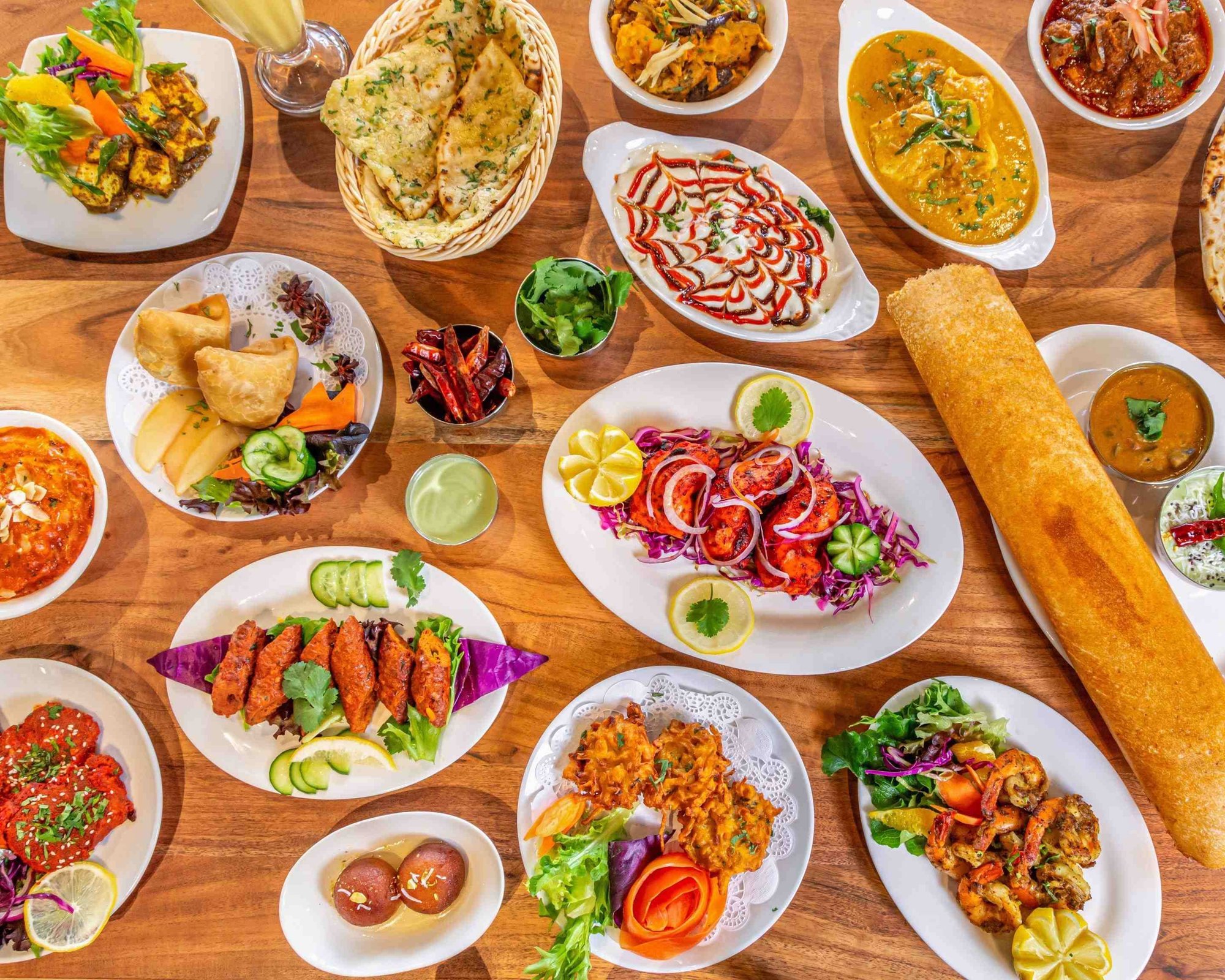
About Amara Indian Restaurant
On Northbourne Avenue, Canberra's main civic spine, Amara Indian Restaurant occupies a straightforward address that belies the seriousness of the kitchen. Indian cooking in the capital has moved beyond the generic curry-house template, and Amara sits within that more considered tier, drawing on subcontinent sourcing traditions that give regional dishes their actual character.
Northbourne Avenue and the Case for Serious Indian Cooking in Canberra
Northbourne Avenue is not Canberra's most atmospheric address. It is the city's functional throughway, lined with civic offices, mid-century apartments, and the kind of buildings that prioritise utility over charm. What that strip does offer, however, is accessibility: it sits at the northern edge of the CBD, a short walk from the city interchange, and it has accumulated a quiet density of restaurants that serve a working and residential population rather than a tourist one. Amara Indian Restaurant, at 51-53 Northbourne Ave, operates in that context. The surrounding area rewards restaurants that earn regular custom through consistency rather than novelty, and Indian cuisine, with its depth of regional variation and ingredient-led complexity, is well-suited to that model.
Canberra's Indian dining scene has shifted over the past decade. The generic subcontinental template, which once dominated most Australian capitals, has given way to a more differentiated set of offerings. Places like Champi Restaurant and Delhi to Canberra Indian Restaurant represent different registers of that shift, the former leaning into a tighter, more personal format, the latter drawing its identity explicitly from a regional source. Gravy N More occupies a more casual, volume-driven tier. Amara sits within this spread, at an address that suggests it is built for staying power rather than transient attention.
Why Sourcing Defines the Quality Gap in Indian Restaurants
The difference between functional Indian cooking and the kind that holds up over repeat visits almost always comes down to ingredient sourcing. Spice quality is the first variable. Whole spices sourced from named growing regions, toasted and ground to order, produce a different aromatic profile than pre-blended commercial powders. The difference is not subtle: freshly ground cardamom from Kerala's Idukki district, for instance, carries a volatile oil intensity that fades quickly after grinding, and the distinction is immediately apparent in a dal or a biryani rice. Australian Indian restaurants that have closed the quality gap with their London or New York counterparts have done so primarily by taking that sourcing step seriously.
The second variable is proteins and produce. Australia's position as a high-quality producer of lamb, chicken, and dairy means that the base ingredients for the most common Indian preparations are genuinely good here, sometimes better than what is available in major Indian cities, where cold-chain logistics remain inconsistent. The structural irony of Australian Indian cooking is that the proteins can be excellent while the spice sourcing is sometimes the weak point. Restaurants that solve both sides of that equation are operating in a different tier to those that solve only one.
This context applies directly to what distinguishes the more considered Indian restaurants on the Canberra circuit. The capital's proximity to the Southern Tablelands and the ACT's own small-producer network means that lamb and seasonal vegetables are available at a quality that rewards cooking techniques built around them. Indian cooking's ability to handle strong cuts through long braise times, or to pair bitter greens with tamarind and mustard seed, makes it a natural fit for what regional Australian producers actually supply well.
The Address in the Context of Canberra's Broader Dining Scene
Canberra's dining character is shaped by two forces that do not always coexist comfortably: a government and diplomatic class that has exposure to high-end international restaurants, and a city that lacks the population density to sustain the kind of competitive pressure that drives quality upward in Sydney or Melbourne. The result is a dining scene where a small number of restaurants operate at a genuinely serious level while a larger group maintains comfortable mediocrity without consequence. The restaurants worth tracking are those that have chosen the former path despite the absence of market pressure compelling them to.
For reference points on what serious, sourcing-led cooking looks like at the national level, Brae in Birregurra and Attica in Melbourne have made ingredient provenance the organising logic of their entire programs. Botanic in Adelaide and Rockpool in Sydney apply the same principle across different culinary traditions. The point is not that an Indian restaurant on Northbourne Avenue is competing in the same tier as those venues, but that the underlying principle of sourcing as quality signal applies across cuisines and price brackets. Hentley Farm in Seppeltsfield, Laura at Pt Leo Estate in Merricks, and Pipit in Pottsville each demonstrate that regional Australian addresses can produce food that competes with major city benchmarks when sourcing discipline is in place. Provenance in Beechworth is another example of that pattern.
For international reference, Le Bernardin in New York City and Lazy Bear in San Francisco have both built reputations on the same underlying logic: sourcing precision translates directly to plate quality, regardless of cuisine type. Ormeggio at The Spit in Mosman and Lizard Island Resort in Lizard Island apply the same standard at their respective price points.
Within Canberra's own scene, Akiba and Flui represent the non-Indian end of the city's more thoughtful dining options. The point of mapping these across cuisines is to clarify that serious cooking in Canberra is not confined to any single tradition, and that Indian cuisine is as capable of expressing that seriousness as any other.
Planning a Visit to Amara
Amara Indian Restaurant is located at 51-53 Northbourne Ave, Canberra ACT 2601, directly on the main arterial route into the city centre and within walking distance of the Canberra CBD bus interchange. That position makes it accessible from most inner Canberra addresses without a vehicle. Given that specific hours, booking methods, and pricing information are not publicly confirmed at the time of writing, it is worth contacting the restaurant directly or checking current listings before making firm plans. For a broader orientation to what Canberra's restaurant circuit offers across all cuisines and price points, the full Canberra restaurants guide covers the current field in more depth.
Frequently Asked Questions
Would Amara Indian Restaurant be comfortable with kids?
Indian restaurants at this address type in Canberra tend to run at a relaxed enough pace for families with children. No specific family policy or dedicated children's menu is confirmed in available data, so it is worth calling ahead if that detail matters to your group.
What is the atmosphere like at Amara Indian Restaurant?
If you are coming from a high-production dining environment expecting Canberra's diplomatic-tier polish, temper expectations accordingly. If you are looking for a neighbourhood Indian restaurant on a functional city avenue where the focus is on the food rather than the room, the Northbourne Ave setting delivers that without pretension. No specific awards data is available to indicate a formal dining tier.
What dish is Amara Indian Restaurant famous for?
Skip the speculative shortlist and go directly to the kitchen for this one. No confirmed signature dish data is available in the public record. Indian restaurants built around sourcing discipline typically let the spice freshness in slow-cooked preparations do the talking, so braised or clay-pot dishes are usually where that investment shows most clearly.
How does Amara compare to other Indian restaurants in Canberra?
Canberra's Indian restaurant field now includes several distinct registers, from the regional specificity of Delhi to Canberra Indian Restaurant to the more casual format of Gravy N More. Amara occupies the Northbourne Ave corridor, which positions it as a city-accessible option rather than a destination-driven address. Without confirmed award or rating data in the public record, the most reliable comparison is direct: visit the kitchen and judge the spice sourcing and protein quality against what the city's other Indian options are producing at similar price points.
Related editorial
- Best Fine Dining Restaurants in ParisFrom three-Michelin-star icons to the next generation of Parisian chefs pushing boundaries, these are the restaurants that define fine dining in the world's culinary capital.
- Best Luxury Hotels in RomeFrom rooftop terraces overlooking ancient ruins to Michelin-starred hotel dining, these are the luxury hotels that make Rome unforgettable.
- Best Cocktail Bars in KyotoFrom sleek lounges to hidden speakeasies, Kyoto's cocktail scene blends Japanese precision with global influence in ways you won't find anywhere else.
Save or rate Amara Indian Restaurant on Pearl
Keep this venue in your Pearl passport, rate it after you visit, and track it alongside every other place you collect.