
Restaurant in Siemreab, Cambodia
Amansara Resort Dining Room
100ptsWalled-Compound Intimacy
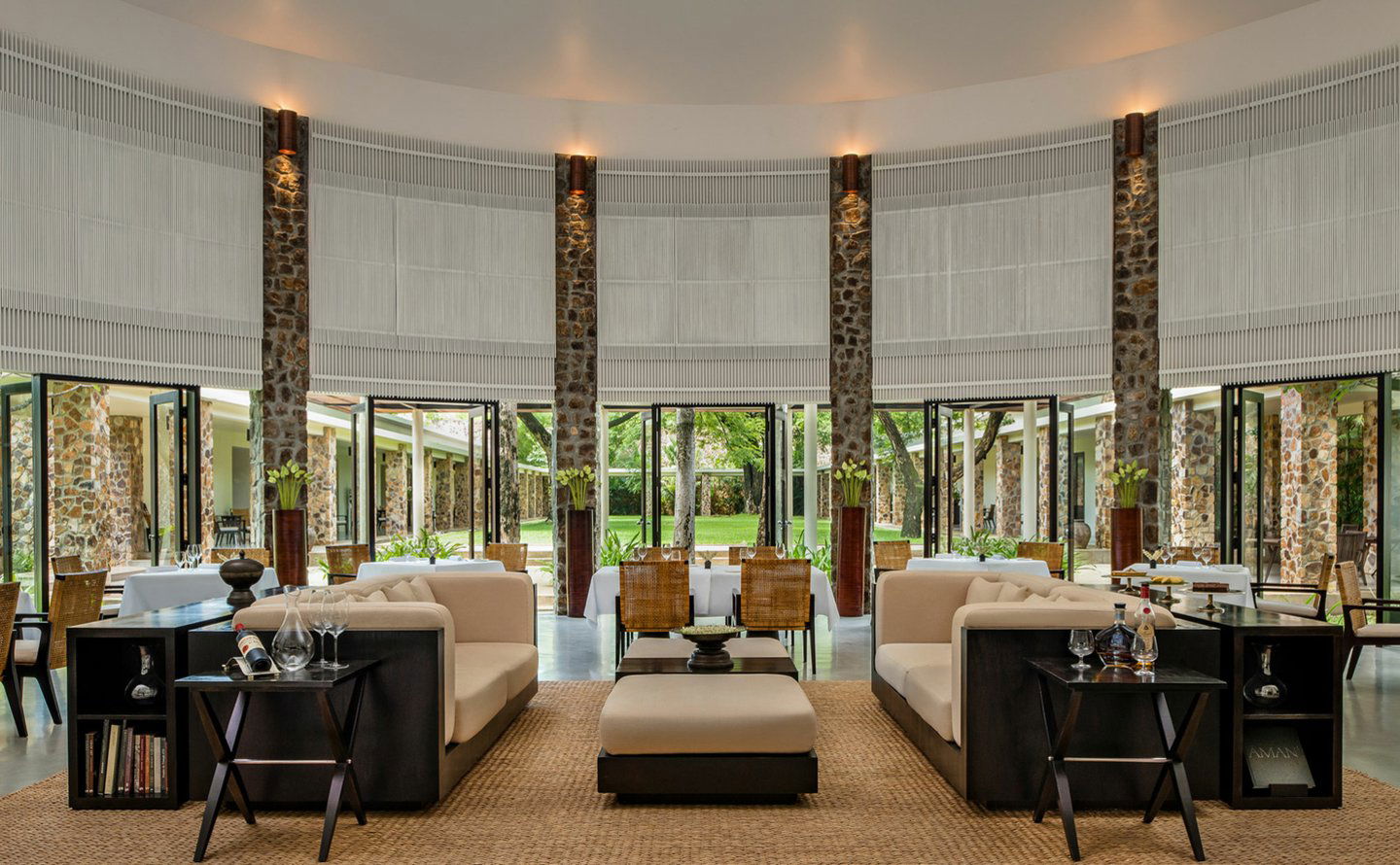
About Amansara Resort Dining Room
Dining at Amansara in Siem Reap positions guests inside one of Southeast Asia's most architecturally significant properties, where the kitchen operates as an extension of the resort's broader commitment to Cambodian cultural rootedness. The format is intimate and resident-facing, placing it in a different tier from Siem Reap's standalone restaurants. A reference point for how luxury hotel dining in Cambodia has evolved.
Where the Kitchen Sits Inside a Larger Argument About Cambodia
Siem Reap's dining scene has divided along a clear axis over the past decade. On one side, standalone restaurants like Cuisine Wat Damnak have built serious reputations by treating Cambodian ingredients with the same rigour applied to French regional produce — sourcing from local farms, working with foraged plants, and presenting Khmer culinary traditions as a subject worth sustained critical attention. On the other, the city's premium hotel dining rooms have carved a separate lane: smaller audiences, higher price floors, and formats oriented around the guest experience of the property rather than a walk-in dining public. Amansara's dining room belongs firmly to the second category, and that positioning shapes everything about what it is and what it is not.
The Aman brand operates a small number of properties globally, each calibrated to sit at the leading of its regional market on room rate and architectural ambition. Amansara, housed in a villa complex originally built for Norodom Sihanouk in 1962, carries that DNA into Siem Reap. The building itself is a mid-century modernist statement in a city whose luxury hotel stock trends toward colonial pastiche or contemporary generic. Arriving at the property, the geometry is spare and deliberate: low pavilions, a strong pool axis, cream-rendered walls that absorb the afternoon light differently from anything in the surrounding streetscape. The dining room operates within that same formal language.
The Sourcing Logic Behind Luxury Hotel Dining in Cambodia
What distinguishes the more serious end of hotel dining in this part of Southeast Asia is not technique alone — it is the relationship between the kitchen and the regional agricultural supply chain. Cambodia's ingredient map is genuinely distinctive: Kampot pepper, grown in the southern coastal province of the same name and carrying protected geographical indication status, is among the country's most documented fine-ingredient exports. Palm sugar from the sugar palm, fermented fish paste (prahok), and a range of freshwater species from the Tonle Sap lake system all constitute a larder with no close parallel in neighboring cuisines.
Hotel kitchens at Aman's price point have the procurement infrastructure to engage seriously with that supply chain. The question for any property in this tier is whether the kitchen treats local sourcing as window dressing on an internationally generic menu, or whether it uses the region's distinctive ingredients as the actual point of departure. Properties like Shinta Mani Wild in Kampong Seila have made ingredient provenance central to their identity at the property level. In Siem Reap's standalone restaurant sector, Lum Orng in Sla Kram Sangkat and JOMNO in Sala Kamreuk have built their identity around exactly this kind of sourcing discipline. The degree to which Amansara's kitchen pursues the same logic sits at the core of what makes it worth consideration for guests who care about the food beyond the setting.
Atmosphere and Format: What the Room Is Actually For
Aman properties are structured around a specific hospitality logic: low key counts, high service ratios, and a guest population that is paying for privacy and spatial calm as much as for the bed or the plate. Amansara holds a small number of suites, which means the dining room at capacity serves a fraction of the audience that a standalone restaurant of equivalent ambition would address. This changes the atmosphere in ways that are not always obvious from the outside. The room does not perform for an audience , it operates as an extension of the private villa environment. There is no walk-in energy, no table-turn pressure, and no ambient noise from a crowded floor.
For guests travelling specifically to Siem Reap for the Angkor temple complex, this format has practical value. Temple visits at Angkor Wat are most productive in the early morning and again at dusk, which means the mid-day and evening hours function as recovery time. A dining room that operates at low volume, in a setting of genuine architectural interest, inside a property with a pool, is not competing with the city's standalone restaurant circuit on the same terms. It is serving a different need. Guests who want to engage with Siem Reap's wider dining options should note that the city has developed a credible independent restaurant tier: Embassy in Svay Dankum and Il Forno offer contrasting reference points within walking or short tuk-tuk distance of the central hotel district.
How Amansara Fits the Broader Premium Dining Pattern in Cambodia
Cambodia's premium dining tier is still consolidating. Unlike Bangkok or Hanoi, where a multi-generation fine dining infrastructure exists, Phnom Penh and Siem Reap are working with a shorter timeline of formal restaurant development. Properties like Amansara function as anchors in this context , they maintain year-round quality standards and staffing continuity that newer standalone operations can struggle to match during the city's low season (roughly June through September, when visitor numbers drop and some independent restaurants reduce hours or close temporarily).
At the same time, the standalone sector has generated some of the region's more discussed addresses. Jaan Bai in Battambang, operating a social enterprise model, represents a different approach to Cambodian ingredient-led cooking. In Phnom Penh, CUTS and Iza anchor the capital's upscale dining conversation. Internationally, the comparison point for what Aman's dining rooms aspire to sits closer to the hotel dining philosophy you find at properties like Louis XV in Monte Carlo or 8½ Otto e Mezzo Bombana in Hong Kong , kitchens embedded in luxury properties where the dining experience is inseparable from the physical environment of the stay. The gap in awards recognition between those addresses and hotel dining in Cambodia reflects market development stage as much as quality ceiling. For a broader sweep of where Siem Reap's dining stands today, our full Siemreab restaurants guide maps the city's key options across price tiers and cuisine types.
Planning a Visit
Amansara's dining room is oriented toward in-house guests rather than the general public, which means access is most direct if you are staying at the property. Siem Reap's high season runs from November through March, when temperatures are manageable and Angkor is at its most visited; during this window, Aman properties in the region tend to run at high occupancy and booking lead times extend accordingly. Guests travelling in the shoulder months of April and October will find the city quieter, with meaningful implications for temple access if not for room availability. The property's position in Siem Reap's central area puts it within practical reach of the temple complex, typically a fifteen-to-twenty-minute drive from the main Angkor Wat entrance gate.
Frequently Asked Questions
- Can I bring kids to Amansara Resort Dining Room?
- Amansara's dining room is calibrated for adult guests paying at Siem Reap's leading price tier , the quiet, low-volume format is not structured around children, and families with young children generally find the experience a poor fit.
- What is the atmosphere like at Amansara Resort Dining Room?
- If you are staying at the property and value architectural calm over social energy, the atmosphere delivers: the mid-century modernist setting, low guest count, and high service ratio produce a room that is quiet and spatially considered. If you are looking for the energy of Siem Reap's independent dining scene or a lively floor, the format will feel restrained by design.
- What's the leading thing to order at Amansara Resort Dining Room?
- Lean toward whatever the kitchen is doing with Cambodian regional ingredients , Kampot pepper, Tonle Sap freshwater species, or locally sourced aromatics represent the strongest argument for eating here rather than at the city's standalone options. Menu specifics are leading confirmed directly with the property at time of booking.
- Should I book Amansara Resort Dining Room in advance?
- Access to the dining room is primarily through staying at the property, so the relevant booking is the room reservation itself. During Siem Reap's November-to-March high season, Amansara runs at high occupancy and lead times of several months are not unusual for prime dates; shoulder season travel affords more flexibility.
- Is Amansara's dining room open to non-guests, and how does it compare to Siem Reap's independent Cambodian restaurant tier?
- Aman properties typically orient their dining toward in-house guests rather than operating as public restaurants, which places Amansara's dining room in a different category from addresses like Cuisine Wat Damnak or Lum Orng, both of which serve a walk-in public and have built their reputations specifically on Cambodian ingredient-led cooking accessible to any diner. If experiencing the breadth of Siem Reap's food scene is a priority, the standalone restaurant circuit offers more variety and, in several cases, stronger editorial recognition for Khmer cuisine specifically.
Related editorial
- Asia's 50 Best Restaurants 2026: The Chairman and Wing Go 1-2 from the Same BuildingThe Chairman takes No. 1 and Wing climbs to No. 2 at Asia's 50 Best Restaurants 2026. Both operate from the same Hong Kong building. Here's what it means.
- Four Seasons Yachts Debut: 95 Suites, 11 Restaurants, and a March 2026 Maiden VoyageFour Seasons I launches March 20, 2026, with 95 suites, a one-to-one staff ratio, and 11 onboard restaurants. Worth tracking if you want hotel-grade service at sea.
- LA Michelin Guide 2026: Seven New Restaurants from Tlayudas to Uzbek DumplingsMichelin's March 2026 California Guide update adds six LA restaurants and one Montecito newcomer, spanning Oaxacan tlayudas, Uzbek manti, and Korean-Italian pasta.
Save or rate Amansara Resort Dining Room on Pearl
Keep this venue in your Pearl passport, rate it after you visit, and track it alongside every other place you collect.