
Restaurant in Playa del Carmen, Mexico
Alux Restaurante
100ptsCenote-Set Fine Dining
About Alux Restaurante
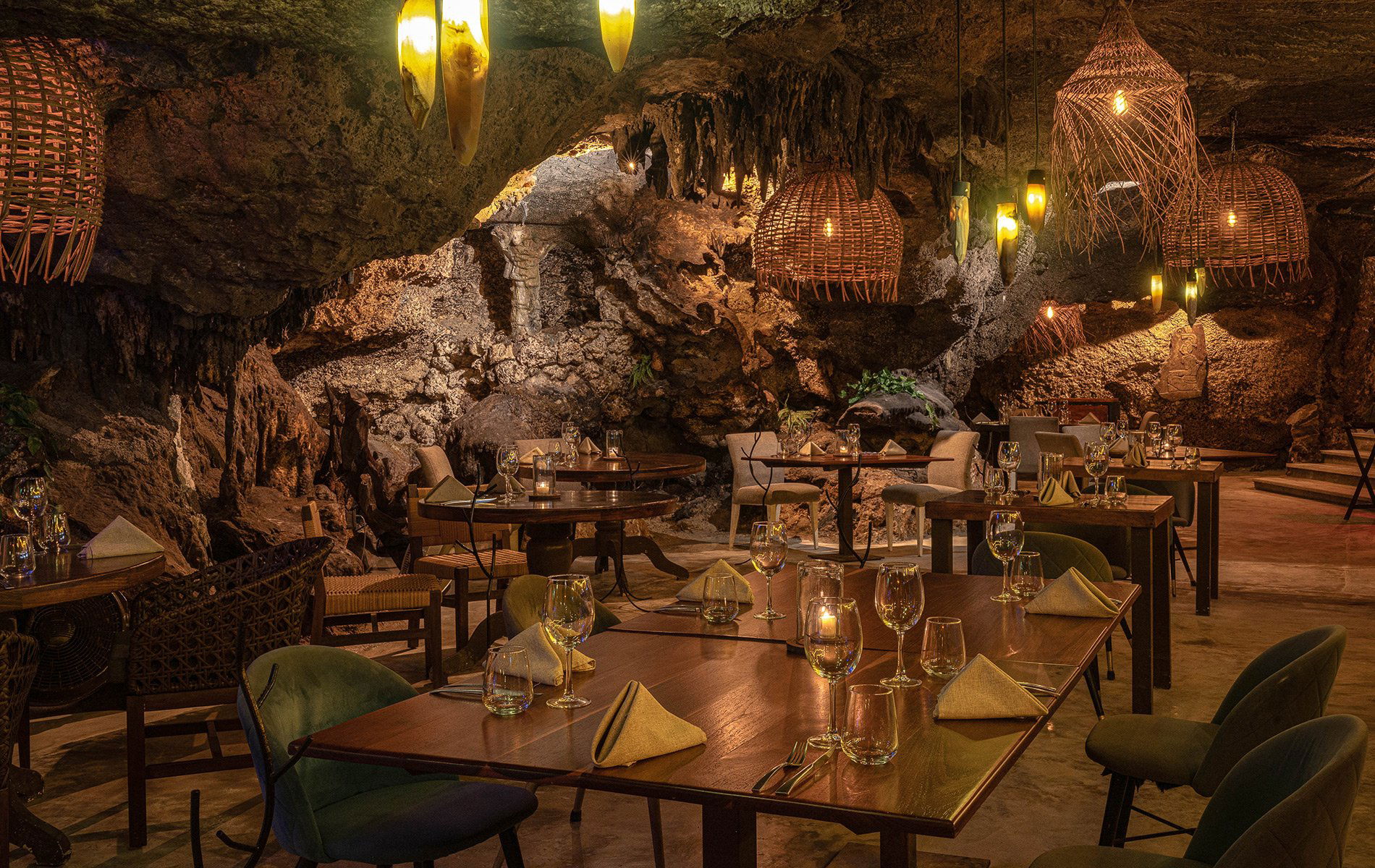
Alux occupies a natural cave system beneath Playa del Carmen, one of the Yucatán Peninsula's more architecturally arresting dining settings. The underground chambers define the experience as much as the menu, placing it in a distinct tier among the Riviera Maya's higher-end restaurants. For the Quinta Roo dining circuit, it remains a reference point for occasion dining in the region.
Dining Beneath the Surface: Playa del Carmen's Cave Restaurant
The Riviera Maya's premium dining scene has sorted itself into predictable categories over the past decade: beach-club restaurants riding sunset views, hotel venues anchored to resort spend, and a small tier of destination addresses that draw diners for reasons that have nothing to do with proximity to the pool. Alux Restaurante falls into that third category, occupying a setting that no design budget can replicate. The restaurant is built inside a cenote cave system, the kind of limestone formation that defines the Yucatán Peninsula's underground geography, and the physical environment functions as the dominant architectural statement before a single dish arrives.
Approaching from Avenida Benito Juárez in the Ejidal neighbourhood, the transition from street level to the cave entrance establishes the register immediately. The rocky descents, ambient lighting threading across stalactites, and the particular silence that comes from standing several metres below ground are not theatrical additions; they are the structure itself. Across Mexico's restaurant circuit, from Pujol in Mexico City to Arca in Tulum, site and setting are increasingly treated as primary design variables. Alux takes that premise to its literal extreme.
How the Menu Reads Against Its Setting
The editorial angle that makes Alux worth understanding is not simply that it exists underground, but what the setting demands of the menu and how the kitchen responds to those demands. Cave dining creates an atmospheric pressure on the food: the experience has weight and occasion built in, which means a menu pitched too casually would create a jarring mismatch, while one pitched at pure haute technique would feel disconnected from the informality that Playa del Carmen as a city carries.
The result across menus of this type, in the Riviera Maya context specifically, is typically a structure that layers Mexican culinary reference points with broader contemporary technique, producing a format recognisable to anyone familiar with the creative Mexican cooking that runs from Le Chique in Puerto Morelos northward up the coast and inland to addresses like Alcalde in Guadalajara or KOLI Cocina de Origen in Monterrey. Where those restaurants interrogate regional ingredients and pre-Hispanic technique with academic seriousness, a venue like Alux operates in a more accessible register, one that serves the international tourist base arriving from Quinta Roo's coastal hotels without requiring prior fluency in contemporary Mexican gastronomy.
Within Playa del Carmen's dining tier, this positions Alux at the higher-spend bracket, sitting above accessible street-food anchors like Asadero El Pollo and below the pure tasting-menu format. It shares a pricing tier with addresses like HA' and sits at a different register than a neighbourhood entry point such as Axiote Cocina de Mexico. For comparison, the broader Riviera Maya circuit has a number of venues operating in the creative-Mexican tier, with Le Chique representing the most technically demanding end of that spectrum in the immediate region.
The Cave as Context: What the Setting Actually Does
Underground cave systems in the Yucatán are geological features formed over millennia by the dissolution of limestone, and the cenote network running beneath the peninsula is among the most extensive in the world. Converting one into a functioning restaurant involves practical engineering as much as aesthetic intention: humidity control, acoustics, structural reinforcement, and lighting all present challenges that above-ground venues simply do not face. The fact that Alux has sustained operations in this environment over a significant period is itself an operational signal, not just a novelty indicator.
The bar program benefits from the setting as much as the dining room does, and the cave's multiple chambers allow a separation between cocktail lounging and seated dining that many restaurants in comparable brackets manage only awkwardly. Mexico's cocktail culture has developed sophistication across premium addresses, and the Riviera Maya's proximity to quality agave production supports mezcal and tequila-forward programs that make sense in this geographic context. For reference points on how serious cocktail architecture functions in premium Mexican settings, the broader national circuit, including venues like Levadura de Olla in Oaxaca or Lunario in El Porvenir, demonstrates how agave spirits can anchor a drinks program with the same seriousness that wine does in European contexts.
Where Alux Sits in the Playa del Carmen Occasion Tier
Playa del Carmen's dining scene is not Tulum, where natural settings and sustainability-led menus have attracted a particular international food-media lens. Nor is it Mexico City or Guadalajara, where the density of serious kitchens creates genuine competitive pressure at the leading of the market. It is a coastal resort city whose restaurants serve a transient international population, and the better addresses understand that proposition rather than resisting it. The question for any premium venue in this context is whether the experience justifies the price relative to what a comparable visitor could spend at a resort property or at addresses further afield like Animalón in Valle de Guadalupe or Pangea in San Pedro Garza García.
For a global frame, the category of destination-dining-in-unusual-physical-environments has expanded significantly, with venues like Le Bernardin in New York City and Lazy Bear in San Francisco demonstrating that occasion dining requires a coherent logic between setting, menu, and service register. Alux's logic rests primarily on its setting, which is both its differentiator and the primary test for whether the rest of the experience measures up. See our full Playa del Carmen restaurants guide for the broader dining picture across the city's neighbourhoods and price tiers.
Practically, Alux is located in the Ejidal district on Avenida Benito Juárez, accessible from the Quinta Avenida corridor. The cave setting operates across both a restaurant and bar format, meaning visits can be structured as a full dinner or as a bar-focused evening, depending on what the occasion calls for. Given the setting's atmospheric pull, pre-dinner or post-dinner use of the bar chambers is a reasonable approach for visitors not committing to a full seated meal. Reservations are advisable during the peak Riviera Maya season, roughly December through April, when resort occupancy in the area pushes demand across the city's higher-end dining tier. For a wider picture of regional addresses at various price points, Blue Restaurant and Babe's Noodles & Bar both represent different nodes on Playa del Carmen's dining map worth considering for a multi-night itinerary.
Frequently Asked Questions
- Does Alux Restaurante work for a family meal?
- It depends on the age of the children. The cave setting is genuinely atmospheric rather than child-proofed, and the pricing tier places it in Playa del Carmen's occasion dining bracket, so it works better for adults or older teenagers than as a casual family dinner stop.
- What is the atmosphere like at Alux Restaurante?
- If you want a conventional dining room, this is not the right address. The cave chambers create a low-light, acoustically distinctive environment that functions well for couples or groups treating the meal as an event. At the higher end of Playa del Carmen's dining tier, the setting does more atmospheric work than any designed interior could, which is either a compelling reason to book or a reason to prefer something more conventional, depending on your priorities.
- What do people recommend at Alux Restaurante?
- Given the absence of a current verified menu, the recommendation from the broader dining circuit for venues in this format is to treat the cocktail program as seriously as the food, particularly given the Riviera Maya's access to quality agave spirits. The cave bar experience is reported as a draw in its own right, separate from the dining room format.
- Is Alux Restaurante primarily a restaurant, a bar, or both?
- The venue operates across multiple chambers that function as both a seated restaurant and a cocktail bar, which is relatively uncommon in the Playa del Carmen premium tier. This split-format setup, operating inside a cenote cave system in the Ejidal district, means it can anchor different kinds of evenings, from a full dinner to a purely drinks-focused visit. In the context of the Riviera Maya dining circuit, this flexibility makes it one of the few addresses in the city where the bar program and the dining program are genuinely co-equal propositions.
Related editorial
- Best Fine Dining Restaurants in ParisFrom three-Michelin-star icons to the next generation of Parisian chefs pushing boundaries, these are the restaurants that define fine dining in the world's culinary capital.
- Best Luxury Hotels in RomeFrom rooftop terraces overlooking ancient ruins to Michelin-starred hotel dining, these are the luxury hotels that make Rome unforgettable.
- Best Cocktail Bars in KyotoFrom sleek lounges to hidden speakeasies, Kyoto's cocktail scene blends Japanese precision with global influence in ways you won't find anywhere else.
Save or rate Alux Restaurante on Pearl
Keep this venue in your Pearl passport, rate it after you visit, and track it alongside every other place you collect.