
Restaurant in Sarntal, Italy
Alpenrestaurant Elisabeth
100ptsHigh-Pasture Alpine Gasthaus
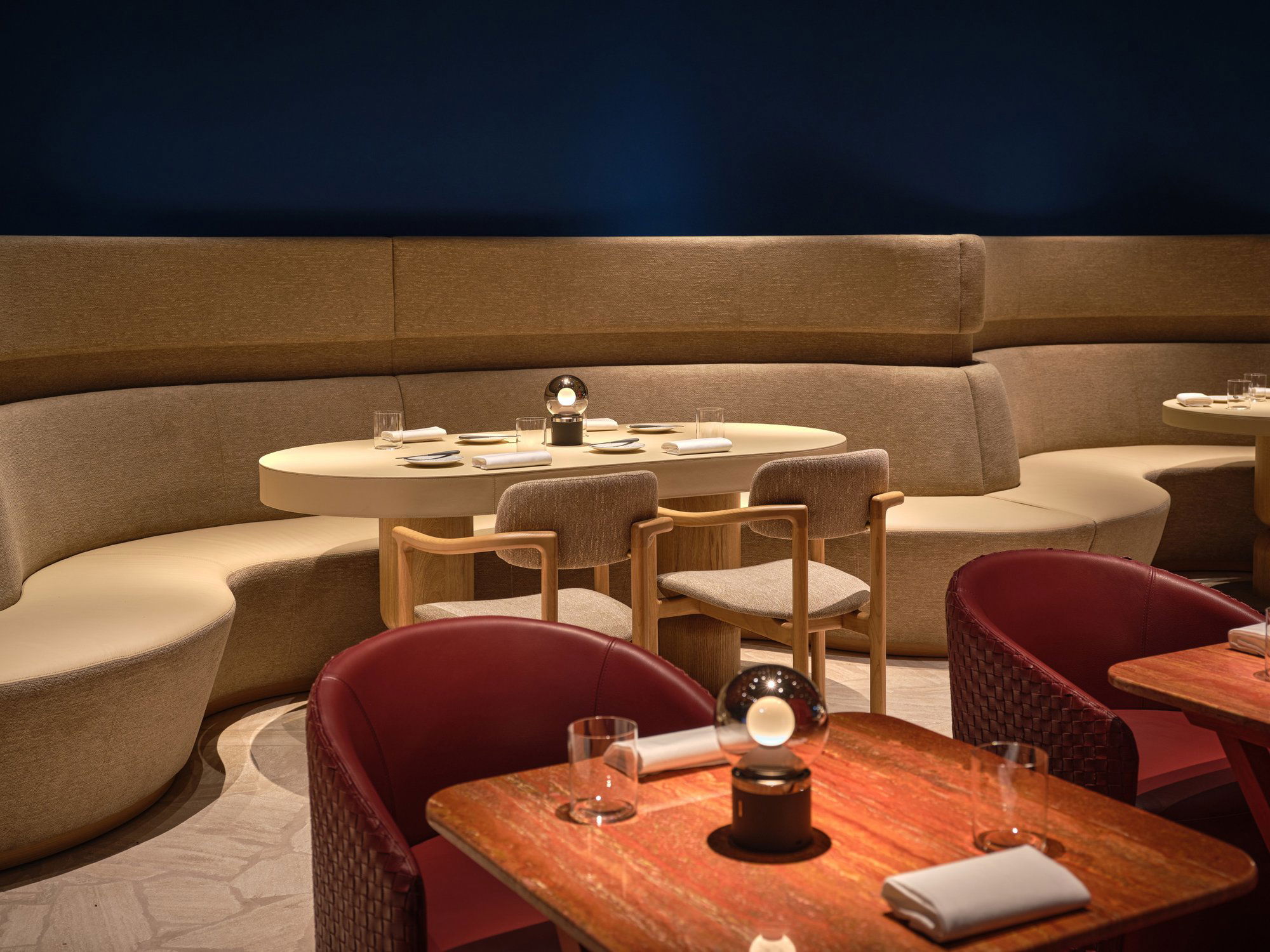
About Alpenrestaurant Elisabeth
Set in the Sarntal valley of South Tyrol, Alpenrestaurant Elisabeth operates within a dining tradition rooted in Alpine ingredient sourcing and mountain hospitality. The restaurant sits among a small cluster of valley addresses where local producers, seasonal rhythms, and the surrounding landscape define what arrives on the plate. For visitors to the region, it represents a grounded entry point into Sarntal's food culture.
Where the Valley Defines the Plate
South Tyrol's Sarntal valley runs north from Bolzano into a tightening corridor of larch forest and high pasture, the kind of terrain that has always shaped what people eat rather than the other way around. The farms sit at altitude, the growing season is compressed, and the traditions that emerged from those conditions — cured meats, aged cheeses, rye-based breads, dairy-forward cooking — are not affectations. They are the record of a place working with what it has. Alpenrestaurant Elisabeth, addressed at Innerpens 56 in the commune of Sarentino, operates within that framework. The building itself sits in the upper valley, where the road narrows and the settlement thins, placing it physically inside the source landscape rather than at a remove from it.
That geography matters for understanding what this kind of restaurant does. In the Alto Adige broadly, and in Sarntal specifically, the most credible dining addresses are those whose menus move with the altitude and the season rather than against them. Spring brings wild herbs from the slopes; autumn delivers game, mushrooms, and the last of the root vegetables before winter closes the high ground. A restaurant at this address is, by default, working closer to those supply chains than a comparable address in Bolzano or Merano would be.
Ingredient Sourcing as the Foundation
The defining characteristic of Alpine restaurant cooking in South Tyrol is not technique , it is provenance. The region's food culture sits at the intersection of Italian and Austro-Hungarian culinary traditions, and the most coherent version of that synthesis is not found in fusion menus but in the sourcing discipline that underpins the simpler preparations. Speck, the valley's cured and cold-smoked pork product, carries PGI status; its production is tied to specific altitude ranges, smoke compositions, and curing durations. Dairy cattle in the Sarntal graze at elevations that shift their milk fat profiles seasonally. Rye grown on the south-facing terraces carries different mineral character than lowland grain.
Restaurants that work within this framework , and Alpenrestaurant Elisabeth's valley address places it squarely in that category , draw from a producer network that is necessarily local because the products themselves do not travel well or do not exist outside the immediate geography. That is a structural advantage over urban restaurants sourcing Alpine ingredients at a distance, and it is the reason that valley restaurants in South Tyrol occupy a distinct tier from their city counterparts, even when the latter carry more formal recognition.
For context within Italy's broader high-end dining map, houses like Atelier Moessmer Norbert Niederkofler in Brunico have built international reputations precisely around this sourcing logic , the argument that Alpine ingredients, handled with restraint, produce a cuisine that cannot be replicated elsewhere. That argument applies at multiple price points and formality levels across the region, not only at the Michelin tier. Further afield, restaurants such as Dal Pescatore in Runate, Uliassi in Senigallia, and Piazza Duomo in Alba anchor their identities in territory and season in comparable ways, even though the specific ingredients and traditions differ entirely.
The Sarntal Dining Context
Sarntal is not a destination with deep restaurant infrastructure. It is a valley that draws hikers, skiers, and agritourism visitors, and the dining addresses that serve them range from farmhouse taverns to more considered valley restaurants. Within that range, a small number of addresses have developed reputations that extend beyond the immediate guest population. Alpes and Höllriegl represent the more formally recognised tier of Sarntal dining, and the valley's overall food culture benefits from that critical mass of credible addresses relative to its size. Our full Sarntal restaurants guide maps this in more detail.
Alpenrestaurant Elisabeth sits within this local context as an address tied to the valley's hospitality traditions rather than to the formal fine-dining circuit. That positioning is neither a limitation nor a marketing posture , it reflects how the majority of South Tyrol's quality dining actually works. The region produces more credible mid-tier and traditional restaurants than it does starred addresses, and those establishments carry the day-to-day weight of representing the region's food culture to visitors.
Placing Sarntal Within Italy's Dining Map
Italy's most discussed restaurant addresses cluster in very different geographies: Osteria Francescana in Modena, Le Calandre in Rubano, Enrico Bartolini in Milan, Enoteca Pinchiorri in Florence, and Casa Perbellini 12 Apostoli in Verona operate in the urban or peri-urban fine-dining register. So do Da Vittorio in Brusaporto, Villa Crespi in Orta San Giulio, Reale in Castel di Sangro, and Quattro Passi in Marina del Cantone. The shared characteristic across those addresses is that their identity is built on culinary transformation , taking ingredients and doing something to them that justifies the formality and the price point.
Valley restaurants in South Tyrol occupy a different position on that spectrum. The transformation is often minimal by design: the quality argument rests on sourcing proximity and seasonal fidelity rather than on technical elaboration. That is not a lesser approach , it is a different one, and for many visitors to the Sarntal it is a more appropriate fit for the context than a tasting-menu format would be. Internationally, restaurants like Le Bernardin in New York City and Lazy Bear in San Francisco demonstrate that sourcing clarity can operate at multiple formality tiers, though the Alpine valley model is structurally distinct from either of those.
Planning a Visit
Alpenrestaurant Elisabeth is located at Innerpens 56, in the upper section of the Sarntal valley, within the municipality of Sarentino (Sarnthein in German). The valley is accessible from Bolzano via the SS508 road, a drive of roughly 30 kilometres that climbs steadily through the valley floor. Given the rural address and the limited public transport serving the upper valley, arriving by car is the practical default for most visitors. Booking in advance is advisable, particularly during the summer hiking season and winter ski period when valley accommodation fills and dining demand rises accordingly. Specific opening hours, current pricing, and reservation contacts are leading confirmed directly with the restaurant, as details for valley addresses in South Tyrol can shift seasonally.
Frequently Asked Questions
Is Alpenrestaurant Elisabeth suitable for children?
For a valley restaurant in Sarntal, yes , Alpine Gasthaus-style addresses in South Tyrol typically accommodate families without issue, and the relaxed format is a better fit for children than the formal tasting-menu tier found at starred restaurants elsewhere in Italy.
Is Alpenrestaurant Elisabeth better for a quiet night or a lively one?
Sarntal's dining scene as a whole skews toward the unhurried end of the spectrum , this is not Bolzano or Milan. Without formal awards data placing the restaurant in a high-traffic tier, the reasonable expectation at an upper-valley address in this part of South Tyrol is a measured, calm atmosphere rather than anything resembling a city dining room on a Friday night.
What's the must-try dish at Alpenrestaurant Elisabeth?
No verified dish data is available for this restaurant. In the broader South Tyrol valley context, expect the menu to follow regional conventions: speck-forward antipasti, hearty pasta preparations such as Schlutzkrapfen (filled rye pasta), and seasonal game or dairy dishes that shift with the mountain calendar , but confirm specifics directly with the restaurant before visiting.
What's the leading way to book Alpenrestaurant Elisabeth?
Phone or in-person booking is the standard method for valley restaurants in this part of South Tyrol; no online reservation system has been confirmed for this address. Contact details are leading sourced through local directories or the municipality of Sarentino, and reservations made well ahead of peak season periods will give the most flexibility.
What do critics highlight about Alpenrestaurant Elisabeth?
No formal critical coverage or award recognition has been confirmed in available records for this restaurant. Within the Sarntal context, the more formally reviewed valley addresses include Alpes and Höllriegl, which carry documented recognition and provide a reference point for the valley's upper dining tier.
What makes Alpenrestaurant Elisabeth different from the resort-hotel restaurants in the broader South Tyrol region?
Many South Tyrol dining addresses sit inside hotel properties and are calibrated toward a captive guest audience , the menu choices, pricing, and atmosphere reflect that. An independently addressed valley restaurant in the Sarntal, by contrast, draws from a local and repeat visitor base, which in practice tends to produce more grounded, seasonally responsive menus. The upper-valley position at Innerpens also places the kitchen closer to the producer geography that defines regional cooking at its most credible, separate from the hotel-dining circuit that dominates the region's formal recognition.
Related editorial
- Best Fine Dining Restaurants in ParisFrom three-Michelin-star icons to the next generation of Parisian chefs pushing boundaries, these are the restaurants that define fine dining in the world's culinary capital.
- Best Luxury Hotels in RomeFrom rooftop terraces overlooking ancient ruins to Michelin-starred hotel dining, these are the luxury hotels that make Rome unforgettable.
- Best Cocktail Bars in KyotoFrom sleek lounges to hidden speakeasies, Kyoto's cocktail scene blends Japanese precision with global influence in ways you won't find anywhere else.
Save or rate Alpenrestaurant Elisabeth on Pearl
Keep this venue in your Pearl passport, rate it after you visit, and track it alongside every other place you collect.