
Restaurant in Hondarribia, Spain
Alameda Restaurant at Hondarribia
150ptsAtlantic Basque Precision

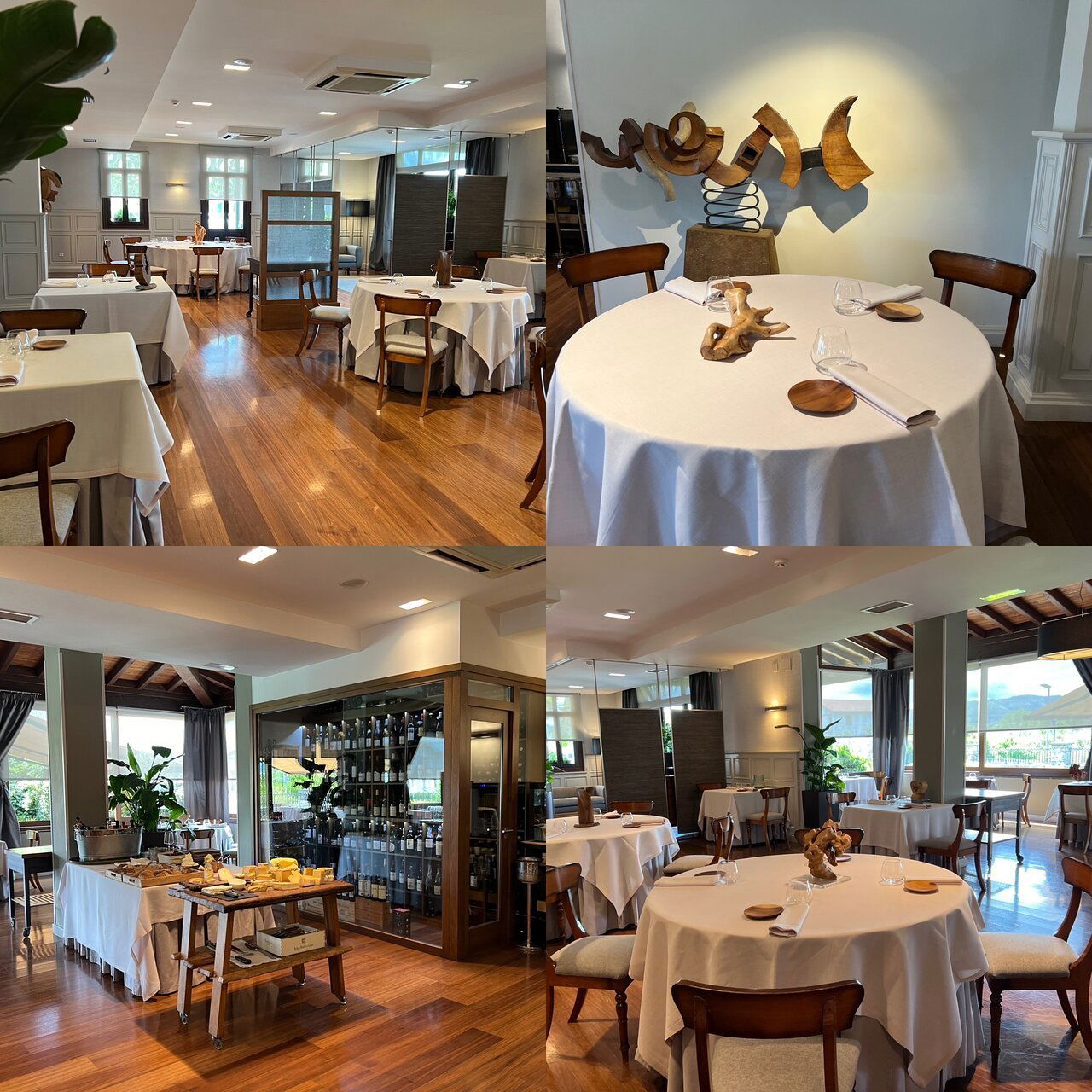
About Alameda Restaurant at Hondarribia
Alameda Restaurant holds a 2-Star Accreditation from the World of Fine Wine & Lifestyle Awards, placing it among a small tier of seriously regarded kitchens in the western Basque Country. Set in Hondarribia, a fortified medieval town minutes from the French border, it represents the kind of destination dining that draws visitors well beyond the local province. Book ahead and allow the evening to unfold.
Where the Basque Table Meets the Atlantic Frontier
Hondarribia sits at the mouth of the Bidasoa river, where Spanish and French Basque cultures have overlapped for centuries. The town's medieval quarter, ringed by Charles V-era walls, contains fewer than 17,000 inhabitants, yet the dining conversation here punches well above that scale. This is not an accident of geography. The western Basque Country has become one of Europe's most concentrated zones of serious cooking, anchored by destinations like Arzak in San Sebastián and Martin Berasategui in Lasarte-Oria, with smaller towns in the province following in kind. Alameda, sitting at Minasoroeta Kalea, 1, within the old town, is among the principal reasons Hondarribia appears on that regional map at all.
The restaurant holds a 2-Star Accreditation from the World of Fine Wine & Lifestyle Awards, a recognition that places it in a tier above everyday regional dining and signals a kitchen operating with both technical consistency and a clear culinary identity. Within Hondarribia's dining scene, that credential separates Alameda from the town's solid but more casual offerings. The grilled fish and txakoli counters that line the lower harbour represent one kind of Basque hospitality; Alameda occupies a different register entirely.
The Cultural Weight of Basque Cuisine
To understand what a kitchen like Alameda is working within, it helps to appreciate what Basque gastronomy actually is. This is not a regional cuisine that adapted reluctantly to modernity. From the 19th-century txoko tradition of all-male gastronomic societies in San Sebastián to the new Basque cuisine movement of the 1970s, the region has treated cooking as both a social institution and an intellectual project. The result is a culinary culture with unusually deep roots in both technique and produce, where the quality of a cod cheek or the freshness of a kokotxa is treated as a matter of civic seriousness.
That seriousness extends to the surrounding geography. The Basque coast delivers anchovy, spider crab, and sea bream of a quality that has attracted visiting chefs from across Europe for generations. The interior offers wild mushrooms, Ibérico-adjacent cured meats, and the grassy intensity of local lamb. Txakoli, the bracingly acidic local white wine produced in appellations just west of Hondarribia, has become one of the most food-specific wines in Spain precisely because it was built around a table tradition rather than international export ambition. Restaurants operating in this context inherit an infrastructure of ingredient supply and culinary expectation that shapes what ends up on the plate before a single creative decision is made.
Hondarribia, sitting directly on the border with the French Basque Country, absorbs influence from both sides. The Hendaye ferry crossing takes minutes, and the Lapurdi coast, with its own tradition of Basque cooking oriented slightly more toward French technique, is visible from the town's upper ramparts. Kitchens in Hondarribia have historically operated between these two traditions, and the town's geography ensures that cross-border ingredient flows and culinary ideas move freely in both directions. That context matters when considering what a 2-Star accredited restaurant here is drawing from and speaking to.
Alameda Within Hondarribia's Dining Hierarchy
Hondarribia's restaurant options span a usefully broad range. At the informal end, places like Gran Sol offer traditional cuisine at accessible price points, serving the everyday Basque table in the way that neighbourhood restaurants have done for decades. The town also has a strong asador tradition: Laia Erretegia represents the steak and grill end of the spectrum at a €€€ price tier, where fire and prime local cuts are the point. Traditional cuisine at a comparable price tier appears at Sutan. Consult our full Hondarribia restaurants guide for a complete picture of the town's options across all categories and price points.
Alameda's 2-Star Accreditation positions it above these alternatives not as a matter of better versus worse, but as a different kind of proposition. A dinner at a 2-Star accredited kitchen in a town this size is a destination decision, the kind of meal that warrants planning a trip around rather than fitting in because you happen to be nearby. That distinction shapes how you should think about booking, timing, and what you are paying for.
For comparison across Spain's serious restaurant tier, Alameda sits within a national conversation that includes Azurmendi in Larrabetzu, El Celler de Can Roca in Girona, Cocina Hermanos Torres in Barcelona, DiverXO in Madrid, and Aponiente in El Puerto de Santa María. Internationally, the weight of a 2-Star accreditation connects it to a peer group that includes seriously recognised tables like Le Bernardin in New York City and Emeril's in New Orleans, each operating with sustained critical recognition as a baseline expectation.
Planning a Visit
Hondarribia is accessible from San Sebastián in under thirty minutes by road, making it a practical day trip from the city. The town also connects by ferry across the Bidasoa to Hendaye in France, which opens a logical cross-border itinerary. For those staying overnight, our full Hondarribia hotels guide covers the available accommodation across different price points and styles, and the medieval quarter contains options ranging from the parador in the old castle to smaller guesthouses within the walled town itself.
A dinner at Alameda in a fortified Basque town of this scale warrants treating the reservation seriously. Accredited restaurants at this level in small towns, where the dining room is not a large-capacity operation, tend to fill on weekends and during high summer months, particularly July and August when Basque Country tourism peaks. Advance booking is advisable for any visit during the summer season or during the town's annual festivals. The broader context of Hondarribia, its bars, wine culture, and Basque pintxo scene, can be explored further through our full Hondarribia bars guide, our full Hondarribia wineries guide, and our full Hondarribia experiences guide.
Frequently Asked Questions
Is Alameda Restaurant at Hondarribia good for families?
Hondarribia as a town is relaxed and family-oriented, particularly in its lower harbour area. Alameda, given its 2-Star accreditation and the formality implied by a kitchen operating at that level, is more naturally suited to adults seeking a considered dining experience. If you are travelling with children, the town's more casual options, including traditional cuisine spots like Gran Sol, will be a more comfortable fit for the full table.
Is Alameda Restaurant at Hondarribia better for a quiet night or a lively one?
The combination of a small Basque town setting, a 2-Star accreditation, and the formal register that serious kitchens in this tier tend to operate at points clearly toward a quieter, more focused evening. If you want the animated pintxo-bar energy that defines much of Basque social dining, the town's bars and informal restaurants deliver that more naturally. Alameda is where you go to concentrate on the food.
What should I eat at Alameda Restaurant at Hondarribia?
The restaurant's 2-Star accreditation from the World of Fine Wine & Lifestyle Awards suggests a kitchen with demonstrable range and consistency. In a Basque context, that typically means cooking built around the region's most celebrated produce: salt cod, spider crab, wild mushrooms, and the coastal fish that arrive daily from the Bay of Biscay. Specific current dishes and menu formats are leading confirmed directly with the restaurant ahead of your visit, as menus at this level tend to shift with season and market availability.
Should I book Alameda Restaurant at Hondarribia in advance?
Yes. A 2-Star accredited kitchen in a town as small as Hondarribia operates with limited covers, and the combination of regional reputation and summer tourism in the Basque Country means availability can tighten quickly. Weekend bookings and visits during July and August in particular should be arranged as far ahead as possible. The restaurant is at Minasoroeta Kalea, 1, in the old town; contact details for reservations are leading obtained directly through the restaurant's own channels.
What's the signature at Alameda Restaurant at Hondarribia?
At 2-Star accreditation level, a kitchen's identity tends to cohere around a point of view rather than a single dish. In the Basque tradition, that point of view is usually expressed through the treatment of the region's canonical ingredients. The specific dishes that define Alameda's current menu should be confirmed with the restaurant directly, as the kitchen at this level will be guided by what the season and the market offer rather than a fixed permanent menu.
Recognized By

Related editorial
- Best Fine Dining Restaurants in ParisFrom three-Michelin-star icons to the next generation of Parisian chefs pushing boundaries, these are the restaurants that define fine dining in the world's culinary capital.
- Best Luxury Hotels in RomeFrom rooftop terraces overlooking ancient ruins to Michelin-starred hotel dining, these are the luxury hotels that make Rome unforgettable.
- Best Cocktail Bars in KyotoFrom sleek lounges to hidden speakeasies, Kyoto's cocktail scene blends Japanese precision with global influence in ways you won't find anywhere else.
Save or rate Alameda Restaurant at Hondarribia on Pearl
Keep this venue in your Pearl passport, rate it after you visit, and track it alongside every other place you collect.