
Restaurant in Nasr, Egypt
Al Khal Egyptian Restaurant
100ptsResidential Egyptian Home Cooking
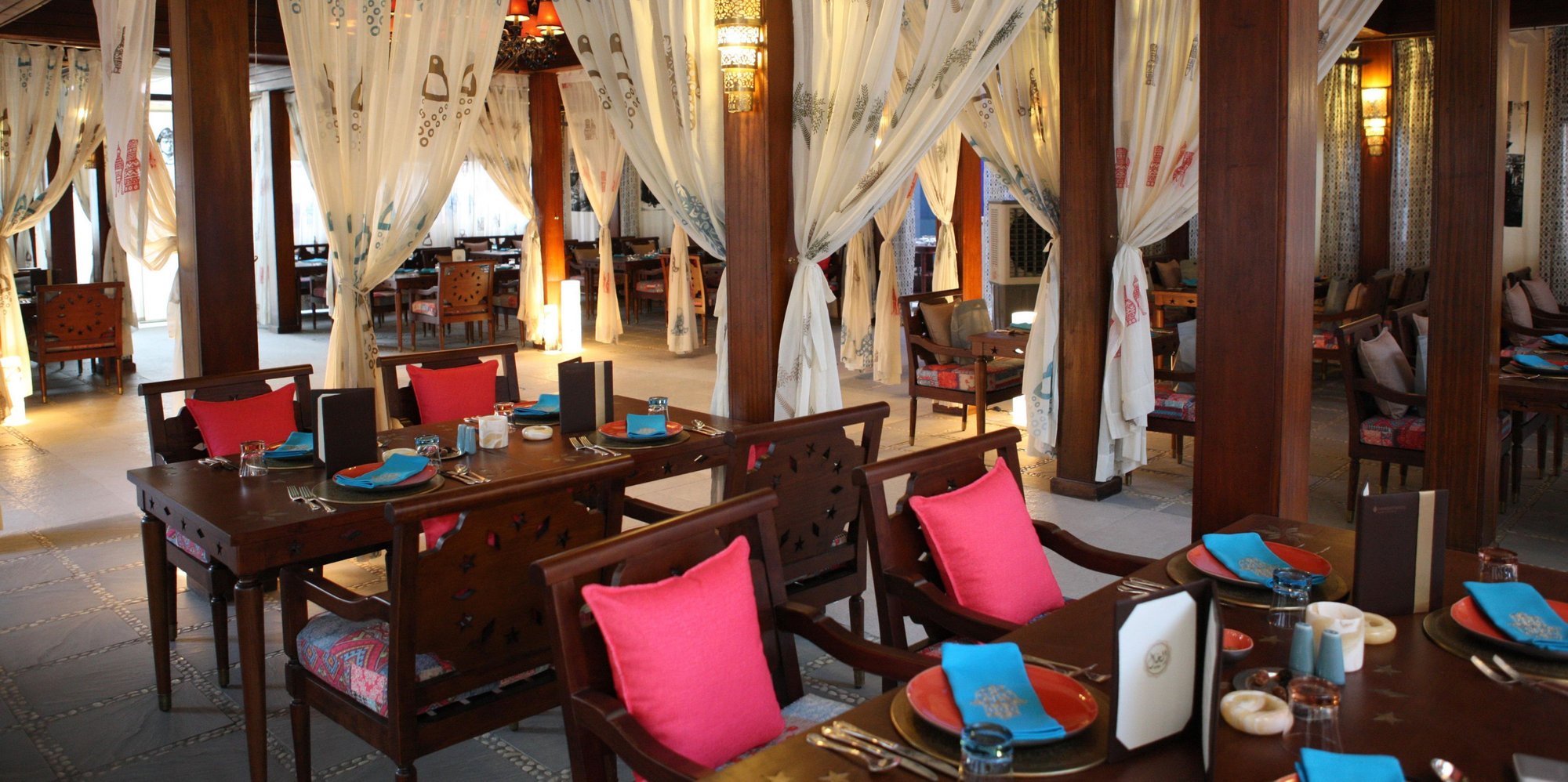
About Al Khal Egyptian Restaurant
Al Khal Egyptian Restaurant operates in the home-cooking tradition of Heliopolis, one of Cairo's long-established residential districts. Located in Masaken Al Mohandesin, it addresses the neighbourhood appetite for grounded Egyptian staples: the slow-cooked legume dishes, braised meats, and grain preparations that define everyday Cairene eating. For visitors wanting to eat the way locals do rather than through a tourist-facing interpretation, this is the relevant category.
Egyptian Home Cooking in Heliopolis: What the Neighbourhood Signals
Masaken Al Mohandesin, the residential pocket of Heliopolis where Al Khal Egyptian Restaurant sits along Omar Ibn El-Khattab, is the kind of address that tells you something before you walk through the door. Heliopolis has long been one of Cairo's more settled middle-class districts, built on European planning principles in the early twentieth century and now layered with decades of neighbourhood commerce. Restaurants that survive here do so on repeat local custom rather than tourist footfall or hotel proximity. That structural fact shapes what ends up on the table: the cooking tends toward the domestic register of Egyptian cuisine, the dishes that Cairene families have been preparing at home for generations, rendered for a dining-room setting.
Within Cairo's broader restaurant map, that positions Al Khal in a different conversation from the modern Egyptian formats clustered in New Cairo or Zamalek. Places like Kazoku in Cairo or Sachi Giza in Giza operate within an internationally inflected dining grammar. Al Khal, by contrast, draws from a tradition where the measure of quality is fidelity to the source: the slow-cooked legumes, the braised meats, the grain dishes that define the Egyptian table at its most functional and satisfying.
The Sourcing Logic Behind Egyptian Home-Style Cooking
Egyptian cuisine, in its traditional form, is built around ingredients that travel well from farm to pot: dried fava beans, lentils, rice, slow-braised cuts of lamb and beef, sun-dried vegetables. This is not incidental. The agricultural Nile Delta has supplied Egyptian kitchens for millennia with legumes and grains that store easily and cook into deeply flavoured dishes without requiring complex supply chains. A restaurant operating in that tradition does not need to cite provenance in the European fine-dining sense; the sourcing logic is already embedded in the recipe architecture.
Koshary, the national street dish of Egypt assembled from rice, lentils, pasta, and spiced tomato sauce, is a case study in this principle. Its components are individually humble and individually sourced from the most accessible domestic agricultural streams, but the combination has developed enough cultural weight that dedicated koshary houses, like those reviewed in our feature on Koshary Hekaya in القاهرة, sustain loyal queues. The same logic applies to ful medames, the braised fava bean preparation that anchors Egyptian breakfast culture and appears in various forms across the day. When a neighbourhood restaurant like Al Khal serves these dishes, the editorial question is not whether the ingredients are rare or imported, but whether the preparation respects the time and technique the dish requires.
Slow cooking is the dominant technical mode in this tradition. Ful needs hours of low heat to reach the collapsing texture that makes it worth eating. Kofta and hawawshi depend on the quality and seasoning of the meat mixture before heat is applied. Molokhia, the mucilaginous green-leaf soup that divides opinion among outsiders but commands devotion among Egyptians, is as much about the stock beneath it as the leaf itself. These are not dishes that reward shortcuts, and the kitchens that earn neighbourhood loyalty in Heliopolis are generally the ones that have not taken them.
Where Al Khal Sits in the Cairo Dining Framework
Cairo's restaurant scene has expanded considerably in recent years, with the highest concentration of new openings and format experimentation happening in New Cairo's compound developments and in Zamalek's riverside strip. Venues like Pier 88 in Zamalek and La Zisa in Boulaq represent the more design-conscious, internationally aware end of Cairo dining. On the other side of that divide, neighbourhood Egyptian restaurants in areas like Heliopolis and Nasr City function as the dining infrastructure of the city: places where the primary contract is reliability rather than novelty.
That is a meaningful distinction, not a hierarchy. Egyptian home-style restaurants in residential Cairo often serve populations who eat out frequently and judge harshly, because they are comparing the food against their own domestic cooking and the cooking of the restaurants they have used for years. The competitive pressure is different from the tasting-menu tier, but it is no less real. A restaurant on Omar Ibn El-Khattab that has remained in operation earns its place through consistent execution, not through design investment or press coverage.
For comparison, consider the Egyptian Mediterranean register explored by La Maison Bleue in El Gouna, which operates at a different price point and with a different sourcing story, drawing on coastal seafood and international technique. That format addresses a different reader need. Al Khal addresses the need for grounded, ingredient-led cooking in a neighbourhood that knows what it is looking for. Our full Nasr restaurants guide places Al Khal within the broader dining options across this part of Cairo.
The Regional Breadth of Egyptian Cuisine
Egypt's cooking is not monolithic. The Delta region produces distinct vegetable preparations and fish dishes. Upper Egypt contributes heavier, grain-forward meals. Alexandria has its own seafood tradition, filtered through Mediterranean influence. A restaurant trading under the descriptor "Egyptian" in Cairo is implicitly making choices about which of these registers it draws from, even when those choices are never stated on a menu. The Heliopolis neighbourhood historically attracted families from across the country, which shaped the commercial restaurant supply: kitchens here have tended to favour the broadly accessible Cairo version of Egyptian cooking rather than a strongly regional specialisation.
That accessibility is part of what makes this category of restaurant useful to the Cairo visitor who wants to eat the way Cairenes actually eat, rather than through a tourist-facing interpretation of the cuisine. Restaurants like Andrea El Mariouteya in Sheikh Zayed City have built a version of this proposition at larger scale and with more destination-restaurant infrastructure. The neighbourhood Egyptian restaurant does the same thing with less apparatus, which is either a limitation or a recommendation depending on what you are looking for.
Readers exploring Cairo's broader dining range, including options across different cuisine categories, will find useful reference points in venues such as Cairo Caizer in Nasr, Chinoix Restaurant in New Cairo, and Mayrig in Shiekh Zayed, each of which addresses a distinct segment of the city's appetite. For travellers with wider regional ambitions, the cooking traditions examined at Castle Zaman in Noweiba and Carbs in Al Ameria extend the picture of what Egyptian and Egyptian-adjacent hospitality looks like across different geographies.
Planning a Visit
Al Khal Egyptian Restaurant is located at Omar Ibn El-Khattab, Masaken Al Mohandesin, Heliopolis, Cairo Governorate 11737. The address places it within the Heliopolis residential grid, accessible by taxi or ride-share from central Cairo; Heliopolis is roughly a thirty-minute drive from downtown depending on traffic patterns, which in Cairo are leading avoided in the early evening hours. No booking platform, phone number, or website is currently listed in available data, which is consistent with a neighbourhood-format restaurant where walk-in traffic is the primary model. Arriving outside peak lunch and dinner windows, typically before 1pm or after 3pm for lunch, is the practical approach when seating availability is uncertain.
Frequently Asked Questions
What is Al Khal Egyptian Restaurant known for?
Al Khal operates in the home-style Egyptian cooking tradition, the category that covers the slow-cooked legume dishes, braised meats, and grain preparations that define everyday Cairene eating. Its Heliopolis location in Masaken Al Mohandesin situates it within a residential neighbourhood where restaurant loyalty is built on consistency with familiar dishes rather than on novelty or awards recognition. No specific chef credentials or formal awards are recorded in available data.
What's the must-try dish at Al Khal Egyptian Restaurant?
Without confirmed menu data, no specific dish can be cited as a guaranteed fixture. However, within the Egyptian home-cooking tradition that neighbourhood restaurants in Heliopolis typically represent, ful medames, kofta preparations, and molokhia with rice are the categories most likely to reflect a kitchen's technical priorities. The cooking style of any Egyptian restaurant in this register is most accurately judged by how it handles these foundational dishes rather than by any single showpiece item.
Do they take walk-ins at Al Khal Egyptian Restaurant?
No reservation system or booking contact is listed in current data, which suggests walk-in is the operative model. In Cairo's neighbourhood restaurant category, this is standard practice: tables turn through the day without advance booking infrastructure. If the restaurant is a working neighbourhood fixture in Masaken Al Mohandesin, peak meal periods on weekends will see higher demand, and arriving at off-peak times reduces waiting. Confirming current hours before visiting is advisable, as no hours data is available here.
How does Al Khal Egyptian Restaurant fit into Heliopolis's dining scene compared to other Cairo neighbourhoods?
Heliopolis operates as one of Cairo's established residential dining districts, distinct from the newer compound-restaurant developments in New Cairo and the tourist-adjacent corridor in Zamalek. Restaurants in Masaken Al Mohandesin serve primarily local repeat customers, which tends to produce a more consistent, less trend-sensitive kitchen output than venues in higher-visibility locations. For readers building a broader picture of Cairo dining across different neighbourhoods and cuisine categories, the full Nasr restaurants guide provides the comparative context, alongside reference points such as Mori Sushi at City Center Almaza in Al Nozha and Izakaya in 6th of October for the wider Cairo picture.
Related editorial
- Best Fine Dining Restaurants in ParisFrom three-Michelin-star icons to the next generation of Parisian chefs pushing boundaries, these are the restaurants that define fine dining in the world's culinary capital.
- Best Luxury Hotels in RomeFrom rooftop terraces overlooking ancient ruins to Michelin-starred hotel dining, these are the luxury hotels that make Rome unforgettable.
- Best Cocktail Bars in KyotoFrom sleek lounges to hidden speakeasies, Kyoto's cocktail scene blends Japanese precision with global influence in ways you won't find anywhere else.
Save or rate Al Khal Egyptian Restaurant on Pearl
Keep this venue in your Pearl passport, rate it after you visit, and track it alongside every other place you collect.