
Restaurant in 別府市, Japan
ぎょうざ 湖月
100ptsSingle-Dish Kitahama Counter
About ぎょうざ 湖月
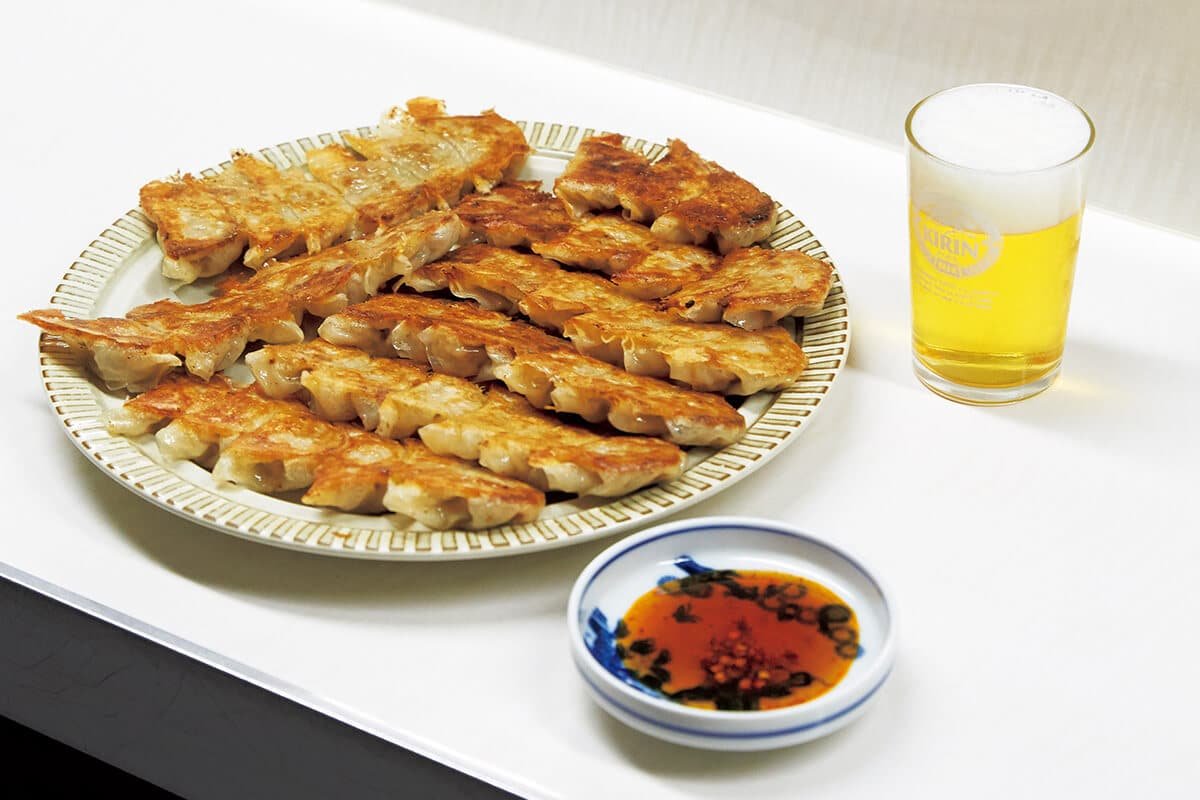
In Beppu's Kitahama district, ぎょうざ 湖月 occupies the kind of address that rewards those who know where to look: a gyoza specialist in a city better known for its onsen steam than its dumplings. The format is direct and the focus narrow, placing it in the category of single-dish establishments that define neighbourhood eating culture across provincial Japan.
Gyoza in a Hot Spring City: The Context That Makes ぎょうざ 湖月 Make Sense
Beppu is a city that runs on steam. The eight hells, the foot baths, the ryokan corridors smelling of sulfur at dawn — these are the things that pull travellers to this corner of Oita Prefecture. The eating culture, by contrast, tends to be quieter and more local in character: a network of small restaurants serving the residents who live here year-round rather than the visitors who pass through between onsen sessions. It is in this context that a gyoza specialist on Kitahama's narrow grid begins to make perfect sense. Our full 別府市 restaurants guide maps this broader eating scene, but ぎょうざ 湖月 sits in a specific niche within it: the single-dish establishment where the menu is narrow by design and the ritual of eating is correspondingly focused.
The Ritual of a Single-Dish House
Japan has a well-established tradition of restaurants that do one thing and pursue it with the kind of concentration that broader menus rarely allow. Ramen shops, tonkatsu counters, yakitori specialists, unagi houses — each format carries its own etiquette, its own pacing, its own way of framing the meal. Gyoza establishments belong to this tradition. The dish itself , thin-skinned dumplings, typically pan-fried to a lacquered crisp on one face while the leading remains soft and yielding , is deceptively simple to describe and genuinely difficult to execute at a consistent level across service. The ritual at this kind of restaurant is different from the drawn-out choreography of a kaiseki dinner at places like Gion Sasaki in Kyoto or the counter precision of Harutaka in Tokyo. Here, the meal is compressed, direct, and social in a different register: you order quickly, the gyoza arrive hot, and the work of eating begins almost immediately.
The posture of a single-dish house rewards a particular kind of attention from the diner. Without the distraction of a long menu, you end up watching the cooking more closely , the sound of dumplings hitting an oiled iron surface, the moment the lid comes off to let the steam escape, the colour of the crust. This is not the meditative slow-food experience of an omakase counter, but it is its own form of focus, and it is one that provincial Japanese restaurants have practised quietly for decades while the rest of the dining world chased novelty.
Kitahama and What It Signals
The address , Kitahama 1-9-4 , places ぎょうざ 湖月 in one of Beppu's flatter, more commercial stretches, close to the waterfront. Kitahama is not a tourist district. It is a working part of the city: travel agencies, small offices, local shops, the kind of streets that fill at lunch with people who actually live or work nearby. Restaurants in this zone tend to price and pitch themselves for regulars rather than visitors, which generally means better value and less performance. The contrast with, say, the more dramatic formats of destination dining at HAJIME in Osaka or the innovation-driven menus at akordu in Nara is almost total , and that contrast is the point. A gyoza specialist in Kitahama is not competing in the same arena as those venues. It is doing something categorically different, and doing it for a different audience with different expectations.
For a traveller arriving from elsewhere in Japan, ぎょうざ 湖月 sits on the opposite end of the dining spectrum from the high-commitment tasting menus at Goh in Fukuoka. That is not a criticism , it is a description. The value of knowing about a place like this is that it fills the lunch slot, the late-night slot, the slot when you want to eat like someone who actually lives in Beppu rather than someone who is visiting it.
Gyoza as a Regional Lens
Oita Prefecture does not have the same gyoza mythology as Utsunomiya or Hamamatsu , the two cities that have turned dumpling consumption into a civic identity, complete with road signs and annual volume statistics. But that relative obscurity is not a disadvantage. It means gyoza here exists outside the context of competitive regional pride, which creates space for individual restaurants to develop their own approach without the pressure of conforming to a defined local style. What a specialist like ぎょうざ 湖月 represents is a more personal, less codified version of the form: a place that exists because its owners believe in the dish, not because the city has designated it a heritage food. This is the category of restaurant that critics at publications ranging from local Oita guides to broader Japanese food media tend to return to precisely because the motivation is so clear.
For context on what focused, ingredient-driven Japanese cooking looks like at higher price points elsewhere in the country, 一本杉 川嶋制 in Nanao and 湖畔荘 in Takashima offer useful reference points, though the format and investment required are substantially different. Closer in spirit, if not in geography, are local neighbourhood specialists like Ikkyu no Namida (一休の泪) and Avatar Indian Restaurant (アブタール 別府鉄輪店), both operating within Beppu's broader eating culture and similarly oriented toward regulars.
Planning a Visit
ぎょうざ 湖月 is located at Kitahama 1-9-4 in Beppu's central district, within reasonable walking distance of the main waterfront area. As a neighbourhood gyoza specialist, it is the kind of place where turning up and ordering is the typical approach , no elaborate booking process, no dress considerations. That said, as with any small restaurant with a focused menu and a local following, arriving at peak lunch or early dinner hours without a wait is not guaranteed. Contact details and current hours are not published in available records, so confirming these directly before a visit is advisable. The practicalities here are minimal by design: the meal is fast, the format is casual, and the investment in time and money is low. Visitors staying near the waterfront, including those combining a meal with the Kitahama onsen strip, will find it a natural stop. For those building a broader Beppu itinerary that balances neighbourhood eating with more ambitious dining, the city guide is the right place to start.
Frequently Asked Questions
- What's the leading thing to order at ぎょうざ 湖月?
- As a gyoza specialist, the dumplings are the obvious anchor of any meal here. At single-dish houses of this type in Japan, the standard approach is to order the core item , pan-fried gyoza , and let the kitchen's approach speak for itself. Supplementary dishes, if available, are secondary to that central order.
- Should I book ぎょうざ 湖月 in advance?
- No published booking information is available for this restaurant. Neighbourhood gyoza specialists in provincial Japanese cities typically operate on a walk-in basis, though small capacity means peak hours carry some risk of a wait. Visiting slightly before or after the main lunch and dinner rush is a reliable strategy across this restaurant category.
- What's the signature at ぎょうざ 湖月?
- The restaurant's name signals its focus: gyoza is the signature. In Japan's single-dish specialist tradition, the establishment's identity is built around mastering one preparation rather than distributing attention across a broad menu. That focus is itself the statement.
- Is ぎょうざ 湖月 good for vegetarians?
- Gyoza in Japan is most commonly filled with pork and cabbage, and traditional recipes at specialist restaurants typically follow that convention. Without confirmed menu data from the venue, it is not possible to say whether vegetarian versions are offered. If this is a dietary priority, contacting the restaurant directly before visiting is the appropriate step , though published contact details are not currently available in this record. Beppu's broader dining scene, detailed in our 別府市 restaurant guide, includes other options worth considering.
- How does ぎょうざ 湖月 fit into Beppu's wider food culture?
- Beppu's eating culture is built substantially around its local population rather than tourist traffic, and neighbourhood specialists like this one are a core part of that texture. The restaurant's Kitahama address places it in a commercial district oriented toward residents, which is consistent with the single-dish specialist format seen across smaller Japanese cities. For a broader picture of where this restaurant sits within the city's dining offer, including higher-commitment options and other neighbourhood spots, the full 別府市 restaurants guide is the most useful reference.
Related editorial
- Best Fine Dining Restaurants in ParisFrom three-Michelin-star icons to the next generation of Parisian chefs pushing boundaries, these are the restaurants that define fine dining in the world's culinary capital.
- Best Luxury Hotels in RomeFrom rooftop terraces overlooking ancient ruins to Michelin-starred hotel dining, these are the luxury hotels that make Rome unforgettable.
- Best Cocktail Bars in KyotoFrom sleek lounges to hidden speakeasies, Kyoto's cocktail scene blends Japanese precision with global influence in ways you won't find anywhere else.
Save or rate ぎょうざ 湖月 on Pearl
Keep this venue in your Pearl passport, rate it after you visit, and track it alongside every other place you collect.