
Restaurant in Otaru, Japan
オタル ダイニング ノーネーム
100ptsShinonomecho Off-Grid Dining
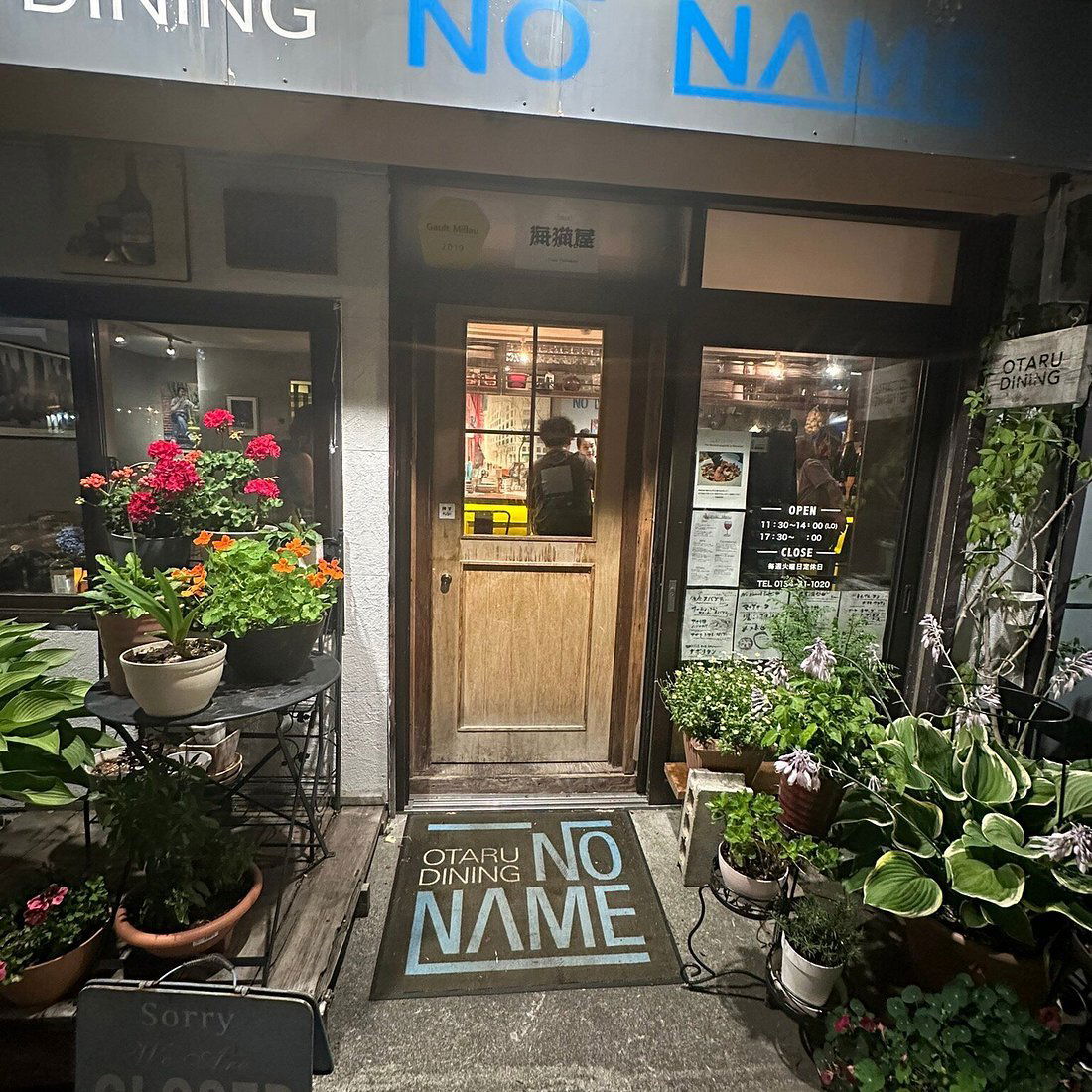
About オタル ダイニング ノーネーム
A dining address in Otaru's Shinonomecho district, オタル ダイニング ノーネーム sits within a port city whose seafood credentials run deeper than its canal-side tourism suggests. For travellers moving beyond Otaru's well-mapped sushi counters and uni specialists, it represents the quieter, less-categorised tier of local dining that rewards those willing to look past the obvious circuit.
Shinonomecho and the Otaru Dining Scene Beyond the Canal
Otaru has a reputation problem, in the leading possible sense. Visitors arrive expecting a picturesque canal town with a handful of well-publicised sushi bars, and they find exactly that. What they often miss is the residential and commercial fringe extending north and east of the tourist corridor, where addresses like 2-1 Shinonomecho place a restaurant at some remove from the clattering herring warehouses and the tour-group current. That geographical distance carries editorial weight: Shinonomecho is not a destination neighbourhood in the way that Sakaimachi Street is, which means a venue located there is not primarily trading on footfall.
This matters for how you approach オタル ダイニング ノーネーム. The name itself, which translates roughly as "Otaru Dining No Name," suggests a deliberate deflection of category. In a port city where most dining venues lead with their product (uni, crab, donburi, soba), a name that announces nothing specific is its own positioning statement. Whether that translates into a distinctive format, a chef-driven tasting menu, or a neighbourhood izakaya operating without self-promotion is, candidly, not something the available record confirms in sufficient detail to state with authority.
What Otaru's Dining Tiers Actually Look Like
To place any Otaru dining address accurately, it helps to understand how the city's restaurant scene stratifies. At the visible leading sits the specialty counter format: high-margin, seafood-driven, often oriented toward daytrippers from Sapporo (roughly 40 minutes by train on the Hakodate Main Line) or Chitose airport connections. Yoichiya Uni Specialty Restaurant and Otaru Seafood Donburi Restaurant Shinkai operate in this register, trading on Hokkaido's extraordinary shellfish and cold-water catch with formats designed for visitors on a defined itinerary.
Below and alongside that tier is a less-mapped group of venues serving the city's actual residents: the izakaya, the casual dining rooms, the places where the menu is not built around a photogenic donburi bowl. 伍堂鮨 and かまわぬ occupy parts of this second tier. A Shinonomecho address with a name that resists easy categorisation sits plausibly in this cohort, though the absence of recorded awards, a documented cuisine type, or a known price range makes any tighter positioning speculative.
What is not speculative is the broader quality signal that Hokkaido raw materials provide to any serious kitchen operating in the prefecture. Hairy crab, Bafun and Murasaki uni, Hokkaido scallop, and cold-water fish from the Sea of Japan all arrive at Otaru-area restaurants with supply chain advantages that comparable venues in Tokyo or Osaka would pay significant premiums to replicate. A kitchen in Otaru does not need to be ambitious in the destination-dining sense to serve produce that would impress in a different context. This applies regardless of whether the format is formal or casual, which is part of why even unlisted, lightly documented Otaru venues can deliver disproportionately relative to their profile.
How Otaru Fits the Hokkaido Premium Dining Circuit
For readers approaching Japan's northern island with a serious interest in food, the reference points tend to be Sapporo-anchored. 夕仙山乃 represents the kind of Sapporo address that frames the prefecture's upper dining register. Otaru's relationship to Sapporo is a little like Napa's relationship to San Francisco: the smaller city supplies the product identity, the larger city supplies the critical infrastructure and the audience. Venues in Otaru benefit from proximity to Sapporo's sophisticated dining public without being subject to its rents or competition density.
That dynamic explains why the quieter Otaru addresses can operate at genuine quality without generating the review volume or award attention of their Sapporo counterparts. Nationally recognised venues in Japan's more central cities, from Harutaka in Tokyo to Gion Sasaki in Kyoto to HAJIME in Osaka, operate within densely documented scenes where critical attention accumulates. Otaru does not. That gap between actual quality and critical documentation is a consistent feature of second-city dining in Japan, and Hokkaido venues sit well outside the Tokyo-Osaka-Kyoto axis that Michelin and the major guides have historically prioritised.
Planning a Visit to Shinonomecho
The practical reality of visiting a venue with no confirmed online presence, no listed phone number, and no documented booking method requires a different approach than the average restaurant research. In Japan, this situation is more common than it might appear: a significant proportion of neighbourhood dining rooms operate without an English-language web presence, and some operate without any digital footprint beyond a physical sign. The address (2-1 Shinonomecho, Otaru, Hokkaido 047-0026) is a navigable point via Google Maps from Otaru Station, which sits roughly 15 to 20 minutes from Sapporo by express train. Visitors intending to eat here would be well served by confirming hours and availability through their accommodation's front desk or through a Japanese-language search before arrival.
Otaru's visitor pattern skews strongly toward weekend and summer peak, with the canal district becoming considerably denser from late spring through early autumn and again during the Snow Light Path Festival in February. Shinonomecho's remove from the main tourist corridor may mean less pressure on availability outside peak periods, though this is inference rather than confirmed policy. See our full Otaru restaurants guide for a broader view of where the city's dining options cluster by neighbourhood and type.
For context on how Hokkaido dining fits within Japan's wider regional restaurant scene, the comparison set extends well beyond the island. Venues like akordu in Nara and Goh in Fukuoka illustrate the pattern of serious cooking operating in cities that sit outside the main critical axis. Internationally, the comparison to a high-documentation scene like New York, where Le Bernardin and Atomix operate within a fully mapped critical ecosystem, makes the Otaru situation legible: the absence of a record does not map onto absence of quality.
Frequently Asked Questions
- Is オタル ダイニング ノーネーム good for families?
- Without confirmed details on the venue's format, price range, or seating configuration, a definitive answer is not possible. Otaru's dining scene broadly accommodates family groups, particularly at casual and mid-range addresses. If a family visit is planned, verifying the format in advance, either via the accommodation concierge or by visiting in person, is the practical route given the absence of an online booking trail.
- What kind of setting is オタル ダイニング ノーネーム?
- The Shinonomecho address places it in a residential and light-commercial part of Otaru, away from the canal-side tourism strip. Without documented interior details or a confirmed style classification, the setting cannot be described precisely. In Otaru's context, venues at this type of address typically serve a local rather than visitor-primary clientele, which generally signals a less formal, lower-theatre environment than the city's high-profile seafood counters.
- What is the must-try dish at オタル ダイニング ノーネーム?
- No specific dishes are documented in the available record for this venue, and no menu details or chef credentials have been confirmed. In lieu of a dish recommendation, note that any Otaru kitchen with access to Hokkaido's seafood supply operates with a raw material advantage that makes the local catch a reasonable starting point at virtually any address in the city.
- How does オタル ダイニング ノーネーム compare to other local dining options for someone visiting Otaru on a single day?
- Otaru's better-documented addresses, including Yoichiya Uni Specialty Restaurant and Shinkai, carry confirmed formats and known specialties, which makes them lower-risk for a single-day visit where there is no margin for a closed door. オタル ダイニング ノーネーム's Shinonomecho location and its absence from major review platforms suggest it serves a local audience rather than day-trip traffic, which may make advance confirmation of opening times especially important for visitors with a fixed schedule.
Related editorial
- Best Fine Dining Restaurants in ParisFrom three-Michelin-star icons to the next generation of Parisian chefs pushing boundaries, these are the restaurants that define fine dining in the world's culinary capital.
- Best Luxury Hotels in RomeFrom rooftop terraces overlooking ancient ruins to Michelin-starred hotel dining, these are the luxury hotels that make Rome unforgettable.
- Best Cocktail Bars in KyotoFrom sleek lounges to hidden speakeasies, Kyoto's cocktail scene blends Japanese precision with global influence in ways you won't find anywhere else.
Save or rate オタル ダイニング ノーネーム on Pearl
Keep this venue in your Pearl passport, rate it after you visit, and track it alongside every other place you collect.