
Restaurant in Papeete, French Polynesia
54 Rue Paul Gauguin
100ptsPapeete Street Address Dining
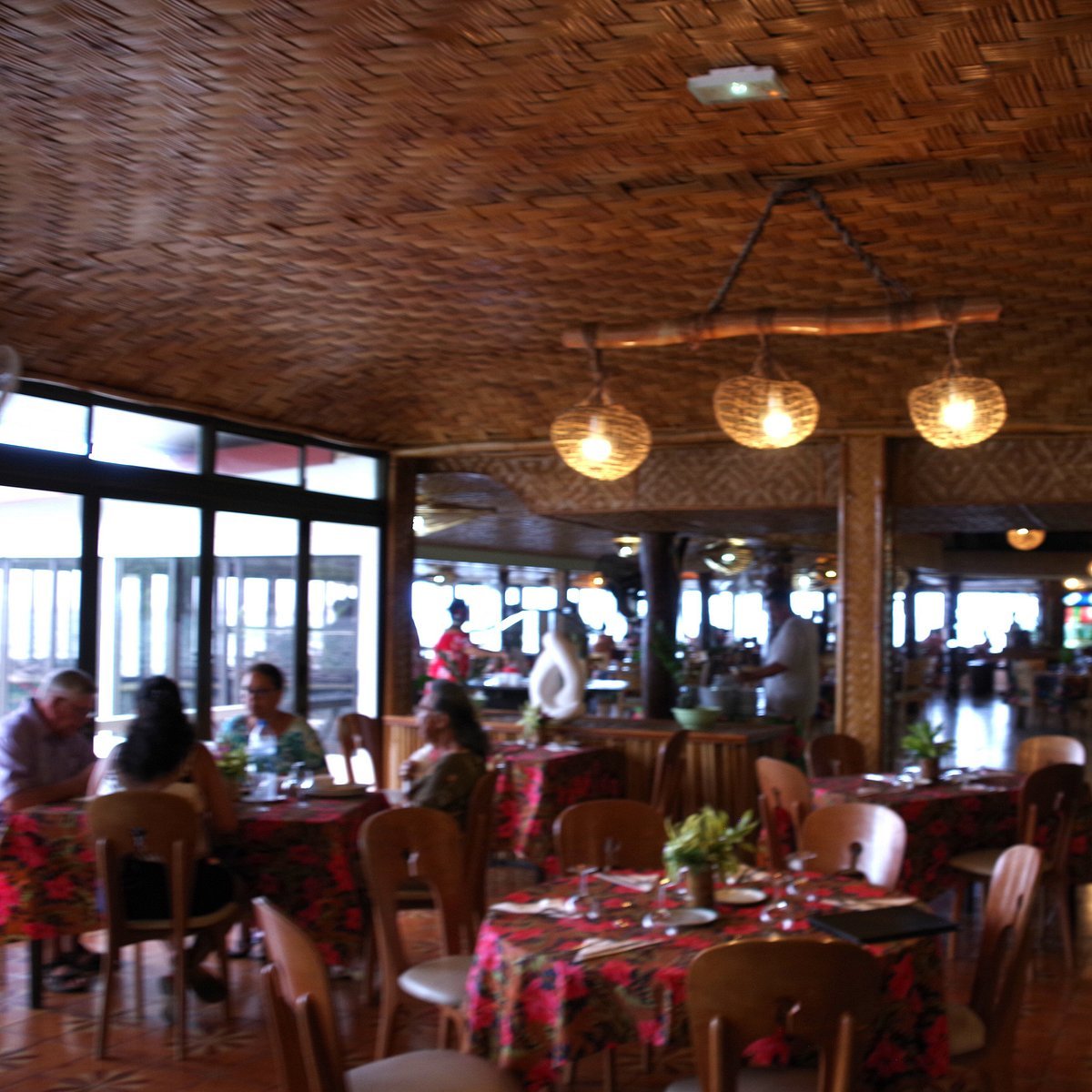
About 54 Rue Paul Gauguin
"Le Grillardin The very hungry come to Le Grillardin, on Rue Paul Gauguin near downtown, for very well-prepared, huge portions of foie gras. Yep, in French Polynesia . Of course, there's also excellent seafood, and reasonable prices for Papeete."
Rue Paul Gauguin and the Papeete Street Address That Carries a Name
Streets named after artists tend to accumulate meaning slowly. Rue Paul Gauguin in Papeete sits in the administrative heart of French Polynesia's capital, a city where French bureaucratic order has coexisted for generations alongside Polynesian market culture, Chinese trading families, and the particular pressure of being an island hub that supplies the archipelago. The address at number 54 places a venue squarely in that urban mix, a few blocks from the waterfront and within reach of the Marché de Papeete, the central market that remains the clearest indicator of what the islands grow, catch, and eat on any given morning.
Papeete is not a city that rewards visitors who stay at resort level. Its dining character is shaped less by hotel kitchens than by the street-level pragmatism of a working port capital, where tuna comes off boats and goes directly into preparations that owe something to France, something to China, and something to the Polynesian tradition of cooking around the lagoon. Understanding any address in central Papeete requires understanding that layered sourcing logic first.
What the Archipelago Places on the Table
The ingredient story in French Polynesia is both simpler and more complex than the French culinary inheritance might suggest. Simpler because the protein hierarchy is clear: yellowfin tuna, mahi-mahi, parrotfish, and crab dominate menus across the islands, caught in waters that remain among the less industrially fished in the Pacific. More complex because the land-side produce picture varies sharply between Tahiti and the outer islands. Tahiti grows breadfruit, taro, vanilla, and noni; the Marquesas, a flight away, supply different root vegetables and pork traditions. A kitchen in central Papeete sits at the distribution node for all of it.
That sourcing geography matters when reading any Papeete menu. Venues that draw from the Marché de Papeete, where outer-island producers and Tahitian farmers sell directly to buyers, are working with a different supply chain than those relying on import channels. The distinction between locally caught fish served the same day and refrigerated imports is not subtle on the plate. For context on what the market scene around Papeete looks like at street level, Café Maeva Marché de Papeete operates directly within that market environment. Across the city's mid-range French Polynesian dining tier, L'O A La Bouche represents a different register of the same French-Polynesian synthesis.
Where 54 Rue Paul Gauguin Sits in Papeete's Dining Structure
Papeete's restaurant options split into roughly three tiers. The hotel dining rooms, several of them attached to international properties, occupy the leading of the price range and pitch themselves at transit visitors and business travelers. The mid-tier covers French-inflected brasseries, Chinese-Polynesian hybrids, and fish-forward casual addresses. Below that runs the roulotte culture: the food trucks that park nightly near the waterfront and serve some of the most direct cooking in the city at prices that reflect no rent overhead. A street address on Rue Paul Gauguin places a venue in the middle geography of that structure, accessible to both locals and informed visitors.
The broader French Polynesian dining picture extends well beyond Papeete. On the outer islands, the sourcing constraints and the cooking styles diverge further from metropolitan French influence. Hawaiki Nui in Tahaa and Otemanu in Vaitape both represent the Polynesian-French register from within lagoon-side resort contexts. In the Marquesas, Le Kenae in Taiohae operates at still greater remove from the capital's supply chains. On Moorea, Holy Délices occupies a more casual register. The range across the archipelago clarifies what Papeete specifically offers: density and access, rather than the remoteness that defines cooking further out.
Other perspectives on the wider Polynesian dining tier include Blue Banana in Punaauia, Loula et Rémy in Taiarapu Est, O Belvédère in Pira E, and Restaurant Te Tiare in Faaa. For a full picture of where Papeete's dining sits across categories and price points, see our full Papeete restaurants guide.
The French Inheritance and Its Local Limits
French culinary technique arrived in Tahiti with the colonial administration and has persisted through everything from the nuclear testing era to the current tourism economy. What it produced locally is not a faithful copy of metropolitan French cooking. Butter-heavy preparations soften in a climate where coconut cream is cheaper and more available. Classical saucing gives way to preparations that work with the acidity of citrus, the heat tolerance of local diners, and the sheer quality of raw fish that needs less intervention than anything landing in a Paris market. The result is a culinary register that uses French vocabulary while building sentences from Polynesian syntax.
That synthesis is visible across the price spectrum. At the fine dining end of the French-influenced Pacific, venues like Alain Ducasse at Louis XV in Monte Carlo show what fully resourced French classical technique looks like; the reference is useful precisely because Papeete addresses are working under different constraints and priorities. Technically ambitious fish-focused cooking, such as what Le Bernardin in New York City has built over decades, illustrates a different lineage of respect for marine ingredients. The distance between those reference points and a mid-range Papeete address is not a failure of ambition so much as an honest reflection of market size, supply chain, and audience.
Planning a Visit to This Address
Visitors approaching 54 Rue Paul Gauguin should be aware that central Papeete dining operates on rhythms shaped by the city's function as a working port capital rather than a resort destination. Lunch tends to be the more serious meal in the mid-tier, when market produce is freshest and local office workers eat out in numbers. Evenings in this part of the city are quieter than the waterfront roulotte zone. The Marché de Papeete, a short walk away, opens early and closes by midday, and proximity to it is a meaningful signal about what a kitchen has access to at the start of service.
For visitors building a broader French Polynesia itinerary, the Lucky House Fare Manuia Restaurant in Bora Bora represents one benchmark for what resort-island dining delivers at a different price and format point. Those arriving via Los Angeles or San Francisco might hold Lazy Bear in San Francisco as a comparison for what chef-driven, locally-sourced tasting formats look like in a Pacific-facing city with more restaurant infrastructure. And for those interested in how ingredient-first, precision-led cooking develops in cities with strong culinary ecosystems, Atomix in New York City and Emeril's in New Orleans offer useful points of contrast. 8 1/2 Otto e Mezzo Bombana in Hong Kong extends that Pacific-adjacent fine dining comparison further into Asia.
Frequently Asked Questions
- Is 54 Rue Paul Gauguin good for families?
- Papeete's mid-tier dining addresses generally accommodate families without difficulty; the city's restaurant culture does not run toward high-formality formats that make children unwelcome.
- What is the atmosphere like at 54 Rue Paul Gauguin?
- If you are coming from a resort context expecting the lagoon-view setting common to outer-island dining, this is a city-centre street address with urban Papeete character rather than tropical-escape atmosphere. The feel will track closer to a working-capital brasserie than a beachside terrace; that applies across Papeete's central dining tier regardless of price point or recognition.
- What do people recommend at 54 Rue Paul Gauguin?
- Without confirmed menu data, specific dish recommendations cannot be made here. What French Polynesian kitchens in Papeete tend to do well, based on the sourcing advantages of the location, is fresh fish preparations drawing on daily market supply. Any venue on Rue Paul Gauguin within reach of the central market is positioned to work with tuna and lagoon fish at their freshest.
- Is 54 Rue Paul Gauguin reservation-only?
- In Papeete, reservation requirements vary sharply by format and price tier. Mid-range city-centre addresses often accommodate walk-ins at lunch, while dinner service at busier venues fills earlier than visitors expect given the city's relatively small population of regular diners. Given the absence of confirmed booking data for this address, calling ahead or checking locally on arrival is the prudent approach.
- What makes a Papeete street-address restaurant different from resort dining elsewhere in French Polynesia?
- A central Papeete address like 54 Rue Paul Gauguin operates within supply chains that outer-island resort kitchens cannot match: direct access to the Marché de Papeete, same-day catch from the port, and the Chinese-Polynesian-French ingredient crossover that defines the capital's cooking character. Resort dining across the archipelago, from Bora Bora to the Marquesas, trades that sourcing density for setting and service formality, typically at higher prices. For visitors whose priority is understanding how French Polynesian cuisine actually feeds the people who live here, a city-centre address gives a more accurate picture than a lagoon-side resort plate.
Related editorial
- Asia's 50 Best Restaurants 2026: The Chairman and Wing Go 1-2 from the Same BuildingThe Chairman takes No. 1 and Wing climbs to No. 2 at Asia's 50 Best Restaurants 2026. Both operate from the same Hong Kong building. Here's what it means.
- Four Seasons Yachts Debut: 95 Suites, 11 Restaurants, and a March 2026 Maiden VoyageFour Seasons I launches March 20, 2026, with 95 suites, a one-to-one staff ratio, and 11 onboard restaurants. Worth tracking if you want hotel-grade service at sea.
- LA Michelin Guide 2026: Seven New Restaurants from Tlayudas to Uzbek DumplingsMichelin's March 2026 California Guide update adds six LA restaurants and one Montecito newcomer, spanning Oaxacan tlayudas, Uzbek manti, and Korean-Italian pasta.
Save or rate 54 Rue Paul Gauguin on Pearl
Keep this venue in your Pearl passport, rate it after you visit, and track it alongside every other place you collect.