A restaurant so exceptional that it is considered worth visiting for a lifetime, no matter where it is located.
How many of these have you visited?
Discover on Pearl
Kyoto, Japan
A 12-seat Spanish kaiseki counter in Nihonbashi that has held Tabelog Gold every year since 2022, scoring 4.67 in 2026 and ranking among Japan's top 26 restaurants on Opinionated About Dining. The format fuses Spanish culinary technique with Japanese seasonal discipline in a reservation-only room that prices dinner between JPY 60,000 and JPY 79,999.

Tokyo, Japan
Eight counter seats in Higashiazabu, open since June 2016, with Tabelog Gold recognition every year from 2018 through 2026 and a Tabelog score of 4.64. Amamoto sits in Tokyo's most competitive Edomae sushi tier, where the course starts at 52,800 yen plus a ten-percent service charge, and review-based spending typically reaches the 80,000–99,999 yen band.

Tokyo, Japan
AO Tokyo elevates ingredient-driven fine dining through Chef Koji Minemura's French-Japanese fusion, where daily-changing omakase menus showcase personally-sourced seasonal ingredients from across Japan. This intimate Nishiazabu destination combines rooftop garden freshness with zero-waste philosophy, creating Tokyo's most authentic producer-to-plate experience since 2020.

Tokyo, Japan
Sushi Arai has held Tabelog Gold every year from 2020 through 2026, placing it among a small tier of Ginza counters recognised by both Japan's largest review platform and La Liste's international ranking. Chef Yuichi Arai opened the basement-level room in Ginza 8-chome in 2015, and the nigiri-focused format has drawn sustained critical attention across domestic and international circuits.

Fukuoka, Japan
A nine-seat counter in Fukuoka's Yakuin district, Chikamatsu has held Tabelog Gold since 2021 and ranks among Japan's top sushi counters on Opinionated About Dining. Chef Nobuhiro Sakanishi runs a reservation-only omakase at JPY 30,000–39,999, accessible only through personal introduction. New reservations are not currently being accepted.

Yaizu, Japan
An eight-seat counter in a residential quarter of Yaizu, Chiso Nishikenichi has earned Tabelog Gold in 2025 and 2026 and a Tabelog score of 4.56, placing it among Japan's top-ranked French restaurants. Chef Kenichi Nishi builds course menus around fresh fish from nearby Suruga Bay, priced between JPY 15,000 and JPY 19,999 for both lunch and dinner. Reservations are available and the restaurant operates from a converted house.

Kyoto, Japan
A kaiseki counter in Kyoto's Sakyo Ward that has climbed from rank 60 to rank 19 on Opinionated About Dining's Japan list in two years, while scoring 83 points on La Liste 2026. Doujin operates evenings only, seven days a week, placing it in the tier of serious destination dining without the institutional weight of the city's older houses.

Osaka, Japan
Honkogetsu Osaka elevates kaiseki cuisine to spiritual artistry in a historic Hozenji Yokocho tea house, where Chef Hideo Anami's five-decade mastery creates seasonal tasting menus around a legendary 600-year-old hinoki counter. This intimate three-story sanctuary represents the pinnacle of traditional Japanese fine dining.

Kyoto, Japan
Iida holds a Tabelog Gold Award every year from 2018 through 2026 and a 4.60 score on Japan's most demanding review platform, placing it among Nakagyo's most consistently recognised kaiseki counters. The ten-seat room — six counter seats and a four-person tatami private room — operates evenings only, with dinner averaging JPY 50,000–59,999. Reservations are essential and credit cards are not accepted.
Tokyo, Japan
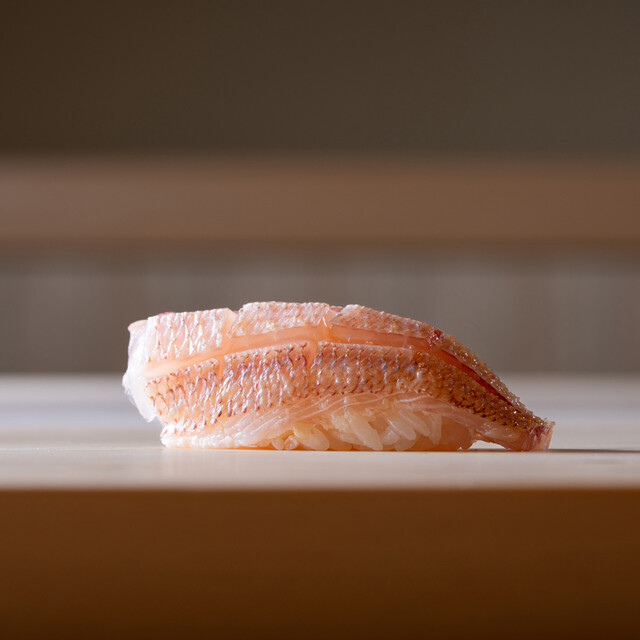
Opened in August 2024 on the third floor of a Ginza office building, Sushi Ikkou earned a Tabelog Award Gold and a 4.64 score within its first full year — a rate of recognition that places it among the fastest-credentialed new omakase counters in Tokyo. The eight-seat counter runs two seatings per evening, six nights a week, with dinner averaging JPY 60,000–79,999.

Tokyo, Japan
Yakitori Kasahara operates from a 10-seat counter in Kagurazaka, holding Tabelog Gold awards consecutively from 2024 through 2026 and a 4.57 score that positions it among Japan's most decorated yakitori counters. Opened in December 2021, it runs two sittings nightly, Monday through Saturday, at a dinner spend of JPY 30,000–39,999. Reservations are essential and cancellation terms are strict.

Kanazawa, Japan
An eight-seat kaiseki counter in Kanazawa's Namikimachi district, Kataori has held Tabelog Gold every year from 2021 through 2026, scored 4.72, and ranked first in Japan on Opinionated About Dining in 2025. The counter format, a particular focus on fish, and a deep commitment to Ishikawa's seasonal calendar place it among the most closely watched kaiseki addresses outside Kyoto and Tokyo.

Tokyo, Japan
A nine-seat French counter in Kobe's Kitanozaka district, Kinoshita holds a Tabelog Gold Award (4.57, 2026) and sits among the Kansai region's most closely watched French tables. The prix fixe format centres on a fish-focused approach with a wine program led by an in-house sommelier. Dinner runs JPY 20,000–29,999; lunch offers comparable depth at a lower entry point.

Mie, Japan
Komada in Ise is an intimate sushi counter in Mie presenting focused, seasonal Edo-style sushi. Must-try items include the Omakase Nigiri, Seasonal Mie Tuna Nigiri and a delicate Chawanmushi with dashi. Chef Kenri Komada prepares each piece at a six-seat counter, a chef-led tasting experience that earned a Tabelog Silver Award 2025 and a 4.53 score. Expect precisely cut fish, warm vinegared rice, and the clean mineral air of Ise in every bite. The experience pairs quiet, attentive service with regional seafood, creating a memorable evening for diners seeking refined, small-group sushi dining in Ise City.

Tokyo, Japan
Matsukawa has held the Tabelog Gold Award every year since 2017 and carries a La Liste score of 99 points, placing it among the most consistently recognised kaiseki addresses in Tokyo. Operating from Akasaka since March 2011, the restaurant runs on a referral-only reservation system across just 22 seats. Dinner runs from JPY 80,000 to JPY 99,999, with lunch somewhat lower, and cash is the only accepted payment.

Tokyo, Japan
A six-seat counter in Yotsuya that has held Tabelog Gold status continuously since 2019, Mitani operates at the quieter end of Tokyo's elite omakase circuit, away from the Ginza concentration. Chef Yasuhiko Mitani runs one of the city's most recognition-dense sushi rooms, scoring 4.52 on Tabelog and ranking 28th in Japan on Opinionated About Dining 2025, with dinner averaging JPY 50,000–59,999.

Shizuoka, Japan
Tempura Naruse holds a Tabelog score of 4.65 and consecutive Gold awards from 2023 through 2026, placing it among Japan's most decorated tempura counters outside Tokyo. The eight-seat room in Shizuoka's Aoi Ward operates by reservation only, with dinner running into the JPY 40,000–49,999 range. Chef Takeo Shimura's counter draws serious diners who make the journey specifically for it, not as an afterthought to the city.

Karuizawa, Japan
Opened in June 2025 in the Oiwake district of Karuizawa, Restaurant Naz earned a Tabelog Gold Award within its first year of operation and holds a 4.46 score on Japan's most rigorous review platform. Chef Natsuki Suzuki leads an innovative tasting format priced at JPY 60,000–79,999 per dinner, positioning the restaurant firmly among Japan's serious destination tables outside the major cities.

Kyoto, Japan
An eight-seat Cantonese counter in Kyoto's Kita Ward, Ninshurou has earned Tabelog Gold consecutively from 2024 to 2026, with a score of 4.62 and a La Liste rating of 95 points in 2026. Operated by chef Makoto Ueoka and open since November 2019, it operates on a reservation-only basis with dinner priced between JPY 30,000 and JPY 49,999 per person based on reviews.

Kyoto, Japan
Ogata in Kyoto's Shimogyo Ward holds Tabelog Gold in 2026 and two Michelin stars, placing it firmly in Kyoto's top tier of kaiseki. The 16-seat room — eight counter places plus one private room — runs two seatings nightly, with dinners averaging JPY 60,000–79,999. Tabelog's "100 Best Japanese Cuisine West" recognition and a La Liste score of 96 points confirm its standing in Japan's most competitive culinary conversation.

Yaizu, Japan
Chakaiseki Onjaku holds Tabelog Gold consecutively from 2023 through 2026 and a score of 4.58, placing it among Japan's top-ranked Japanese cuisine restaurants despite operating from a quiet residential address in Yaizu, Shizuoka. The format is tea kaiseki only, served across 12 seats, with a menu built around the port city's exceptional fish supply. Reservations are required and made in advance through the venue website.

Tokyo, Japan
Akasaka Raimon occupies a 13-seat counter on the fourth floor of a Minato ward office building, operating dinner-only by reservation. A Tabelog Gold Award winner in 2026 and consistent fixture on the Tabelog Yakiniku 100 since 2019, it holds a 4.56 score and sits in the serious upper tier of Tokyo yakiniku. Dinner runs JPY 15,000–19,999 at listed rates, with cash only.

Tokyo, Japan
Sushi Saitou occupies the upper tier of Tokyo's omakase scene, holding a Tabelog score of 4.62 and consecutive Gold Awards since 2017. Located in Roppongi's Ark Hills South Tower, the nine-seat counter operates on reservations only at JPY 50,000–59,999 per head. It ranks #2 in Japan and #33 in Asia on Opinionated About Dining's 2025 lists, placing it among the most peer-validated sushi counters in the country.

Osaka, Japan
A Tabelog Gold Award winner since 2024 and Michelin one-star recipient, Sushi Sanshin operates an eight-seat counter in Osaka's Chuo Ward, serving lunch only across two sessions. Chef Yoshitaka Ishibuchi works within classic Edomae tradition while introducing considered departures — herb-wrapped norimaki, tiger prawn dressed with prawn miso — that have earned the counter a 4.61 Tabelog score and a place in the Tabelog Sushi WEST Top 100 for three consecutive years.

Osaka, Japan
A six-seat kaiseki counter in Osaka's Fukushima district, SAWADA has earned Tabelog Silver Awards in both 2025 and 2026, alongside selection for the Tabelog Japanese Cuisine WEST 100 list. The kitchen minimises seasoning to let dashi and ingredient quality carry the work. Dinner runs JPY 20,000–29,999, with review-based averages tracking closer to JPY 30,000–39,999.

Tokyo, Japan
Opened in February 2017 in Minamiazabu, Sazenka sits at the intersection of Chinese technique and Japanese seasonal sensibility, earning Tabelog Gold every year since 2019 and a place on the World's 50 Best Restaurants list. Chef Tomoya Kawada's 28-seat house restaurant operates on the principle of wakon-kansai — Japanese spirit expressed through Chinese culinary learning — with dinner averaging JPY 50,000–59,999.

Tokyo, Japan
Opened in November 2020 in Shirokane, Minato, Shimazu has climbed steadily through Tabelog's recognition tiers — Bronze in 2022, Silver through 2025, and Gold in 2026 — earning a score of 4.58 and a place in the Tabelog Sushi Tokyo 100 across three consecutive cycles. Eight counter seats, two nightly sessions, and an average spend of JPY 40,000–49,999 position it firmly in Tokyo's serious omakase tier.

Tokyo, Japan
Shimbashi Hoshino holds Tabelog Gold recognition every year from 2017 through 2026 and ranks 7th on Opinionated About Dining's Japan list for 2025, placing it among the most consistently decorated kaiseki tables in Tokyo. Dinner runs JPY 60,000–79,999 and operates Tuesday through Saturday from 18:00. Access is by referral only, making early planning essential.

Nagoya, Japan
Shumoku-cho Shimizu holds consecutive Tabelog Gold Awards (2025 and 2026) and a 4.59 score, placing it among Nagoya's most recognised kaiseki counters. The 12-seat room in Higashi Ward serves dinner-only kaiseki rooted in Gifu seasonal produce, with an average spend of JPY 40,000–59,000. Reservations are accepted online only, and the room operates Monday through Saturday from 18:00.

Tokyo, Japan
Ginza Shinohara holds two Michelin stars and a La Liste score of 93 points, placing it in the upper tier of Tokyo's kaiseki circuit. Chef Takemasa Shinohara draws on Kyoto training and a Shiga upbringing to produce a menu that moves between classical Japanese structure and the wilder registers of satoyama country cooking — bear, boar, and earthenware-cooked rice alongside seasonal hassun platters.

Shizuoka, Japan
A reservation-only eel kaiseki counter in Aoi Ward, Shizuoka, Unagi Shun holds a Tabelog Gold Award for 2026 with a score of 4.62 and has appeared on the Opinionated About Dining Japan list every year since 2023. The 12-seat room operates Wednesday through Sunday only, with an evening omakase course from JPY 18,000. Credit cards are not accepted.

Kyoto, Japan
An eight-seat counter in Gion's Minamigawa district, Sottaku Tsukamoto has held Tabelog Gold status consecutively since 2024 and carries a score of 4.56 from Japan's most widely consulted restaurant platform. Dinner runs JPY 30,000–39,999, reservations are accepted by phone only, and the waiting list is effectively closed to first-time guests without a personal introduction. Cash payment is required.

Tokyo, Japan
Nihonbashi Kakigaracho Sugita has held the Tabelog Gold Award every year from 2017 through 2026, placing it among the most consistently recognised Edo-mae sushi counters in Tokyo. The nine-seat room in Chuo Ward operates on reservation only, with pricing that sits in the JPY 40,000–49,999 range per person. Opinionated About Dining ranked it tenth among all Japanese restaurants in 2025.

Tokyo, Japan
A ten-seat tempura counter in Azabu-Juban, Takiya has earned Tabelog Gold in 2026, 2024, and 2022, alongside a 4.55 score and placement in the Tabelog Tempura Top 100. Ranked 7th in Japan by Opinionated About Dining in 2023 and awarded 97 points by La Liste in 2026, it operates on reservations only, with dinner running from 17:30 in two seatings. Chef Tatsuaki Kasamoto presides over one of Tokyo's most decorated tempura counters.

Kyoto, Japan
A Tabelog Gold Award winner operating from a traditional sukiya-style house in Kyoto's Kamigyo Ward, Tokuha Motonari holds a Michelin star and a Tabelog score of 4.52. Chef Shinya Matsumoto draws on experience as a fisherman and broker in the Hokuriku region to source fish unavailable through standard supply chains, with chargrilling techniques that set the kitchen apart from the city's kaiseki mainstream.

Iida, Japan
Yukimoto holds Tabelog Gold for three consecutive years and ranks 46th among Japan's restaurants on Opinionated About Dining (2025), yet operates from a quiet residential address in Iida, a city most travelers pass through rather than stop for. Chef Takayuki Hagiwara's kaiseki draws on the seasonal produce of the Southern Alps, served across 20 seats in a tatami-room setting at JPY 30,000–39,999 per person.
Find out on Pearl and keep score across every place in 2026 Tabelog Gold.
Overview
The 2026 Tabelog Gold awards recognize 36 restaurants across 11 Japanese cities, with Kyoto's Aca 1° claiming the top position. This edition represents a near-complete overhaul of the previous year's list, with 35 new entrants and only 1 restaurant retaining its place. Tokyo leads with the most awarded venues, followed by Kyoto and Osaka.
This edition shows the most dramatic shift in Tabelog Gold history, with 160 restaurants from the previous edition dropping out and 35 new venues entering. The geographic spread extends across 11 cities, from Fukuoka in the south to northern prefectures. Tokyo dominates the top 10 with four restaurants (東麻布 天本 - Amamoto, AO, Arai, and Sushi Ikkou), while Kyoto claims three spots including the number one position. The change in leadership from Abon to Aca 1° signals a shift in Tabelog's evaluation priorities or a significant evolution in Japan's dining landscape. Only one restaurant managed to maintain its Gold status year-over-year, making this the most volatile edition to date.
The 2026 Tabelog Gold list underwent a near-total transformation, with 35 new restaurants replacing all but one venue from the previous edition. Kyoto's Aca 1° now holds the top position, displacing last year's leader Abon, which didn't make the cut this year. Of the 36 restaurants recognized, Tokyo claims the largest share, though the honors spread across 11 cities nationwide. This edition represents the most dramatic reshuffling in the award's history, with 160 previous honorees dropping out entirely. If you're planning reservations around this list, understand that last year's guide is essentially obsolete.
The 2026 edition marks a complete recalibration of Tabelog Gold standards. With only 1 restaurant retained from the previous year's 161 venues, this isn't an evolution—it's a reset. The 35 new entrants suggest either a fundamental change in evaluation criteria or a deliberate effort to surface under-recognized establishments.
Geographically, the list spans 11 cities, maintaining Japan's regional diversity while concentrating recognition in Tokyo (home to four of the top 10). Kyoto secures three top-10 positions including the overall winner, Aca 1°. Osaka, Fukuoka, and Yaizu round out the top 10, with Chikamatsu in Fukuoka and Chiso Nishikenichi in Yaizu demonstrating that Gold status extends well beyond the Tokyo-Kyoto corridor.
The collapse from 161 to 36 total venues represents a significant tightening of standards. Whether this reflects pandemic-related closures, stricter evaluation thresholds, or a strategic decision to create a more exclusive designation isn't clear from the data. What's certain: a 2025 Tabelog Gold designation carries no predictive weight for 2026. Plan accordingly.