
A regional extension of the World’s 50 Best Restaurants awards, ranking the top dining destinations across Latin America. The list highlights culinary leadership, innovation, and regional influence.
How many of these have you visited?
Discover on Pearl
Bogota, Colombia
Among Bogotá's most globally recognised modern Colombian restaurants, El Chato has held a position inside the World's 50 Best since 2023 — reaching #25 in 2024 — while keeping the format deliberately relaxed. Chef Álvaro Clavijo applies European technique to native Colombian ingredients, producing a menu that reads as a producer ledger as much as a dining list. Reservations are taken for lunch and dinner Tuesday through Sunday, with Sunday service closing at 4 pm.

Lima, Peru
Kjolle sits in Barranco's Casa Tupac, where Pía León — named World's Best Female Chef and the chef behind Central's rise — runs a tasting menu built entirely from Peru's ingredient treasury. Ranked #16 on the World's 50 Best Restaurants in 2024 and #5 in South America by Opinionated About Dining in 2025, the restaurant applies months of research to each ingredient without obscuring what it is. Open Tuesday through Saturday for lunch and dinner.

Buenos Aires, Argentina
Don Julio holds a Michelin star and a top-ten World's 50 Best ranking, placing it at the apex of Buenos Aires' parrilla tradition. Booking two months ahead is standard; walk-in queues form close to opening time. The wine cellar runs to 60,000 bottles, and the beef — Aberdeen Angus and Hereford, dry-aged in-house — is sourced from the restaurant's own regenerative farm outside the city.

Lima, Peru
In Barranco, Lima's most creatively charged neighbourhood, Mérito has built a serious reputation by threading Venezuelan culinary memory through Peruvian ingredients and technique. Ranked #55 on the World's 50 Best Restaurants in 2024 and #6 in South America by Opinionated About Dining in 2025, the two-floor restaurant on Jr. 28 de Julio draws both local regulars and informed international visitors. The chef's counter remains the most coveted seat in the house.

Cartagena, Colombia
Located in Getsemaní, Cartagena's most culturally layered neighbourhood, Celele translates years of field research along Colombia's Caribbean coast into a focused a la carte menu. Ranked #21 in South America by Opinionated About Dining (2025) and holder of a Sustainable Restaurant Award, it works with ingredients from wild harvests and Indigenous food traditions that most Colombian restaurants have never touched.

Santiago, Chile
Boragó has held a place in the World's 50 Best Restaurants every year since 2015, and its tasting menu, Endémica, remains one of South America's most rigorous expressions of native-ingredient cooking. Chef Rodolfo Guzmán works with over 200 foragers and small producers across Chile, drawing from coastlines, high-altitude terrain, and a biodynamic orchard to build a menu rooted in Mapuche food culture.
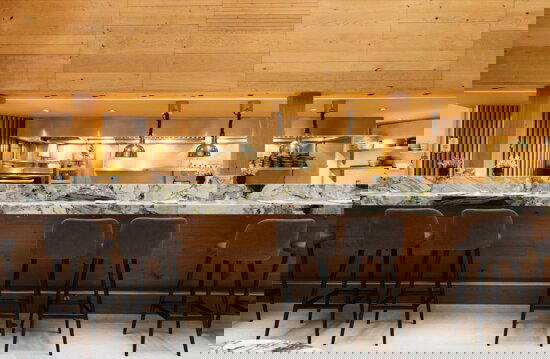
Mexico City, Mexico
Quintonil holds two Michelin stars and ranked #7 on the World's 50 Best Restaurants list in 2024, placing it among the most closely watched restaurants in the Americas. Chef Jorge Vallejo's tasting menu draws on fresh local produce, traditional Mexican technique, and a counter section serving insect-based tacos that distills the kitchen's priorities into a single, direct statement.
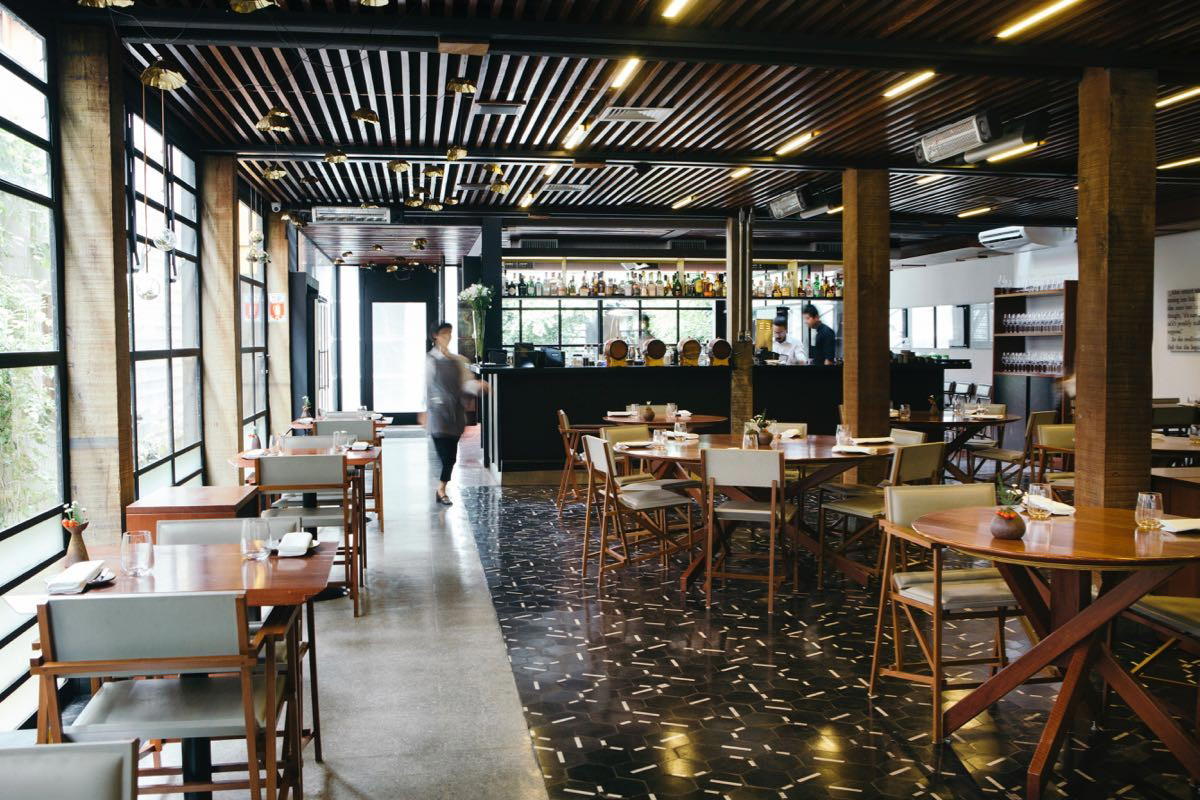
São Paulo, Brazil
Tuju holds two Michelin stars and a place at number 70 on the World's 50 Best list (2025), positioning it among a small group of São Paulo restaurants that have turned the city's multicultural density into a coherent creative program. Chef Ivan Ralston Bielawski works from seasonal Brazilian ingredients, and the wine list — 910 selections, 3,500 bottles in inventory — ranks among the strongest in South America by Star Wine List criteria.

San Isidro, Peru
A Modern Mexican kitchen operating inside San Isidro's predominantly Peruvian dining scene, Cosme has earned consecutive Opinionated About Dining recognition and a La Liste placement in 2025. The format centers on comfort-driven plates built from fresh, seasonal ingredients, with a communal dining room that sets a deliberately informal register against the neighborhood's more formal restaurant culture.

Quito, Ecuador
Ranked 61st on the World's 50 Best Restaurants list in both 2024 and 2025, Nuema is where Quito's contemporary dining conversation is most seriously happening. Chefs Alejandro Chamorro and Pía Salazar run a seasonally driven tasting menu that maps Ecuador's biodiversity through angular plating, bold colour, and layered flavour. Open Tuesday through Saturday for lunch and dinner, closed Sunday and Monday.
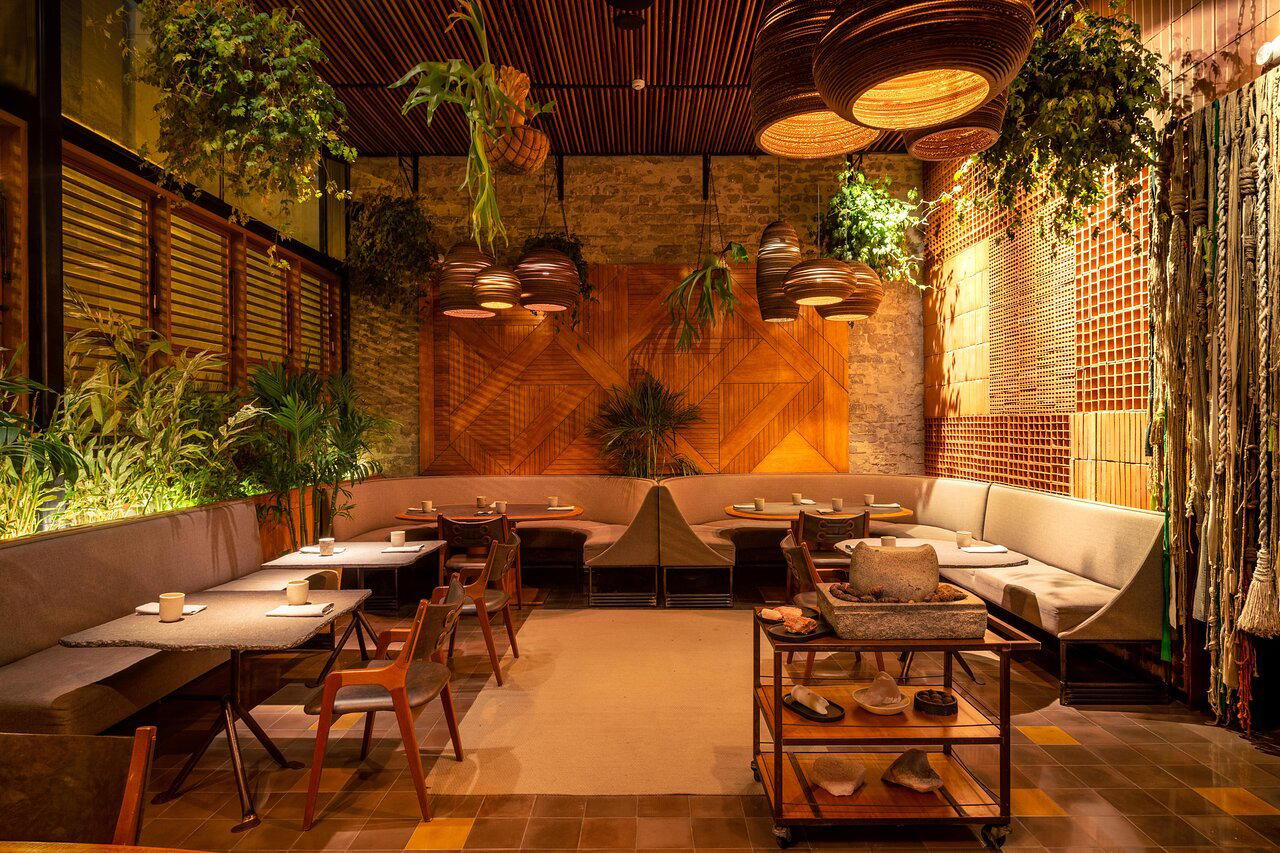
Lima, Peru
Ranked #41 on The World's 50 Best Restaurants in 2024, Mayta has been among Lima's most consistent modern Peruvian addresses since relocating and relaunching in 2018. Chef Jaime Pesaque structures the menu around Peru's regional biodiversity, from Amazonian fish to Andean algae, across a nine-course tasting format and a parallel plant-based programme that earned a fifth radish in the We're Smart Green Guide.

São Paulo, Brazil
An all-female kitchen led by chef Tássia Magalhães defines Nelita in São Paulo’s Baixo Pinheiros, where modern Italian-inflected cuisine meets a natural-wine–driven cellar in a stylish, brick-and-marble space.

Rio de Janeiro, Brazil
Lasai holds two Michelin stars, a place on The World's 50 Best Restaurants list, and the title of Best Restaurant in Brazil 2024. Chef Rafa Costa e Silva's 15-course tasting menu, fed by two private gardens, runs just 10 guests around a single L-shaped counter in Humaitá. This is Rio's most decorated modern restaurant, and one of the most precisely considered dining formats in South America.

Santiago, Chile
What began as a beachside kitchen in Cachagua has translated into one of Santiago's most committed seafood addresses, now operating from Vitacura's Alonso de Córdova strip. Casa Las Cujas draws directly from Chile's Pacific coastline, bringing the marine produce and coastal kitchen sensibility of the central coast into a city dining room. For seafood in Santiago, it sits in a distinct peer set alongside La Calma by Fredes.

Guadalajara, Mexico
Alcalde has held a place in the World's 50 Best Restaurants three years running — ranking as high as #51 in 2025 — making it the most decorated table in Guadalajara. Chef Francisco 'Paco' Ruano builds his menu from local Jalisco ingredients and masa-forward technique, with training at Mugaritz, El Celler de Can Roca, and Noma shaping a kitchen that reads as deeply Mexican in result if not in method.

Valle de Guadalupe, Mexico
Set within the grounds of Bodegas de Santo Tomás in Valle de Guadalupe, Villa Torél holds back-to-back Michelin Bib Gourmand recognition for 2024 and 2025 under Chef Alfredo Villanueva. The kitchen practices proximity cuisine, drawing from coastal waters, local gardens, and Baja ranches, then threading those ingredients through a framework of Mexican technique and European influence. Google reviewers rate it 4.7 across 190 submissions.

Valle de Guadalupe, Mexico
Fauna sits within Bruma Wine Resort in Valle de Guadalupe, where chefs David Castro Hussong and Maribel Aldaco Silva run a daily-changing menu built entirely around seasonal, local ingredients. Recognised by La Liste among the world's top restaurants in 2026, it occupies the upper tier of Baja's serious dining scene, where architecture, terroir, and experimental cooking meet at one of Mexico's most compelling tables.

Panama City, Panama
Panama's most internationally recognised restaurant, Maito occupies a firm position on the Latin America's 50 Best list and ranked #9 on Opinionated About Dining's Casual North America list in 2025. Chef Mario Castrellón builds a menu around Panamanian ingredients sourced from indigenous communities, framing traditional cuisine through a contemporary land-and-sea structure. Open Monday through Saturday in Obarrio's Kenex Plaza.

Guatemala City, Guatemala
Sublime Restaurant sits in Guatemala City's Zona 14 with a 12-course tasting menu that traces Guatemalan history from pre-Columbian origins through Spanish colonial syncretism to the country's culinary present. Chef Sergio Díaz and anthropologist Jocelyn Degollado collaborate on a format that places Guatemala City on the regional tasting-menu circuit, recognised by Opinionated About Dining's 2025 Top Restaurants in North America list.

São Paulo, Brazil
Evvai holds two Michelin stars and a place in the World's 50 Best at number 95, making it one of São Paulo's most decorated restaurants. Chef Luiz Filipe Souza's single tasting menu, Oriundi, channels the Brazilian-Italian migrant tradition through technically precise cooking and local ingredients. Pinheiros, Tuesday through Saturday evenings, with Saturday lunch service also available.

Buenos Aires, Argentina
Niño Gordo occupies a particular position in Buenos Aires dining: a Michelin Plate-recognised restaurant on Thames in Palermo Soho that applies East and Southeast Asian grilling techniques to Argentine ingredients and the open-fire tradition of the parrilla. The result is a kitchen that reads as fusion without apology, backed by Germán Sitz and Pedro Peña, set inside a red-saturated space drawn from Asian pop culture references.

Tulum, Mexico
Ranked #67 on the World's 50 Best Restaurants list in 2025 and a consecutive Michelin Plate holder, Arca sits at km 7.6 on the Tulum-Boca Paila road and operates as a serious argument for the Yucatán Peninsula as a destination in its own right. Chef José Luis Hinostroza runs a micro-seasonal, open-fire menu rooted in Mexican ingredients and Mayan jungle surroundings, open nightly from 5 to 11 pm.

Bogota, Colombia
Leo has held a place in the World's 50 Best Restaurants every year since 2019, peaking at #43 in 2023 and sitting at #76 in 2025. Chef Leonor Espinosa's seasonal tasting menu moves through Colombia's ecosystems — Amazon, Caribbean, Pacific coast — using indigenous ingredients that rarely appear on any menu outside their region of origin. It is the most externally validated address in Bogotá's modern Colombian dining scene.

Buenos Aires, Argentina
A Buenos Aires bodegón transformed into a fully-fledged restaurant in 2019, El Preferido de Palermo runs classic Spanish and Italian-inspired dishes through the same operational rigour as its sibling, the celebrated steakhouse Don Julio. Ranked 25th in South America by Opinionated About Dining in 2025 and recognised with a Michelin Plate, it operates in a different price bracket from its stablemate but holds its own on produce quality and craft.

São Paulo, Brazil
A Casa do Porco sits at the intersection of democratic pricing and serious culinary ambition in downtown São Paulo. Chef Jefferson Rueda's whole-animal pork programme has earned a World's 50 Best ranking (#83 in 2025, previously as high as #7 in 2022) and a Michelin Bib Gourmand, placing this República address in a different competitive tier from the tasting-menu circuit that surrounds it.
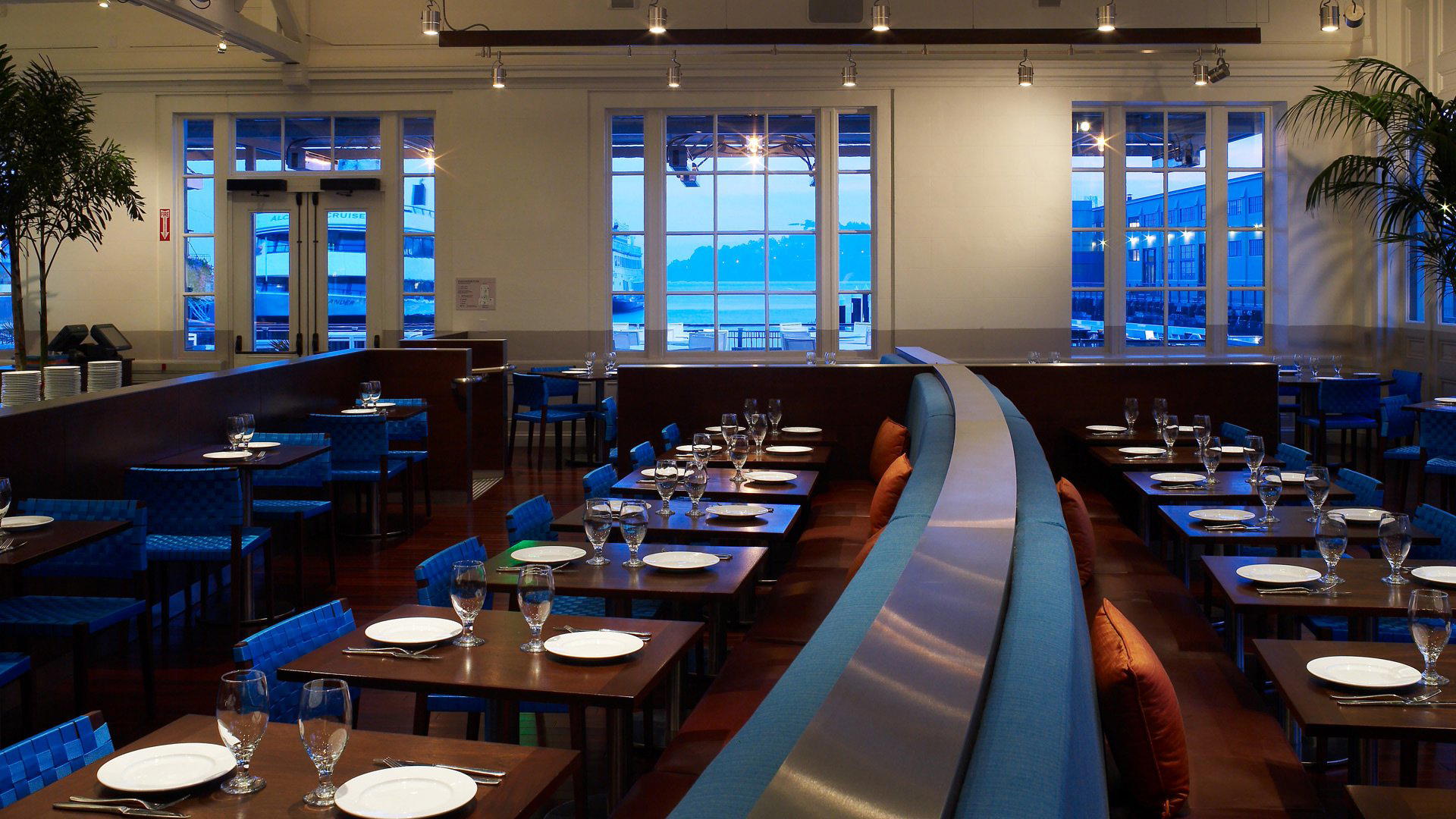
Lima, Peru
La Mar Cebichería in Miraflores is Gastón Acurio's dedicated ceviche house, ranked #31 among South America's top restaurants by Opinionated About Dining in 2024. Open daily for lunch service, the Av. La Mar address has become a reference point for Peru's ceviche tradition, drawing on fresh seafood and combinations that range from the traditional to the vegetable-forward. Chef Anthony Vasquez leads the kitchen.

Buenos Aires, Argentina
El Mercado at Faena Hotel brings the Argentine asado tradition into an open-air format shaped by European market sensibility. The kitchen anchors its menu to open-fire-cooked beef raised exclusively on Pampas and Patagonian pastures, placing it in the small tier of Buenos Aires restaurants where the sourcing brief is as specific as the cooking method. The setting, al fresco within one of the city's most architecturally deliberate hotel properties, adds a dimension that indoor parrillas cannot replicate.

Santiago, Chile
Yumcha in Providencia pairs a 10-course pescatarian tasting menu with a different tea for each dish, fusing Chinese brewing tradition with Chilean coastal produce under Chef Nicolás Tapia. The format sits in Santiago's specialist tasting-menu tier, where intimacy and structural rigor define the experience. Advance booking is strongly advised for this Providencia address.

Caracas, Venezuela
Ranked No. 29 on Latin America's 50 Best Restaurants 2025, Cordero is a Caracas tasting-menu restaurant built around a single protein: lamb sourced exclusively from partner farm Proyecto Ubre. Chef Isaam Koteich's multi-course format moves through lamb in forms most kitchens would never attempt, from cured jerky to cheese, placing it among the most focused and credentialed tables in Venezuela.

Mexico City, Mexico
Chef Eduardo García's innovative French-Mexican fusion defines Máximo Mexico City, where industrial Roma Norte elegance frames creative tasting menus featuring signature dishes like abalone tostada and caviar-crowned desserts in a stunning white brick space with soaring ceilings.

Santiago, Chile
DeMo Magnolia operates from within Hotel Magnolia in Santiago's historic center, where chef Pedro Chavarría builds a contemporary tasting menu around local products and the culinary memory of the surrounding barrio. The format places it alongside the city's serious tasting-menu circuit, where the dining room's design-led setting amplifies the kitchen's focus on Chilean tradition reread through a modern lens.

Merida, Mexico
Huniik Santa Ana transforms traditional Yucatecan cuisine into contemporary art through Chef Roberto Solís Azarcoya's intimate sixteen-seat restaurant. This Latin America's 50 Best venue combines zero-waste philosophy with open kitchen theater, creating Mérida's most exclusive fine dining experience overlooking Parque Santa Ana.

Lima, Peru
Rafael occupies an art-deco mansion on Calle San Martín in Miraflores, where chef Rafael Osterling has spent decades threading Peruvian ingredients through Italian and Japanese technique. Ranked on Opinionated About Dining's South America list consistently since 2023 and awarded 90 points by La Liste in 2025, it holds a steady position in Lima's upper tier of cosmopolitan modern Peruvian dining.

Bogota, Colombia
Afluente channels Colombia's high-altitude páramo ecosystems through a tasting menu called Conectividad, guided by chef Jeferson García. The dining room on Cra 3a in Bogotá uses rough plaster walls and warm wood to ground the experience in the natural world the kitchen draws from. It belongs to a generation of Colombian restaurants treating endemic ingredients as both subject and argument.

Buenos Aires, Argentina
Argentina's only two-Michelin-starred restaurant occupies a quietly tucked passage in Recoleta, where Gonzalo Aramburu's 18-course tasting menu reframes the country's ingredients through rigorous technique. Ranked in La Liste's global top 100 and a member of Relais & Châteaux, it represents the furthest point on Buenos Aires's fine-dining spectrum — and the clearest argument that Argentine cuisine extends well beyond the grill.

Buenos Aires, Argentina
Trescha holds a Michelin star for 2024 and 2025 and appears on Latin America's 50 Best list, operating from Villa Crespo with a tasting-format menu built around Argentine ingredients and research-led technique. Chef Tomás Treschanski works within a contemporary idiom that sits outside the city's steakhouse and traditional asado tradition, placing Trescha in a small peer set alongside Aramburu at the top of Buenos Aires' modern fine-dining tier.

Guatemala City, Guatemala
DIACÁ in Guatemala City presents Contemporary Guatemalan tasting menus that celebrate 100% local, seasonal produce. Must-try dishes include Membrillo de la abuela, Chilacayote, and Maleta de frijol. Led by Terroir Award 2025 chef Debora Fadul, the kitchen translates microclimates and farm stories into six- or eight-course menus. Expect precise plating, bright citrus and herb notes, and warm, inviting service in an intimate 50-seat dining room. Reservations via OpenTable are recommended for this focused culinary experience that pairs inventive cocktails and regional wines with deeply rooted Guatemalan flavors.

Rio de Janeiro, Brazil
Two-Michelin-starred Oteque reigns as South America's best restaurant, where chef Alberto Landgraf's eight-course seafood tasting menu transforms Brazilian coastal ingredients into culinary art within an intimate Botafogo setting ranked 12th globally.
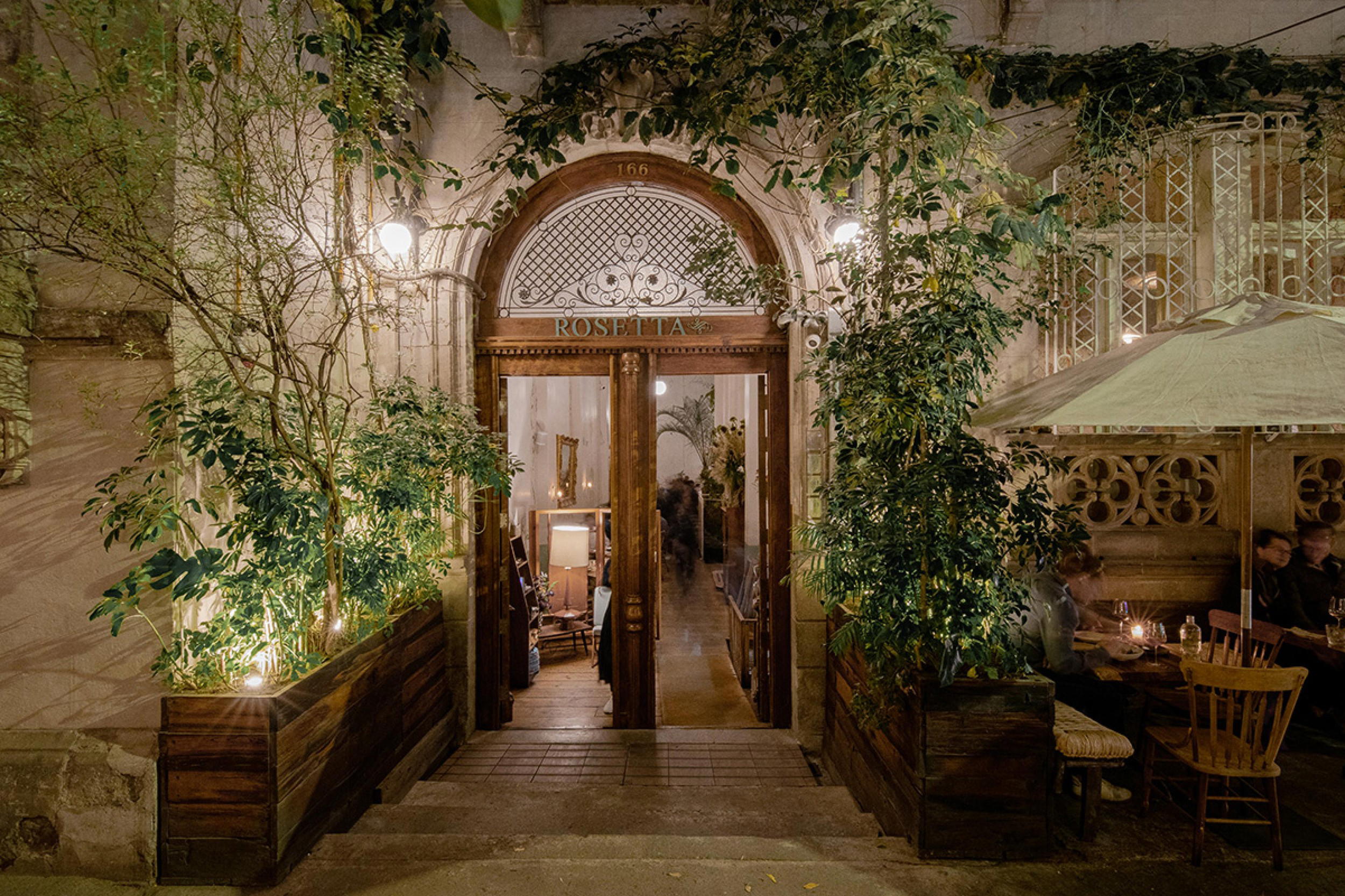
Mexico City, Mexico
Located in a Roma Norte mansion, Rosetta is where Elena Reygadas reinterprets Mexican culinary tradition through a plant-forward, research-driven lens. Holder of a Michelin star and ranked #34 on the World's 50 Best Restaurants in 2024, it occupies a distinct tier in Mexico City's dining scene: formally accomplished but priced accessibly at $$, with a kitchen whose ambitions extend well beyond its category.

Buenos Aires, Argentina
Crizia holds a Michelin star in a city where beef still dominates most conversations about dining. The Palermo Hollywood address is the first signal that something different is happening: this is a fish-and-seafood-led kitchen working with seasonal Argentine products, open fire, and a wine programme that has drawn serious attention for its depth in whites and older vintages. Google reviewers rate it 4.6 across more than 1,400 responses.

Bogota, Colombia
Humo Negro occupies a relaxed room on Carrera 5 in Chapinero, where Chef Jaime Torregrosa builds a small-plates menu that draws simultaneously on Latin American, Nordic, and Japanese techniques applied to Colombian ingredients. The format is designed entirely for sharing, which shapes both the pacing and the social register of a meal here. It sits in Bogotá's mid-tier modern dining tier, closer in spirit to a neighbourhood creative table than a formal tasting room.

Guatemala City, Guatemala
In Guatemala City's Cuatro Grados Norte district, Mercado 24 builds its menu entirely around what the city's daily markets yield each morning. Chef Pablo Díaz Quiñonez leads a four-person kitchen that treats availability as the menu, making each visit structurally different from the last. Among the Zona 4 dining options, it occupies a distinct niche: casual in format, deliberate in sourcing.

San José, Costa Rica
Sikwa in San José's Los Yoses district operates as both restaurant and research center, dedicated to Costa Rica's Indigenous culinary heritage under chef Pablo Bonilla. The kitchen draws on ancestral techniques and locally sourced ingredients to document and reinterpret traditions that have been largely absent from the country's fine-dining conversation. For anyone serious about Costa Rican food culture, this is a reference point.

Lima, Peru
OSSO Carniceria operates at the intersection of butcher shop and restaurant in San Isidro, where Chef Renzo Garibaldi has built a programme around dry-aged cuts and wood-fired cooking that Opinionated About Dining has ranked among South America's top restaurants in 2023, 2024, and 2025. The format is meat-forward and intentional: produce quality, butchery craft, and fire are the three load-bearing elements.

Santiago, Chile
Karai by Mitsuharu in Santiago delivers a refined Nikkei experience where Japanese precision meets Peruvian heat and Chilean produce. Must-try plates include Pan al vapor con chicharrón de pescado y tártara nikkel, Yakitori de Pollo a la Brasa, and the restaurant’s signature nigiri selection. Under the guidance of Mitsuharu “Micha” Tsumura and led locally by chef Sebastián Jara, Karai combines artful presentation with bold, citrus-driven sauces, smoky grilled elements, and clean sushi cuts. Recognized on Latin America’s 50 Best extended list (2024) and awarded Travelers’ Choice Best of the Best (2025), the restaurant pairs vibrant flavors with curated Chilean and Peruvian wines for a sensory meal in Las Condes.

Barranquilla, Colombia
Manuel brings contemporary Colombian fine dining to Barranquilla's Nte. Centro Historico, drawing its identity from the Caribbean Coast and Atlántico region's produce. Chef Manuel Mendoza runs both à la carte and an eight-course tasting menu, applying international technique to ingredients that rarely reach Colombia's more-discussed restaurant cities. For fine dining in Barranquilla, Manuel is the clearest reference point.

Panama City, Panama
Cantina del Tigre at Plaza Centenario brings Chef Fulvio Miranda's reimagined Panamanian cooking to one of Panama City's most historically resonant addresses. The kitchen works within a tradition of local ingredients and regional flavour, presenting dishes with a visual boldness that has earned growing attention across Central America. It occupies a distinct position in the city's evolving contemporary-Panamanian dining tier.

La Paz, Mexico
Opened in November 2024 by chef Marsia Taha Mohamed and sommelier Andrea Moscoso Weise, Arami operates in La Paz's Achumani neighbourhood as a casual fine dining address built around the biodiversity corridor between the Amazon and the Andes. The menu treats that geographic exchange as its primary ingredient source, drawing from two of the world's most ecologically dense regions within a single country.

Moray, Peru
Set among the Inca circular terraces of Moray at 3,500 metres, Mil Centro is one of South America's most seriously regarded restaurants, ranking second on Opinionated About Dining's South America list in 2024 and 2025 after holding the top spot in 2023. Virgilio Martínez's high-altitude kitchen anchors its menu in Andean biodiversity, drawing on ingredients from the surrounding Sacred Valley with the same intellectual rigour as his Lima flagship, Central.

Buenos Aires, Argentina
A 22-cover restaurant in Villa Crespo, Julia Buenos Aires applies rigorous product discipline to Argentine ingredients, limiting each dish to five seasonal components. Recognised with a Michelin Plate in 2025 and a place on Opinionated About Dining's Top Restaurants in South America list, it operates at the quieter, more considered end of Buenos Aires's modern dining tier.

Mexico City, Mexico
Two Michelin stars, a decade-long presence on the World's 50 Best list, and a mole aged for over a thousand days: Pujol in Polanco has done more to define contemporary Mexican fine dining on the global stage than any other single address. Chef Enrique Olvera's tasting menu moves between pre-Hispanic technique and modern precision, placing ancient ingredients inside a rigorous, architecturally considered format.

Salvador, Brazil
Origem's 15-course tasting menu moves through Bahia's five distinct biomes, translating the state's forests, coastline, and sertão into technique-driven plates by chef Fabrício Lemos and pâtissier Lisiane Arouca. Situated in Pituba, Salvador, it occupies a serious position in Brazil's contemporary fine dining conversation — regional in conviction, precise in execution.

San José, Costa Rica
In Ciudad Colón, on the western edge of San José Province, Conservatorium operates at the intersection of avant-garde technique and elemental cooking, with fire positioned as both method and philosophy. The kitchen draws on the quality of raw materials, treating simplicity and elegance as structural principles rather than aesthetic choices. For travellers moving beyond San José's city centre, it represents a deliberate dining detour worth planning around.

San Pedro Garza Garcia, Mexico
Cara de Vaca is the restaurant that placed Monterrey-style fire cooking on the Latin America's 50 Best map, landing at No. 54 in 2025. Chef Chuy Villarreal evolves the carne asada regiomontana tradition through live-fire technique, natural wine, and disciplined sourcing. It is one of the most consequential addresses in San Pedro Garza García's growing fine-dining scene.

São Paulo, Brazil
Kotori brings yōshoku — Japan's tradition of reinterpreting Western dishes through a Japanese lens — to Pinheiros, pairing it with grilled skewers and Brazilian ingredients. A back-to-back Michelin Bib Gourmand recipient in 2024 and 2025, it holds a 4.5 Google rating across 639 reviews. The price point sits at the accessible end of São Paulo's Japanese dining tier, making the Michelin recognition here particularly pointed.

São Paulo, Brazil
Metzi brings Mexican cooking into dialogue with Brazilian ingredients on Rua João Moura in Pinheiros, the work of a former Cosme duo who hold consecutive Michelin Plates for 2024 and 2025. The menu moves between mushroom quesadillas and fish a la talla reframed through local technique, sitting at the $$$ tier where São Paulo's most considered cross-cultural restaurants compete.

Santiago, Chile
Among Santiago's most recognised seafood addresses, La Calma by Fredes in Vitacura operates on a strict daily-catch model: no frozen product, fair-trade sourcing, and a menu shaped by Chile's extended Pacific coastline. Ranked No. 67 on the Latin America's 50 Best extended list in 2023 and featured in Opinionated About Dining's 2025 South America rankings, it sits at the serious end of the city's fish-focused dining tier.
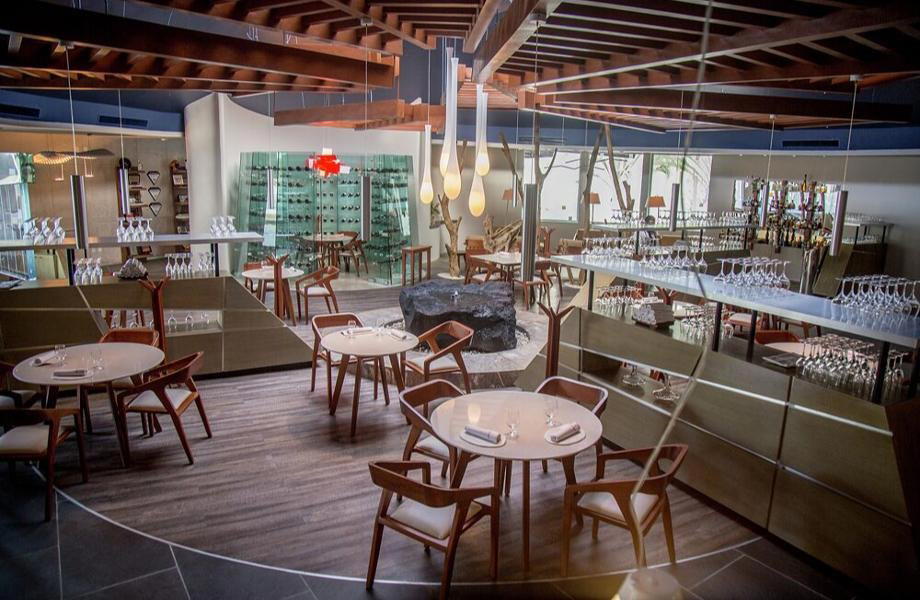
Cancun, Mexico
Le Chique operates as one of Mexico's most structurally ambitious tasting menus, earning 93 points from La Liste in 2026. Located inside the Azul Beach Resort on the Quintana Roo coast, the multi-course format moves through spherification cocktails, mist-accompanied seafood, and savoury courses served from hollowed-out books — a program that places it in a different competitive tier from Cancun's conventional resort dining.

Mexico City, Mexico
Sud 777 operates from Jardines del Pedregal with a plant-forward Mexican kitchen that has earned a Michelin star and placed as high as #70 on the World's 50 Best list. Chef Edgar Núñez draws from an on-site vegetable garden to produce dishes that read simple on the plate but carry real technical depth. The wine list runs to 2,300 bottles with strong representation from Mexico, Italy, and California.

Quito, Ecuador
Clara operates from La Floresta, Quito's most creatively active neighbourhood, as a restaurant and bar built around a clear, ingredient-led approach to Ecuadorian cooking. The kitchen, led by chefs Ana Lobato, Ángel De Sousa, and Felipe Salas, earned the Latin America's 50 Best One To Watch Award in 2024, placing it among the most closely followed addresses in the country's emerging dining scene.

Panama City, Panama
La Tapa Del Coco operates at the intersection of culinary preservation and contemporary technique, bringing Afro-Panamanian gastronomy into formal dining conversation. Led by Chef Isaac Villaverde, the project treats Afro-Antillean and Afro-Colonial traditions as living reference points rather than museum pieces. It sits among Panama City's most purposeful dining addresses, alongside places like Maito and Caleta, where national identity is the actual subject on the plate.

Lima, Peru
In San Isidro, Shizen Restaurante Nikkei sits at the heart of Lima's Japanese-Peruvian dining tradition, serving ceviches, udon dishes laced with Andean spice, and creative maki rolls built on local ingredients. It occupies the accessible end of a cuisine that spans everything from neighbourhood lunch counters to internationally ranked tasting menus, offering a grounded entry point into one of Lima's most genuinely original culinary hybrids.

Santiago, Chile
In the Matta Sur neighbourhood, Pulpería Santa Elvira operates from a stripped-back space where the menu shifts with what local cooperatives are producing each season. Chef Javier Avilés builds a programme around Chilean heritage ingredients, resulting in a kitchen that reads more like a living document of the country's pantry than a fixed restaurant concept.

Buenos Aires, Argentina
Ness brings fire-based cooking and Asian-inflected technique to Núñez, one of Buenos Aires' quieter residential neighborhoods. The menu works through local, seasonal product with a cosmopolitan lens — fish, meat, and chicken given the kind of considered treatment that suits a celebratory dinner as well as a regular table. It sits in the contemporary tier of porteno dining, distinct from the city's steakhouse tradition.

Rio de Janeiro, Brazil
Oseille holds a Michelin star (2025) and operates from a 16-seat counter in Ipanema, where Thomas Troisgros runs a tasting menu that draws on French classical training and Brazilian ingredient intelligence. The format is deliberately intimate, and a Google rating of 4.9 from 126 reviews reflects the kind of loyalty that small-counter restaurants earn only through consistent execution. Reservations require advance planning.

Lima, Peru
Clon occupies a compact space on Avenida Almirante Grau in Barranco, where Venezuelan chef Juan Luis Martínez folds high-end Peruvian ingredients into a menu shaped by his South American roots. Recognised by the We're Smart Green Guide team for its vegetable-forward creativity, this is the third restaurant from Martínez and the one that most clearly defines his direction.
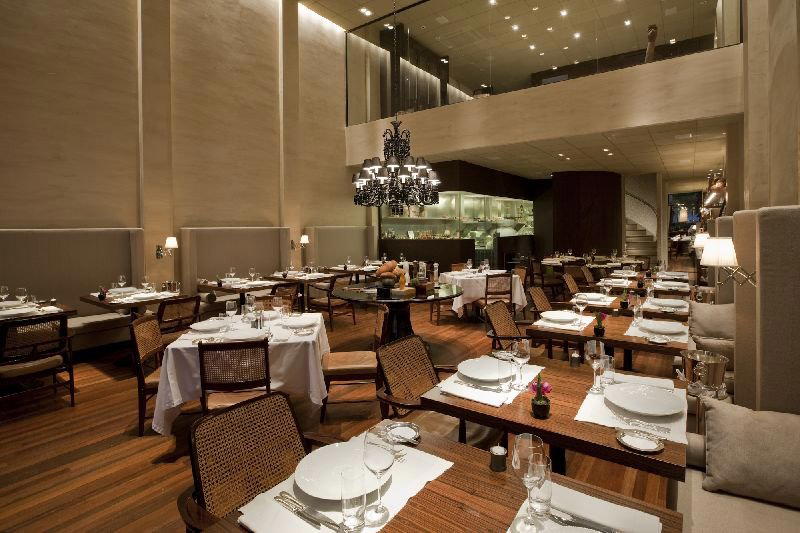
São Paulo, Brazil
Maní holds a Michelin star and a 95-point La Liste score while occupying a distinct position in São Paulo's creative dining scene: technically precise Brazilian cooking that draws on Amazonian ingredients without losing sight of European technique. Chef Helena Rizzo's menu places vegetables and native produce at its structural centre, earning the restaurant a decade of international recognition including a 2014 peak of #36 on the World's 50 Best list.

Quito, Ecuador
Ranked No. 68 on Latin America's 50 Best Restaurants 2025 extended list, Tributo is Quito's most focused expression of fire-based cooking, built around dry-aged Ecuadorian beef and hyper-local sourcing. Chef-owner Luis Maldonado anchors the menu in nose-to-tail technique and Andean terroir, from a 120-day dry-aged cut raised at 4,000 metres to a 48-hour smoked rib broth. Among Quito's growing tier of serious dining rooms, it occupies a distinct position.
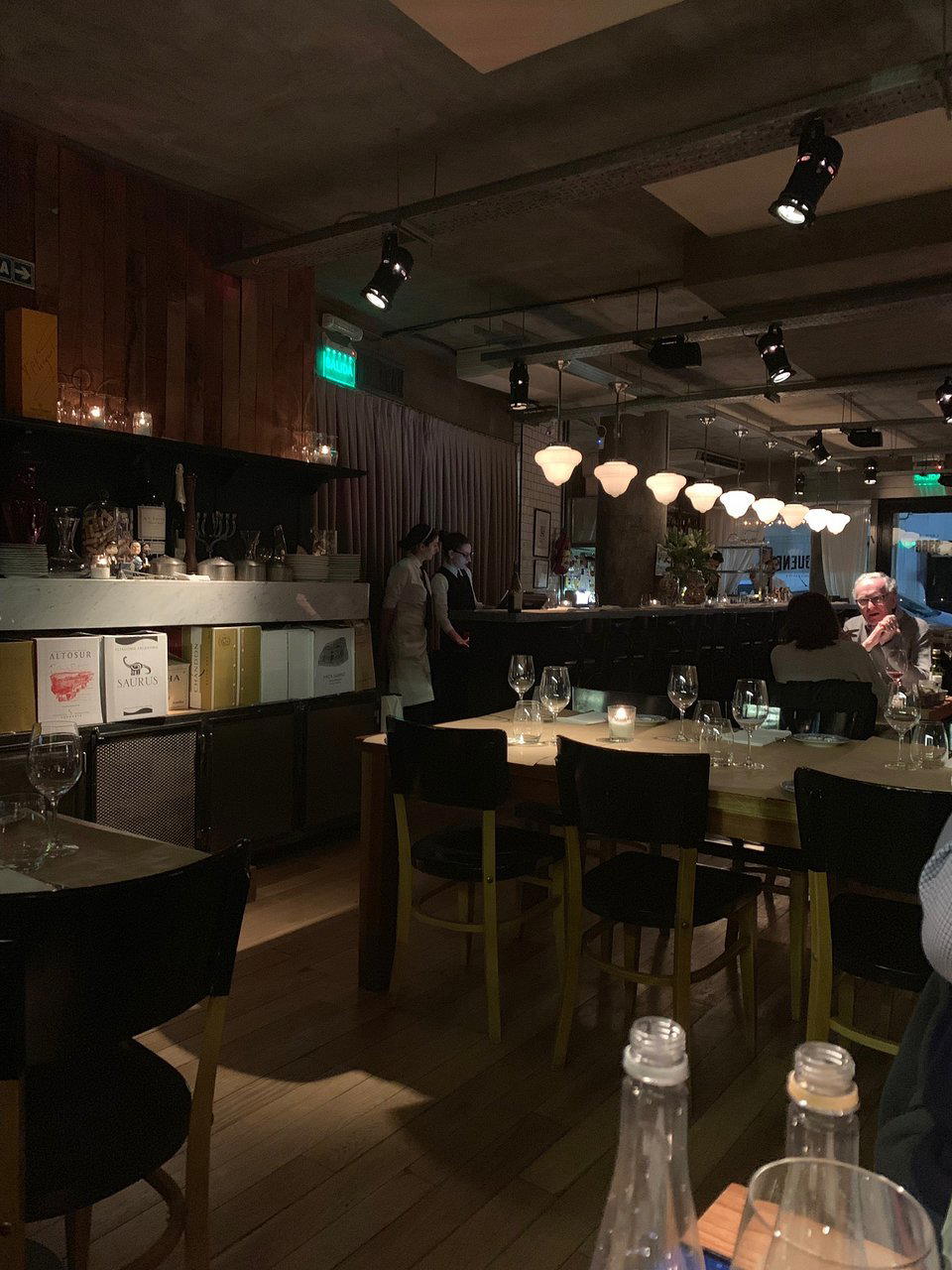
Buenos Aires, Argentina
Mishiguene sits at the intersection of Argentina's Jewish immigrant heritage and contemporary Buenos Aires cooking, translating Ashkenazi, Sephardic, and Israeli traditions through modern technique. Chef Tomás Kalika holds a 2025 Michelin Plate and ranks 26th on Opinionated About Dining's South America list. Dinner runs nightly from 7 pm at Lafinur 3368 in Palermo.

Buenos Aires, Argentina
Gran Dabbang operates without reservations in Palermo, serving sharing plates that draw on Indian, Thai, and Arab techniques applied to Argentine ingredients. Ranked #46 on Opinionated About Dining's South America list in 2025, it occupies a specific niche in Buenos Aires dining: technically grounded, globally informed, and built around a format that rewards early arrivals and repeat visits.

Mexico City, Mexico
Em holds a Michelin star and an Opinionated About Dining North America ranking, operating out of a minimalist dining room on Tonalá in Roma Norte. Chef Lucho Martinez runs a seasonal omakase alongside an à la carte menu that draws on both Mexican and Japanese culinary frameworks. The kitchen opens five evenings a week, with service from Thursday through Monday.

Panama City, Panama
Umi Restaurante Bar Izakaya brings a refined Japanese izakaya format to Panama City's Plaza 54, pairing Japanese mixology with fine seafood and hand rolls under the Kome Hospitality Group. A new entry on Latin America's 50 Best list, it occupies a distinct position among the city's internationally oriented dining addresses. The bar program runs parallel to the food, making it equally viable as a drinking destination.

São Paulo, Brazil
Cepa holds a Michelin Bib Gourmand (2025) and sits at the accessible end of Pinheiros' serious dining circuit, where farm-to-table cooking meets an organic and biodynamic wine list curated by sommelier Gabrielli Fleming. Chef Lucas Dante's kitchen produces everything from smoked butter to cured meats in-house, anchoring a menu in small-producer seasonality. Google reviewers rate it 4.3 across 537 reviews.

São Paulo, Brazil
D.O.M. holds two Michelin stars and a sustained presence in the World's 50 Best Restaurants list, positioning it at the top of São Paulo's fine dining tier. Chef Alex Atala's kitchen treats the Amazon as a pantry, bringing native ingredients like jambu, tucupi, and priprioca into a tasting format that has redefined how Brazilian cuisine is read internationally. Reservations are essential, and the Jardins address has anchored the city's premium dining scene since 1999.

La Paz, Bolivia
Ranked among South America's top ten restaurants by Opinionated About Dining every year from 2023 to 2025, Gustu operates from Calacoto as both a working restaurant and a training ground for young Bolivian cooks. Every ingredient on the menu comes from within Bolivia's borders, making the kitchen a direct argument for what Bolivian produce can achieve at the highest tier of contemporary South American dining.

Bogota, Colombia
ODA is a fine casual dining restaurant in Bogotá's north, led by chef Natalia Cocoma, with a format built around Colombian author's cuisine sourced from urban gardens and local producers. The menu reads as a considered argument for hyperlocal ingredients rather than a showcase of technique for its own sake. Find it at Calle 140 in the Torre HHC building.

Buenos Aires, Argentina
An Argentinian bistro set in a leafy residential neighbourhood of San Isidro, Alo's operates well outside the Buenos Aires dining circuit yet draws sustained critical attention for its zero-kilometre sourcing model and the cooking of chef-patron Alejandro Féraud. The kitchen works with local farmers and its own garden to produce a menu that sits between haute technique and the directness of comfort food.

Córdoba, Spain
Converted from a narrow Córdoba alleyway, El Papagayo stretches 32 metres long and barely 2 metres wide, giving the restaurant one of the most spatially distinctive formats in Argentina's interior dining scene. Chef Javier Rodríguez runs an innovative tasting menu grounded in close relationships with local producers and artisans, placing El Papagayo in the creative tier of Córdoba's increasingly serious restaurant culture.

La Paz, Bolivia
Opened in 2019 and winner of the American Express One to Watch Award in 2022, Ancestral puts Bolivian produce at the centre of a wood-fired grill format that prioritises sourcing over spectacle. Grilled trout, native paiche, and fresh herbs cut from an on-site garden define the menu's character. In a city where international formats have long overshadowed native ingredients, Ancestral argues convincingly for the other direction.

Curitiba, Brazil
Opened in 2011 as the first woman-led tasting menu restaurant in Brazil, Manu has grown into one of South America's most referenced addresses for plant-forward, seasonally driven cooking. Ranked 34th in the Opinionated About Dining top restaurants in South America (2025), the 20-seat format in Curitiba's Batel district serves a tasting menu built around local sourcing and over 60% plant-based ingredients.

Lima, Peru
Set inside the 17th-century Casa Moreyra hacienda in San Isidro, Astrid & Gastón has held a place in the World's 50 Best Restaurants every year from 2011 to 2018, peaking at #14 in 2013 and 2015. Under chef Jorge Muñoz Castro, the restaurant runs a tasting format built around Peruvian biodiversity, with vegetables as a recurring editorial thread. Ranked #9 in South America by Opinionated About Dining in 2025.

Panama City, Panama
Fonda Lo Que Hay occupies a spot in Casco Antiguo where Panamanian culinary history meets a deliberately modern frame. The kitchen draws on the country's layered food traditions, while the bar program treats local mixology with the same seriousness. For anyone tracing where Panama City's restaurant scene is headed, this is a useful reference point.

José Ignacio, Uruguay
Parador La Huella sits on Playa Brava in José Ignacio, drawing an international summer crowd to its open-fire grills and wood-fired seafood in a setting that defines the village's particular brand of barefoot glamour. The cooking is grounded in what the Atlantic coast delivers daily, and the atmosphere runs warm from midday through late evening.

Mexico City, Mexico
Open since 1957, Nicos in Claveria has held a consistent place on the Opinionated About Dining North America rankings — sitting at #69 in 2024 and #94 in 2025 — while carrying a Michelin Plate. Under Chef Gerardo Vázquez Lugo, the kitchen anchors itself in regional Mexican traditions and local sourcing, operating as a counter-argument to the capital's tasting-menu circuit.

Bogota, Colombia
Debora Restaurante in Bogotá's Chapinero neighbourhood structures its tasting menu around the city's seven distinct zones, using seasonal Colombian produce to anchor each course in a specific geography and tradition. Chef Jacobo Bonilla's approach earned the restaurant a place on the Latin America's 50 Best extended list and a White Star from Star Wine List. For visitors arriving between January and March, Debora represents one of Bogotá's more considered formal dining options.

Montevideo, Uruguay
Manzanar in Montevideo offers contemporary Uruguayan fine dining centered on a wood-fired grill and international influences. Must-try dishes include Rack of lamb with Italian salmoriglio, Rib-eye steak with chimichurri, and seasonal Grilled corvina. Family-run by the Barbero sisters, the kitchen blends traditional asado technique with sushi, ceviche, and creative small plates. Recognized by The World’s 50 Best Discovery program and known for collaborations with chefs like Francis Mallmann, Manzanar delivers warm, smoky flavors, inventive sauces, and a lively Carrasco terrace overlooking Rostand plaza. Expect attentive service, craft cocktails, and a menu that changes with the sea and the seasons.

San Salvador, El Salvador
Set within the grounds of El Salvador's national anthropology museum in Colonia San Benito, El Xolo positions itself as one of San Salvador's most intentional dining addresses. Chef Gracia Navarro builds the menu around indigenous Criollo corn and ingredients sourced from local communities, placing this restaurant at the intersection of culinary preservation and contemporary cooking in a city with a fast-developing restaurant scene.

Sosua, Dominican Republic
Aguají places Dominican fine dining in a resort setting above Sosúa Bay, with Chef Tita (Inés Páez Nin) drawing on Taíno-Arawak culinary heritage to build a menu rooted in native produce and tradition. Honoured by the United States Congress in 2017 and named among Forbes' 50 Powerful Women in the Dominican Republic in 2023, Chef Tita has made Aguají the most credentialled address in the Puerto Plata region for serious Dominican cooking.

Caracas, Venezuela
La Casa Bistró occupies a residential stretch of Los Palos Grandes, one of Caracas's more composed eastern neighbourhoods, where garden-to-table cooking and house-made ingredients set the register. The kitchen draws on fresh produce from its own garden, working within a bistro format that prioritises clean flavours over spectacle. Among Caracas dining options at this tier, it reads as a neighbourhood anchor rather than a destination showpiece.

Ensenada, Mexico
Lunario sits inside a rooftop greenhouse in Valle de Guadalupe, where chef Sheyla Alvarado runs a six or eight-course tasting menu built almost entirely from produce grown at sister farm Finca La Carrodilla. Ranked No. 54 on Latin America's 50 Best Restaurants 2023, it represents the agricultural-to-table model at its most considered. Advance reservations are strongly advised for this farm-anchored format.

Panama City, Panama
Caleta operates inside the Sofitel Legend Casco Viejo, positioning itself at the formal end of Panama City's seafood dining tier. Led by Michelin-starred Executive Chef Lorenzo Di Gravio, the kitchen draws on Pacific Ocean sourcing and applies European technique to Panamanian ingredients. It is one of the few addresses in the city where that combination carries documented international credentials.

Punta del Este, Uruguay
Named Best Restaurant in Uruguay 2024, Lo de Tere occupies a prime position on Punta del Este's Rambla with marina views and a menu built around sustainably caught Atlantic seafood and premium Uruguayan meats. The combination of serious local sourcing credentials and waterfront setting places it at the top of the resort city's fine dining tier.

São Paulo, Brazil
Housed inside Shopping Light in São Paulo's Centro Histórico, NOTIÊ is a Michelin Plate-recognised restaurant where Paraíba-born chef Onildo Rocha translates Brazil's biomes into structured tasting menus. The format places native ingredients and regional technique at the centre, drawing from Northeastern pantries, Amazonian produce, and the Cerrado. It sits in the mid-to-upper tier of São Paulo's contemporary Brazilian dining circuit, priced at $$$ and reviewed at 4.4 across 1,673 Google responses.

Guatemala City, Guatemala
Ana, led by Colombian chef Nicolás Solanilla Leguizamón, earned the American Express One To Watch Award 2025 for its mestizo cuisine that draws on Colombian memory and Guatemalan culinary tradition in equal measure. Located in Guatemala City's Zone 1, it represents a new direction for the city's fine dining scene: cross-border in sensibility, deeply local in sourcing, and harder to categorise than most of its peers.

Santiago, Chile
A circus-themed restobar in Vitacura, Demencia earns its name with a deliberately eccentric small-plates format under chef Benjamín Nast. Ceviches and black rice with chipirones anchor a menu that balances theatricality with technique. The restaurant appeared on the Latin America's 50 Best Restaurants 2025 extended list at No. 95, placing it firmly in Santiago's serious dining conversation.

Bogota, Colombia
In Chapinero, Selma runs one of Bogota's more energetically charged dining rooms, pairing a hedonistic bar atmosphere with a menu that moves fluidly between Mediterranean and Latin traditions. Chef Álvaro Clavijo draws on Spanish, Greek, and North African reference points while keeping smoked tiradito and sea bass crudo at the centre of the plate. The pitched wooden ceiling and pumping music on select nights set the tone before the food arrives.
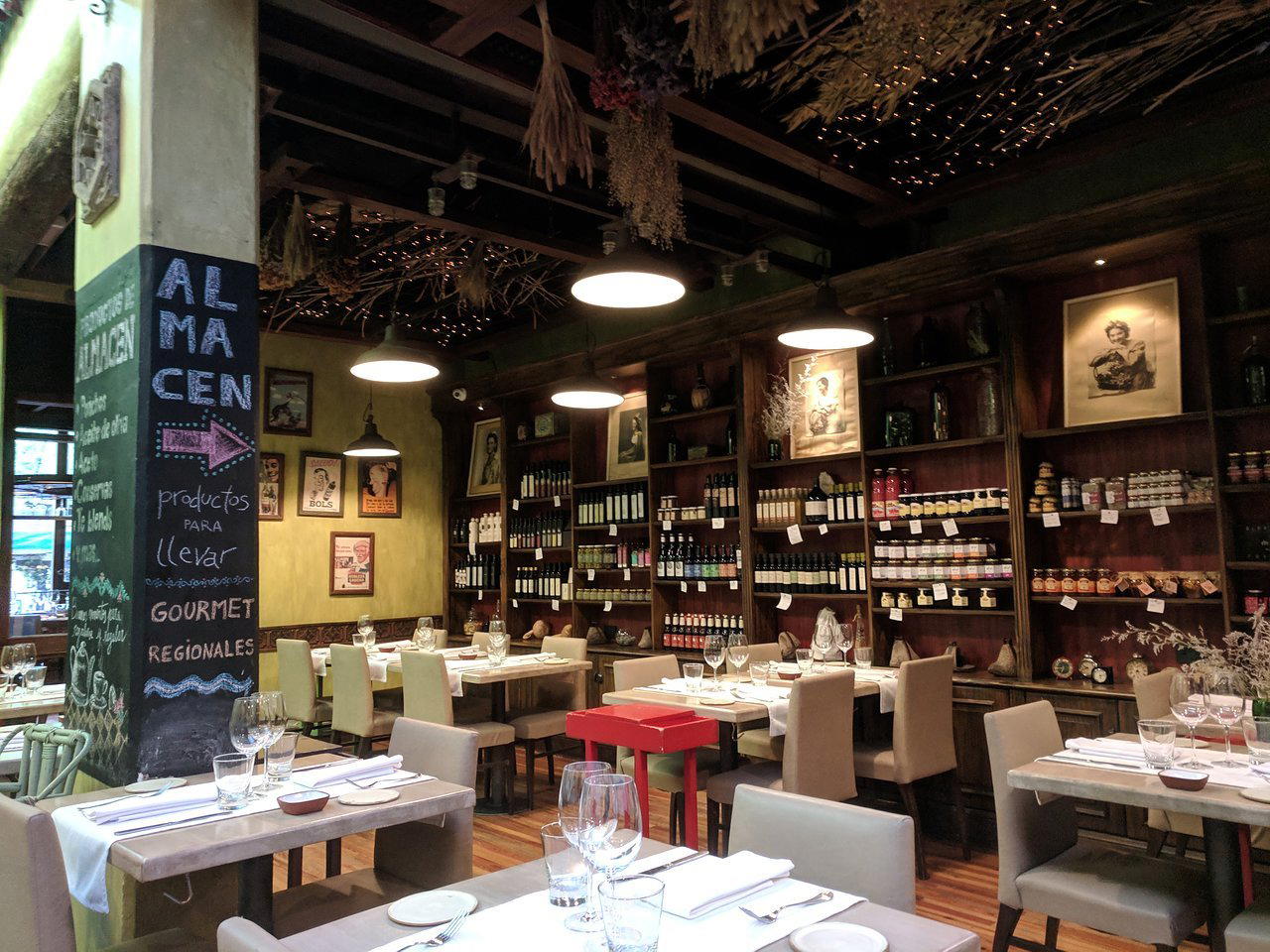
Mendoza, Argentina
Azafrán began as a deli on Avenida Sarmiento and evolved into one of Mendoza's most serious modern Argentine restaurants, earning consecutive Michelin Stars in 2024 and 2025 and a place on Latin America's 50 Best extended list. Under Chef Sebastian Weigandt, the menu reads as a considered argument for regional ingredients paired against a cellar that anchors the entire dining proposition.

Medellín, Colombia
A hyperlocal bistro in Medellín's Provenza neighbourhood, Sambombi Bistró Local runs a weekly-changing menu built entirely around fresh Colombian produce. The warm, intimate atmosphere and genuine commitment to sourcing place it firmly in the wave of Medellín restaurants redefining what Colombian cooking looks like on a plate. Find it on Carrera 35 in El Poblado.

Salvador, Brazil
In Rio Vermelho, one of Salvador's most characterful neighbourhoods, Manga operates as a serious tasting-menu address where Bahian terroir meets globally informed technique. Chefs Katrin and Dante Bassi build seasonal menus around local ingredients, placing the restaurant in a small but growing tier of creative Brazilian fine dining that connects Salvador's larder to contemporary cooking.

Santiago, Chile
Fukasawa occupies a precise corner of Vitacura where Japanese technique meets Chilean produce in the tradition known as Nikkei cuisine. Led by chef Marcos Baeza and his sons, the restaurant has built recognition across Santiago's serious dining circuit for work that draws on both cultures without flattening either. Reservations require planning; the address on Av. Nueva Costanera 3900 serves as a reliable marker for the city's Japanese-inflected dining.
Find out on Pearl and keep score across every place in 2025 Latin America's 50 Best Restaurants.
Overview
The 2025 edition of Latin America's 50 Best Restaurants ranked 100 venues across 16 countries and 34 cities. El Chato in Bogotá, Colombia took the top spot, followed by Lima's Kjolle and Buenos Aires steakhouse Don Julio. This year saw a complete roster refresh, with all 100 venues appearing as new entries compared to the previous edition.
This edition distributed rankings across 16 countries throughout Latin America, spanning 34 cities. Peru led with three venues in the top ten (Kjolle, Mérito, and Cosme), while Colombia placed two (El Chato and Celele). The list expanded to recognize 100 total venues rather than just 50, offering broader coverage of the region's dining scene. Major food cities like Lima, Mexico City, Buenos Aires, and São Paulo all secured multiple placements. The 2025 rankings represent a full reset from the previous edition, with Orfali Bros dropping from the number one position and El Chato claiming the new top ranking.
El Chato in Bogotá leads the 2025 Latin America's 50 Best Restaurants list, bumping last year's winner Orfali Bros entirely off the rankings. The 2025 edition expanded to 100 total venues across 16 countries, marking a complete overhaul with zero venues retained from the previous year. Peru dominates the top ten with three entries (Kjolle at #2, Mérito at #4, and Cosme at #9), while Colombia also secured two spots. Don Julio in Buenos Aires claimed #3, maintaining Argentina's presence among the region's highest-ranked restaurants.
The 2025 edition represents a significant shift in how Latin America's 50 Best Restaurants approaches regional rankings. The expansion to 100 venues—double the traditional 50—and the complete turnover from the previous year suggest either a major methodology change or a rebranding of the list itself. All 100 venues appear as new entrants, while 51 restaurants from the previous edition dropped out entirely, including former number one Orfali Bros.
Geographically, the rankings spread across 34 cities in 16 countries, with Peru, Colombia, and Mexico particularly well-represented in the top tier. Lima placed three restaurants in the top ten, reinforcing its position as a major culinary destination. The mix includes fine dining concepts like Santiago's Boragó (#6) and Quito's Nuema (#10) alongside neighborhood restaurants and specialized concepts.
The complete roster reset makes direct year-over-year comparisons difficult. Whether this signals a permanent expansion to 100 venues or a one-time special edition remains unclear from the data. What's certain: if you're planning a dining trip around these rankings, you're working with an entirely new set of targets compared to last year.

