
A global ranking of the top vineyard destinations, celebrating excellence in wine, hospitality, and visitor experience. The list recognizes wineries that define the pinnacle of wine tourism worldwide.
How many of these have you visited?
Discover on Pearl
Tunuyán, Argentina
Zuccardi Valle de Uco sits in the Altamira district of Mendoza's Uco Valley, where a purpose-built concrete winery completed in 2016 has drawn serious attention as much for its architecture as for its wines. Holder of EP Club's Pearl 4 Star Prestige rating for 2025, it occupies the upper tier of Argentina's estate-visit circuit and draws visitors from across the winemaking world.

Rioja, Spain
Frank Gehry's titanium-roofed hotel announces the Marqués de Riscal estate from across the Rioja Alta plateau, but the winery beneath it has been shaping the region's identity since the nineteenth century. A 2025 Decanter Silver medal and EP Club Pearl 4 Star Prestige rating place it firmly in Rioja's prestige tier. Tastings, cellar tours, and the hotel experience make it one of the region's most complete estate visits.

Margaux, France
The tree-lined boulevard approaching Château Margaux's Neo-Palladian manor sets expectations that the estate's cellar programme consistently meets. Under winemaker Philippe Bascaules, the property holds EP Club's Pearl 5 Star Prestige (2025) and remains the reference point against which Margaux AOC peers are measured. Visits require advance arrangement, and the estate sits at the apex of the appellation's classification hierarchy.
Maldonado, Uruguay
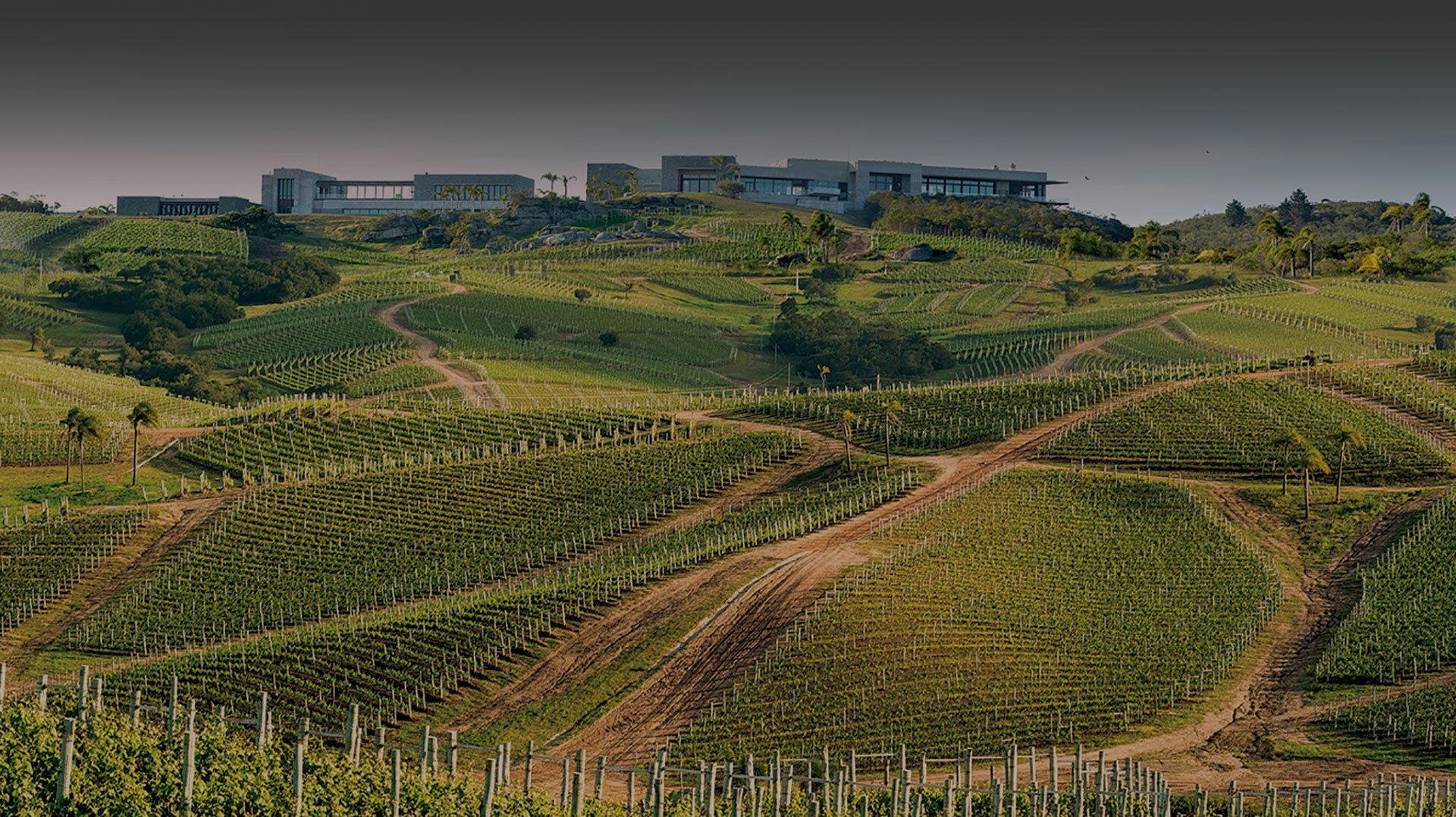
Set among rolling vineyards in the Garzón hills of Maldonado, Bodega Garzón pairs serious terroir-driven winemaking with a restaurant presided over by Francis Mallmann, whose open-fire techniques have defined South American cooking for decades. Awarded a Pearl 4 Star Prestige rating in 2025, the estate represents Uruguay's most complete argument for wine tourism done without compromise.
Santa Cruz, Chile
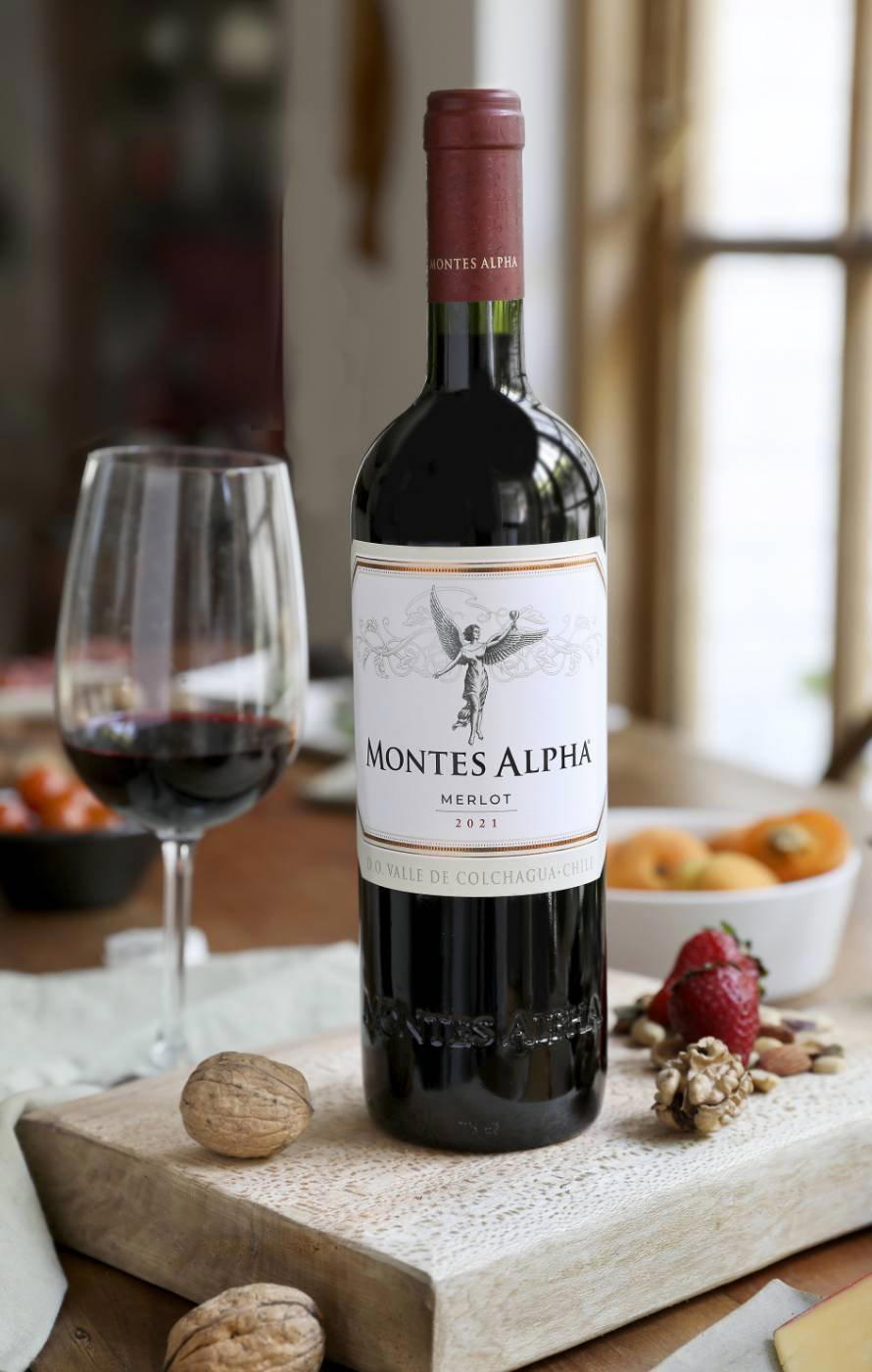
Viña Montes sits in the Colchagua Valley outside Santa Cruz, where feng shui principles shaped the winery's design and the guardian angel motif on its labels has become one of Chile's most recognised wine symbols. The property earned an EP Club Pearl 4 Star Prestige rating in 2025, placing it among the Colchagua's reference-tier wine estates. Tastings here carry a distinctly ceremonial quality that sets the visit apart from standard cellar-door formats.

Tuscany, Italy
Antinori nel Chianti Classico is the working headquarters of one of Italy's oldest wine dynasties, a hillside facility near Bargino designed to disappear into the landscape while housing six centuries of Sangiovese tradition. Awarded a Pearl 3 Star Prestige in 2025, it pairs architectural ambition with serious winemaking under Renzo Cotarella, situating it at the upper tier of Chianti Classico estate visits.

Agrelo, Argentina
Catena Zapata's Mayan pyramid-inspired winery in Agrelo stands as one of Argentina's most architecturally distinctive wine estates, earning a Pearl 4 Star Prestige rating in 2025. Guided tours cover the family's deep roots in Mendoza viticulture, while the winery's position in Luján de Cuyo places it at the centre of the country's most celebrated wine-growing terrain.
San Vicente De Tagua Tagua, Chile
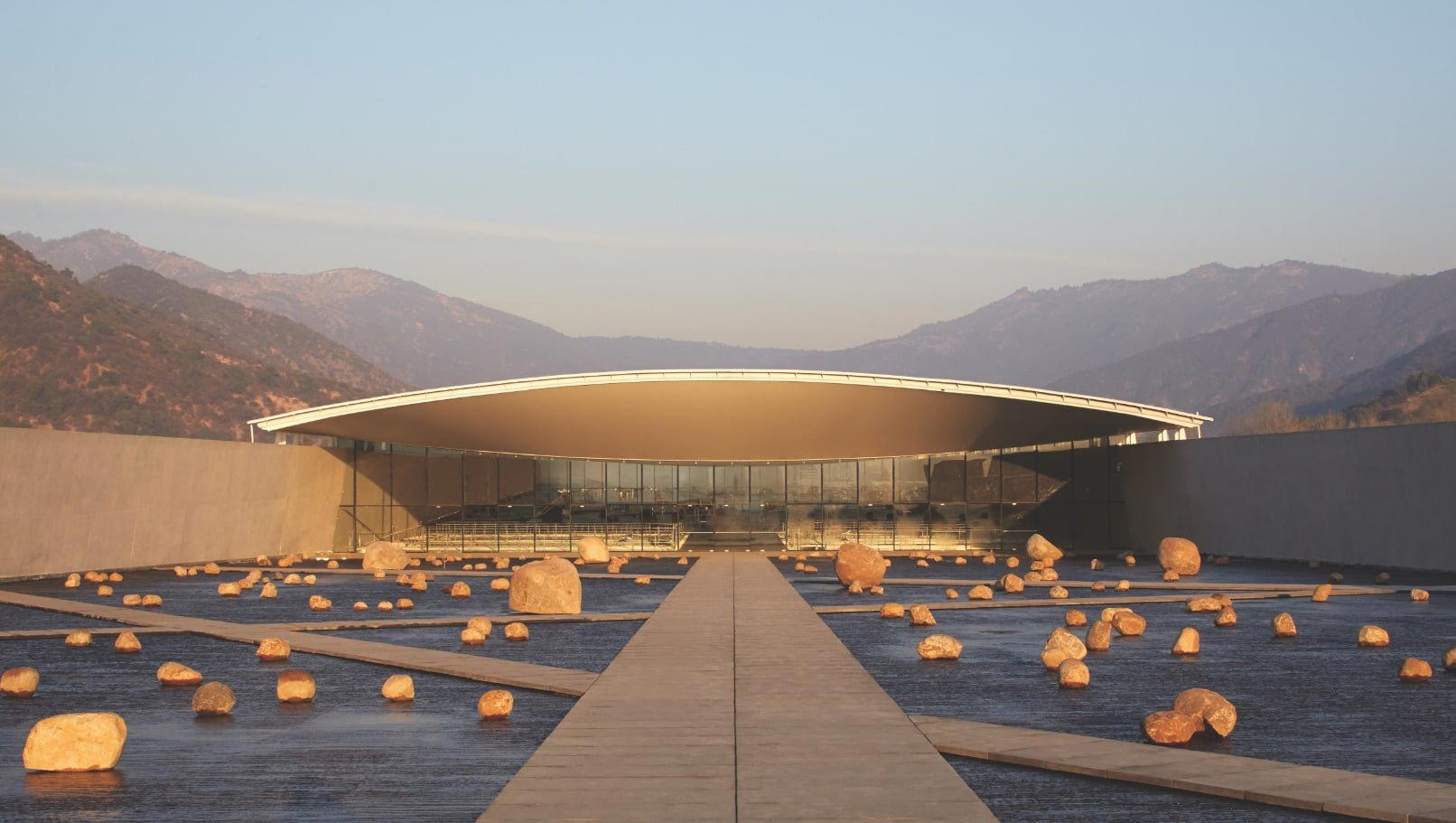
In the Millahue Valley of Chile's O'Higgins region, Viña VIK occupies a working estate beneath a titanium and bronze roof that catches Andean light from a distance. The property holds a Pearl 4 Star Prestige rating (2025) and positions itself among Chile's small cohort of estate-integrated luxury wine experiences, where the vineyard, the architecture, and the accommodation operate as a single argument about place.
Jerez, Spain
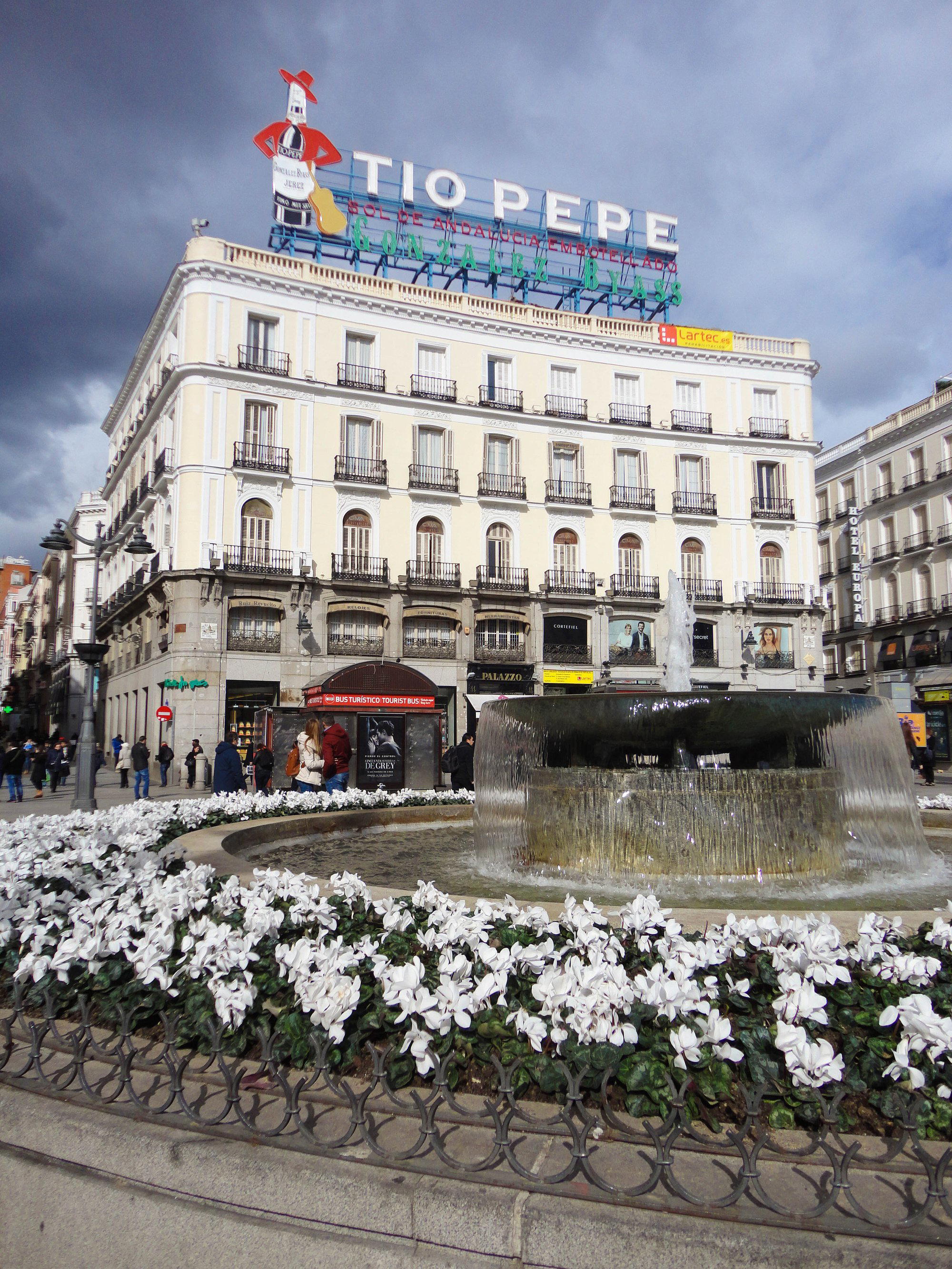
Established in 1841 and awarded a Pearl 3 Star Prestige rating in 2025, González Byass is the bodega that defined the global identity of Jerez sherry. The Tío Pepe estate in Old Town Jerez combines nineteenth-century winery architecture with guided cellar experiences, placing it firmly in the tier of Spanish wine destinations where history and terroir are inseparable from the glass.
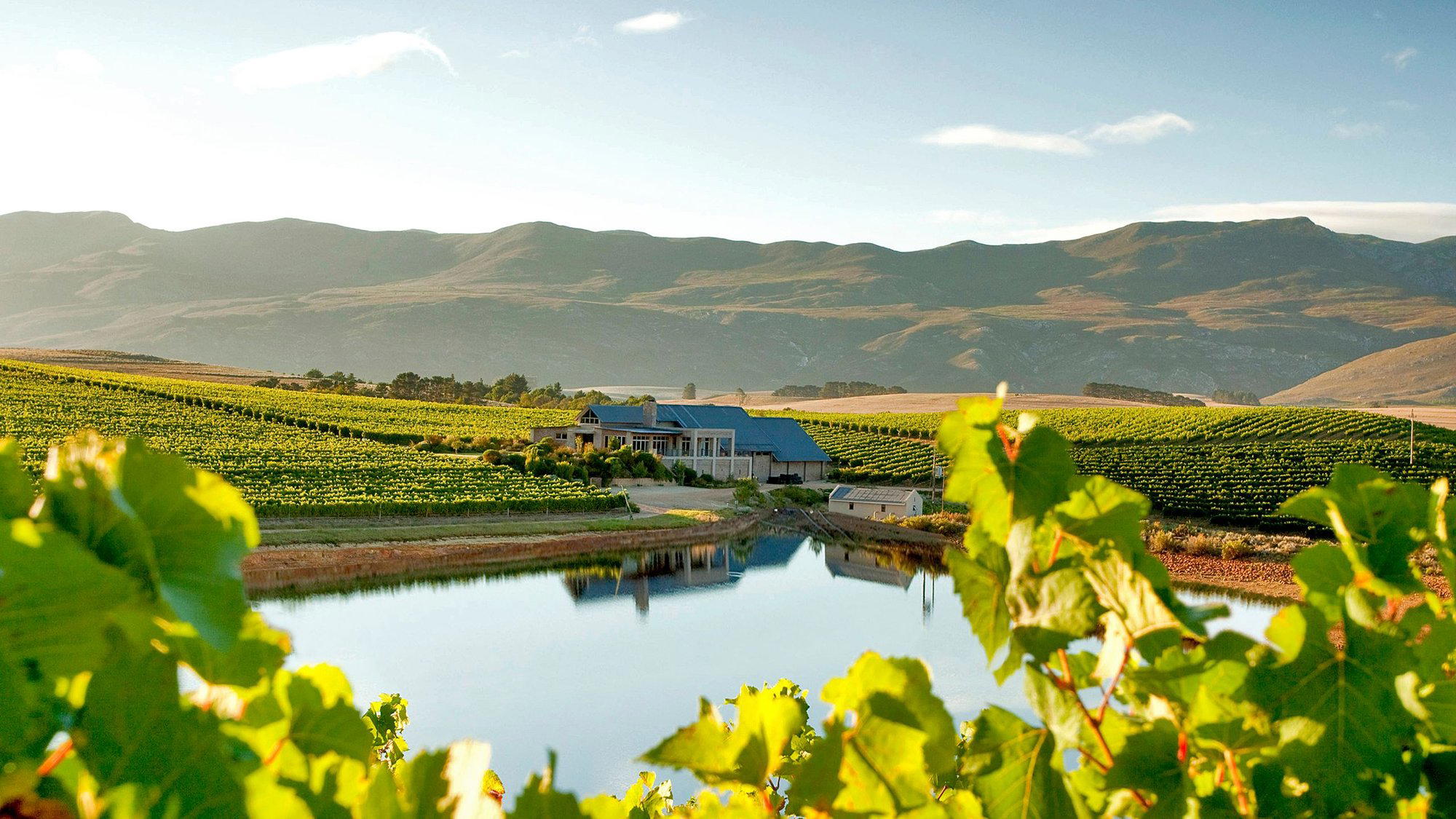
Hermanus, South Africa
Creation Wines sits in the Hemel-en-Aarde Valley outside Hermanus, a wine corridor whose name translates literally as 'heaven and earth.' Holding a Pearl 3 Star Prestige rating for 2025, the estate combines an ecologically driven production approach with on-site accommodation, placing it among the Overberg's more complete wine destinations within easy reach of Cape Town.

Hastings, New Zealand
Set against the base of Te Mata Peak in Hawke's Bay, Craggy Range holds a Pearl 4 Star Prestige rating (2025) and operates one of New Zealand's most geographically serious wine estates. Its River Lodges offer private cottage accommodation on the vineyard grounds, placing guests directly inside the terroir that defines the wines poured at the table.
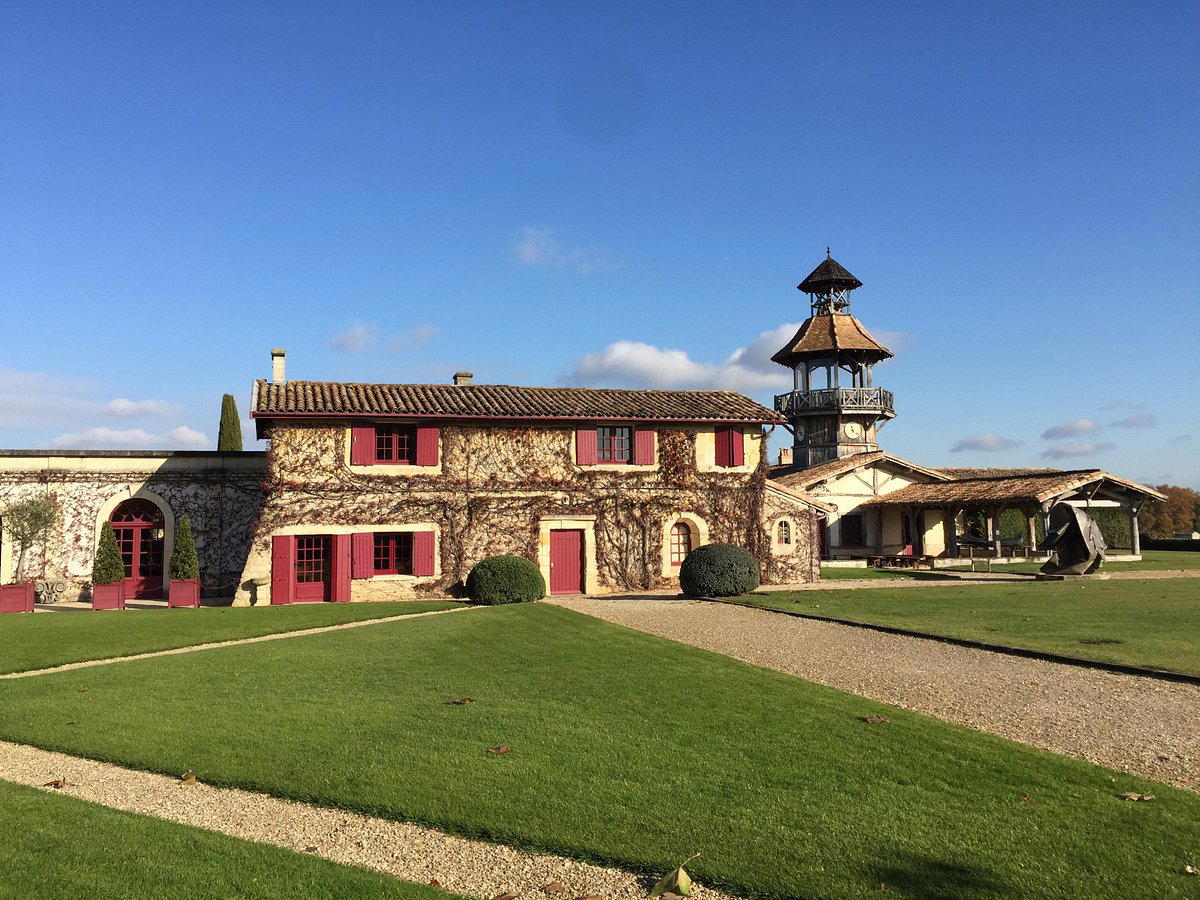
Martillac, France
A Grand Cru Classé estate with production records extending to 1365, Château Smith Haut Lafitte farms biodynamically in Martillac's gravel-heavy Pessac-Léognan soils. Winemaker Fabien Teitgen oversees a programme that includes horse-drawn viticulture, amplifying the mineral character the Graves is known for. The Pearl 4 Star Prestige rating (2025) places it firmly within Bordeaux's most considered tier of classified estates.

Reims, France
Beneath Place Saint-Nicaise in Reims, Taittinger opens its fourth-century chalk quarry cellars to visitors as one of Champagne's most architecturally dramatic cellar experiences. Awarded Pearl 4 Star Prestige by EP Club in 2025, the house has produced Champagne since its first vintage in 1943. Winemaker Alexandre Ponnavoy oversees the cuvées that emerge from these ancient galleries.

Southern Lebanon, Lebanon
Karam Wines in Jezzine, Southern Lebanon practices small-lot, terroir-driven vinification across 600–1,400m slopes. Signature offerings include Jezzignac (2021, 15-year grape eau-de-vie), the award-recognized Cloud Nine white blend, and a premium Syrah matured in new American oak. The family-run estate, founded in 2002 by Habib Karam, sources indigenous grapes such as Meksassi and Hifawi alongside Les Raretés single-varietal experiments. Expect mineral lift from Mediterranean breezes, concentrated dark-fruit depth, saline freshness, and precise oak integration—an intimate tasting for collectors and curious gourmets seeking limited allocations and small-batch craftsmanship.
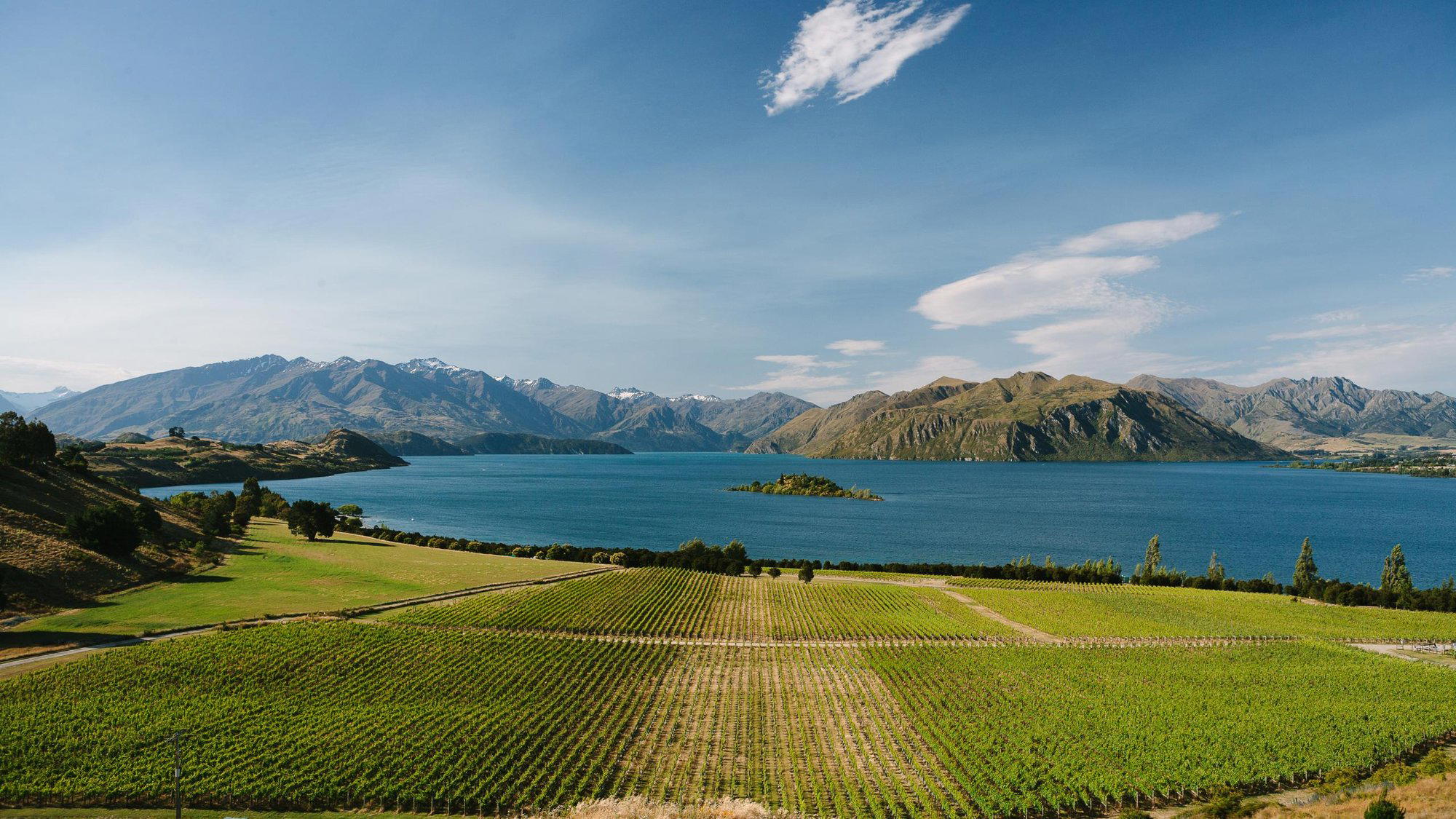
Wānaka, New Zealand
Rippon Vineyard sits on the western shore of Lake Wānaka, where schist soils and high-altitude cold nights define some of Central Otago's most site-specific wines. Rated Pearl 4 Star Prestige by EP Club in 2025, it represents a benchmark for how Southern Alps terroir translates into the glass. The setting alone draws visitors, but the wine keeps them paying attention.
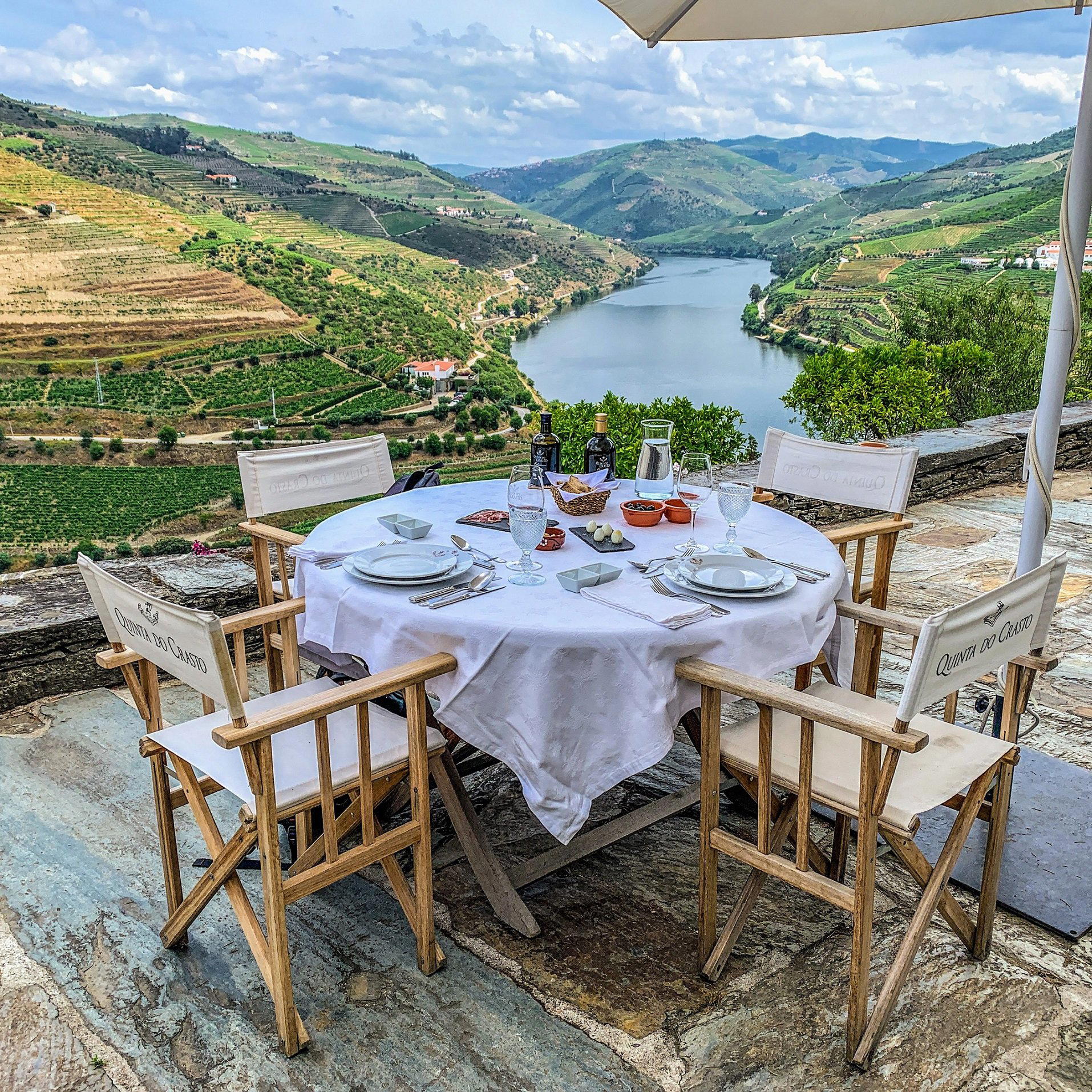
Sabrosa, Portugal
One of the Douro Valley's most respected estate wineries, Quinta do Crasto sits above the Douro river in Sabrosa and holds a Pearl 4 Star Prestige rating for 2025. The property offers four guest suites in an intimate, family-run format that places visitors inside the working rhythms of the estate. For those serious about Douro terroir, the combination of vineyard access and overnight immersion sets it apart from day-visit-only producers in the region.
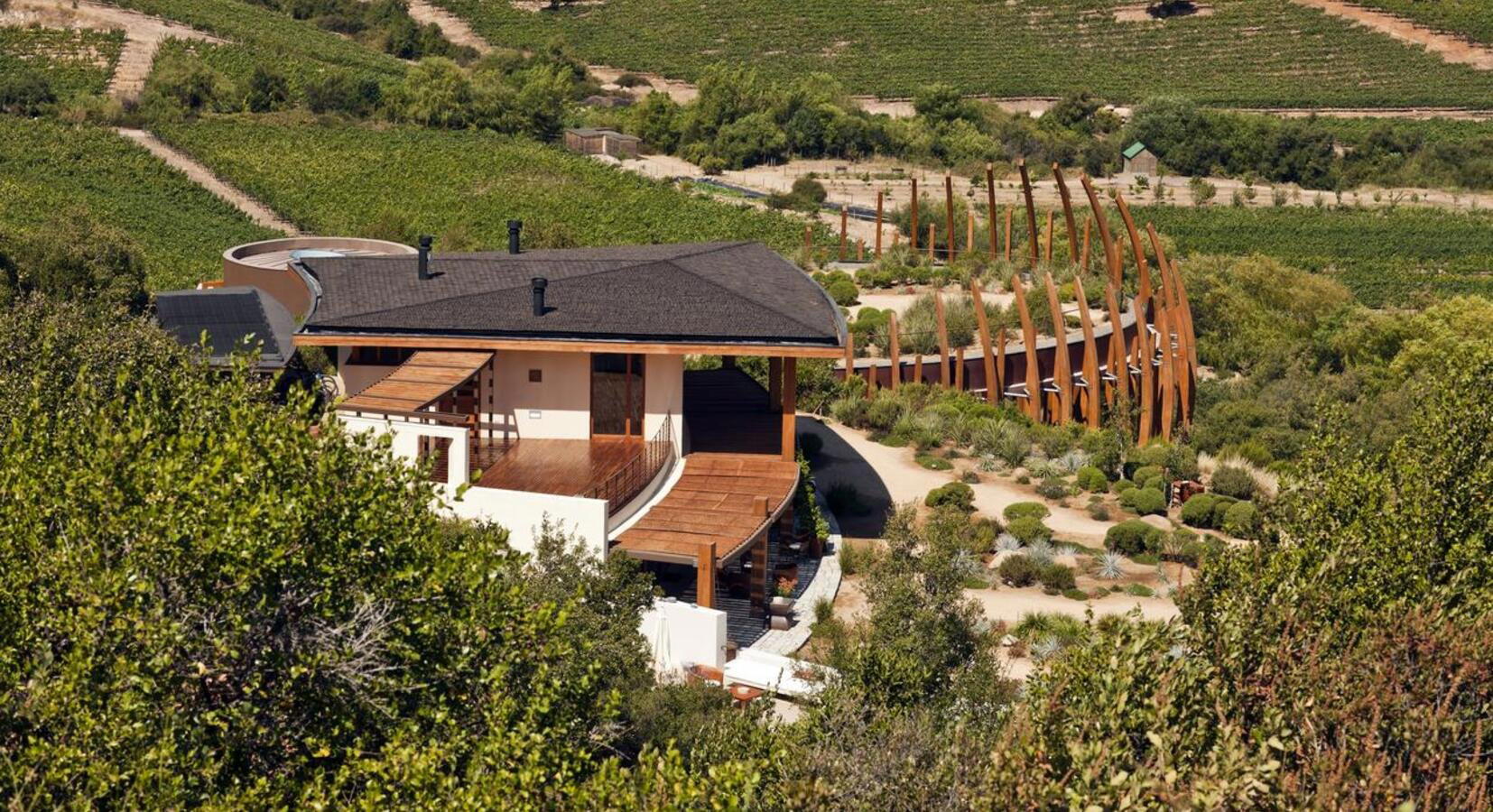
Santa Cruz, Chile
Clos Apalta earns its EP Club Pearl 4 Star Prestige rating through gravitational winemaking and an architectural statement that makes the property as compelling as the wine. Set in the Apalta Valley outside Santa Cruz, the winery integrates Old World technique with Chilean terroir in a structure designed around the slope itself — no pumps, no shortcuts, just gravity and time.

El trapiche, Argentina
Bodega Trapiche occupies a distinctive position in Mendoza's Maipú district, where Italian Renaissance architecture meets high-altitude Andean viticulture. Awarded EP Club's Pearl 3 Star Prestige in 2025, it represents the long-standing case for Argentine Bordeaux varietals as a serious category. For visitors tracing the Mendoza wine corridor, it anchors the south end of a coherent tasting itinerary.

Penafiel, Portugal
A family-owned estate half an hour from Porto, Quinta da Aveleda has shaped Vinho Verde's modern identity from grounds that date back to the seventeenth century. Its Pearl 2 Star Prestige rating for 2025 places it among Portugal's most recognised wine estates. The walled gardens, manor architecture, and working vineyard make it one of the Douro Litoral's most complete estate visits.

Krasnodar, Russia
Sikory Winery in Krasnodar offers a sensory voyage through the Semigorye Valley with estate-grown, terroir-led wines. The estate is known for its Riesling Family Reserve and single-vineyard Krasnostop Zolotovsky, plus a Bordeaux-style Cabernet blend. A 47.3-hectare estate that ages wines in French oak and in Russia’s rare concrete-aging spheres, Sikory Winery blends architecture, art and viticulture. Awarded a place in the World's Best Vineyards Top 50 (#20 in 2021), the property pairs panoramic valley views with an immersive glass-bottom tasting room and a structured Family Reserve five-wine degustation (approx. 15,000 RUB). The experience reads like travel and tasting in one elegant appointment.

Bekaa Valley, Lebanon
Château Oumsiyat in Bekaa Valley, Lebanon, is a family-run estate producing terroir-driven wines from 78 hectares at 1,000+ meters. Signature wines include Cuvée Membliarus (Assyrtiko), Château Oumsiyat Jaspe Rouge, and Desir (Tempranillo–Cabernet–Syrah–Carignan blend). Ranked #75 on the World's Best Vineyards 2024 list, the estate pairs high-altitude freshness and calcareous clay soils with hand-harvested fruit and modern cellar techniques led by winemaker Joseph Bou Sleiman. Tastings are appointment-only and often include a relaxed lunch and vineyard walks, with trails to five ancient palaces for travelers seeking history, altitude-driven aromatics, and a distinctly Mediterranean palate.
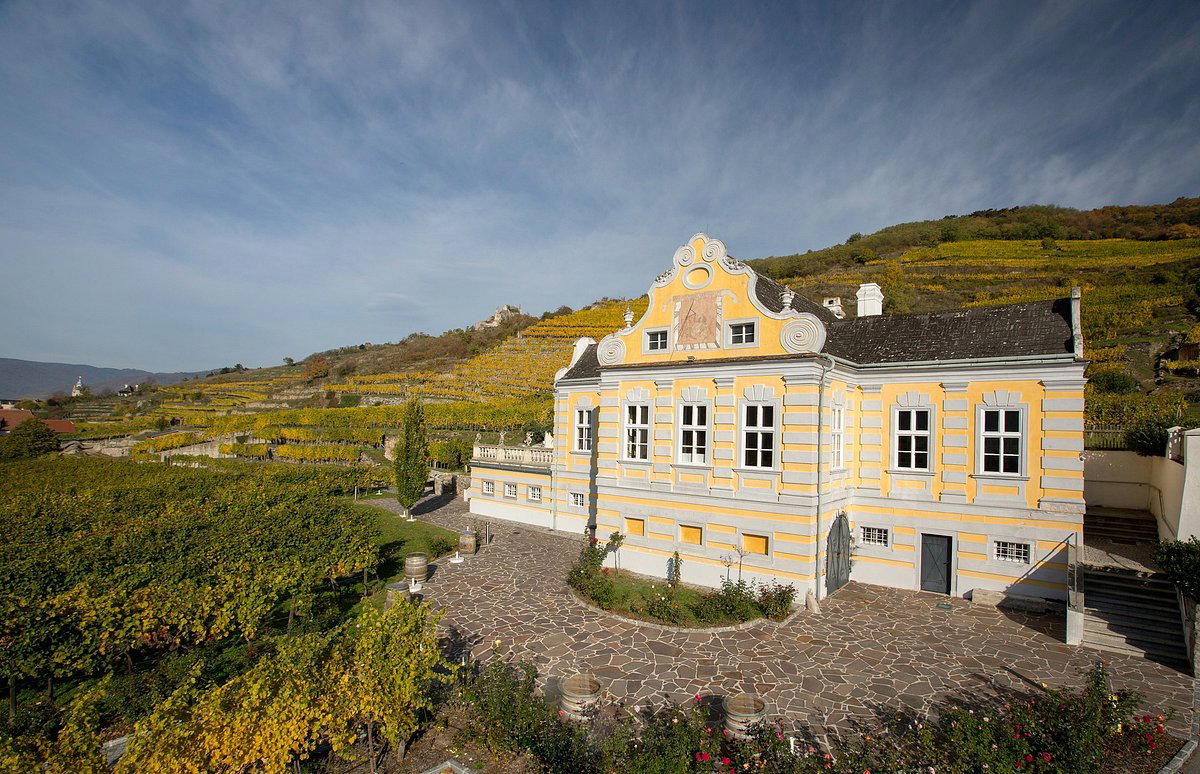
Dürnstein, Austria
Domäne Wachau sits above the Danube in Dürnstein, operating from a Baroque winery built over cellars that date back three centuries. As a co-operative representing a significant share of the Wachau's vineyard land, it offers tastings that contextualise the region's Grüner Veltliner and Riesling within the protected Vinea Wachau classification system. EP Club awarded it Pearl 4 Star Prestige in 2025.

Krasnodar, Russia
Lefkadia Valley in Krasnodar, Russia is an estate winery marrying ancient Black Sea viticulture with modern cellar craft. Production ranges from crisp Sauvignon Blanc to qvevri amber, traditional-method sparkling and native Krasnostop expressions. Recognized on the World's Best Vineyards list (#23, 2021), Lefkadia Valley pairs precision (cold chambers at 4–8°C, hand-harvested fruit) with theatrical heritage in a recreated Agora market. Tastings (≈1,500 RUB) and private tours deliver textured mineral whites, concentrated reds and distinctive amber wines framed by sculptural fountains and an 11-room Tuscan-style guesthouse.
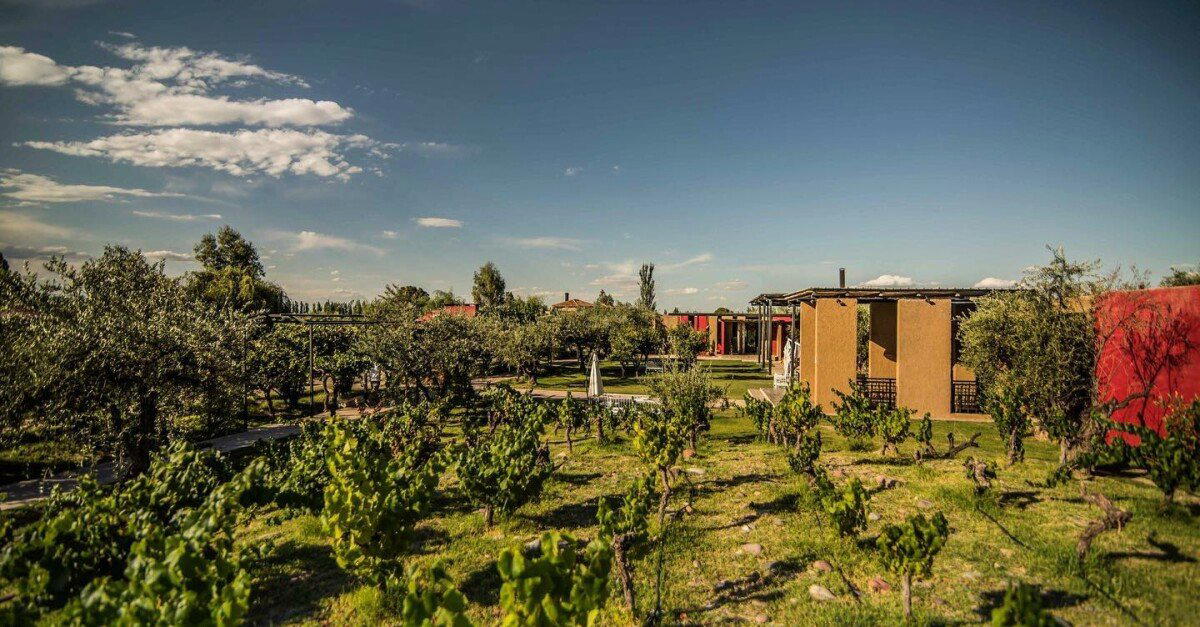
Maipú, Argentina
El Enemigo (Casa Vigil) occupies a distinct position in Maipú's winery scene, earning a Pearl 2 Star Prestige rating in 2025 for wines made deliberately outside convention. The project, rooted in a philosophy that treats tradition as something to interrogate rather than inherit, has grown from a side venture into a serious tasting destination on the Mendoza circuit.
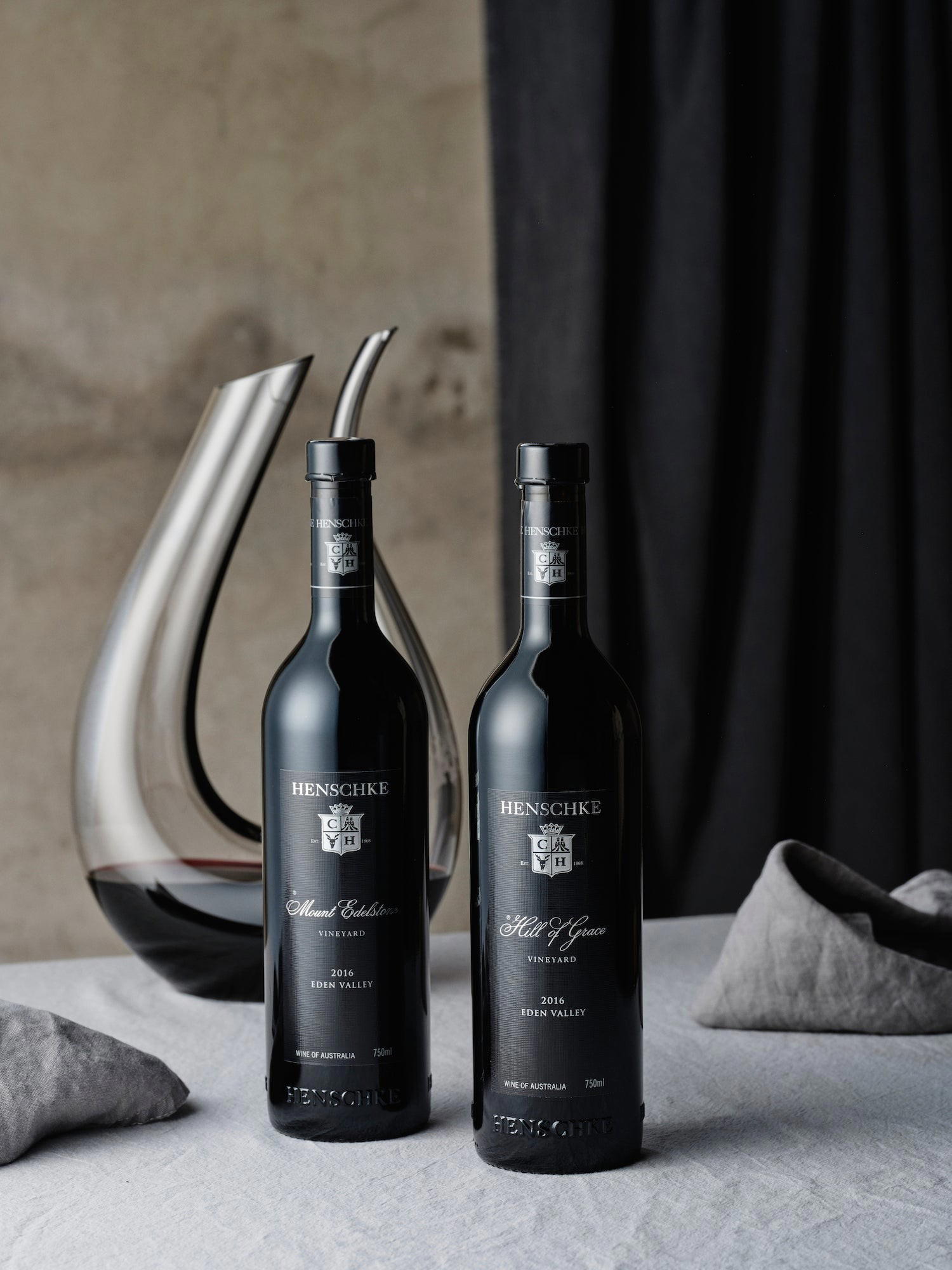
Keyneton, Australia
Henschke sits at the older, more serious end of the Eden Valley and Barossa continuum, where five generations of family winemaking have shaped some of Australia's most scrutinised Shiraz. The Hill of Grace vineyard, planted with pre-phylloxera vines, is the centrepiece. Stephen and Prue Henschke hold a Pearl 3 Star Prestige rating (2025), placing them firmly among Australia's First Families of Wine.

Pacs del Penedès, Spain
Set among the limestone-laced hills of Pacs del Penedès, Familia Torres is one of Catalonia's most historically grounded estates and the recipient of a Pearl 4 Star Prestige rating in 2025. The property extends the winery visit into something closer to a cultural programme, pairing its viticulture with structured astronomical evenings led by specialists from the Observatori Astronòmic del Garraf. It sits at the serious end of the Penedès experience tier.

Melgaço, Portugal
A three-bedroom cottage on Soalheiro's tea plantation in Melgaço places guests inside the Vinho Verde production zone rather than simply adjacent to it. EP Club awarded this stay a Pearl 2 Star Prestige rating in 2025, reflecting a format where the terroir is the setting. Herbal infusions drawn from the surrounding gardens signal the sensory register that defines the experience.
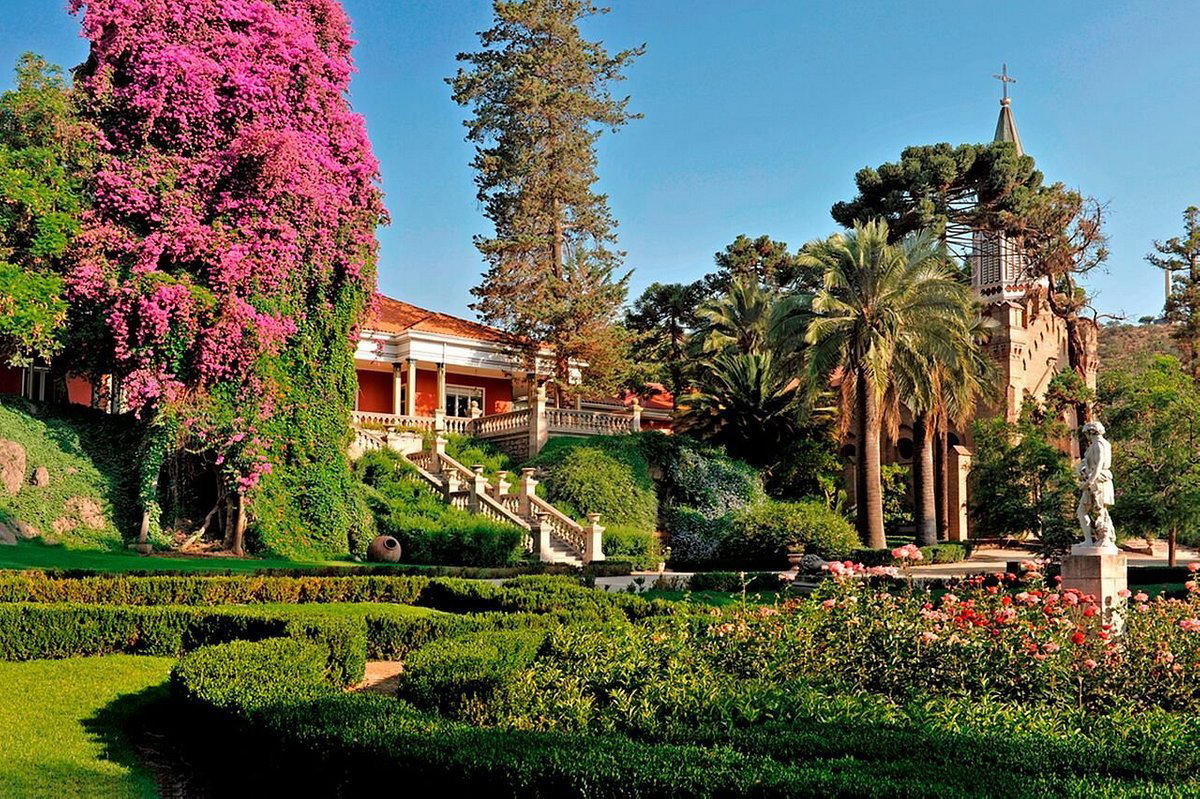
Buin, Chile
Viña Santa Rita sits in the Maipo Valley appellation south of Santiago, holding a Pearl 3 Star Prestige rating from EP Club in 2025. The estate's 40-hectare vineyard is navigable by horse-drawn carriage or pedal bar, making it one of the more experiential wine properties in Chile's central valley. The format suits visitors who want direct engagement with the land rather than a purely tasting-room encounter.
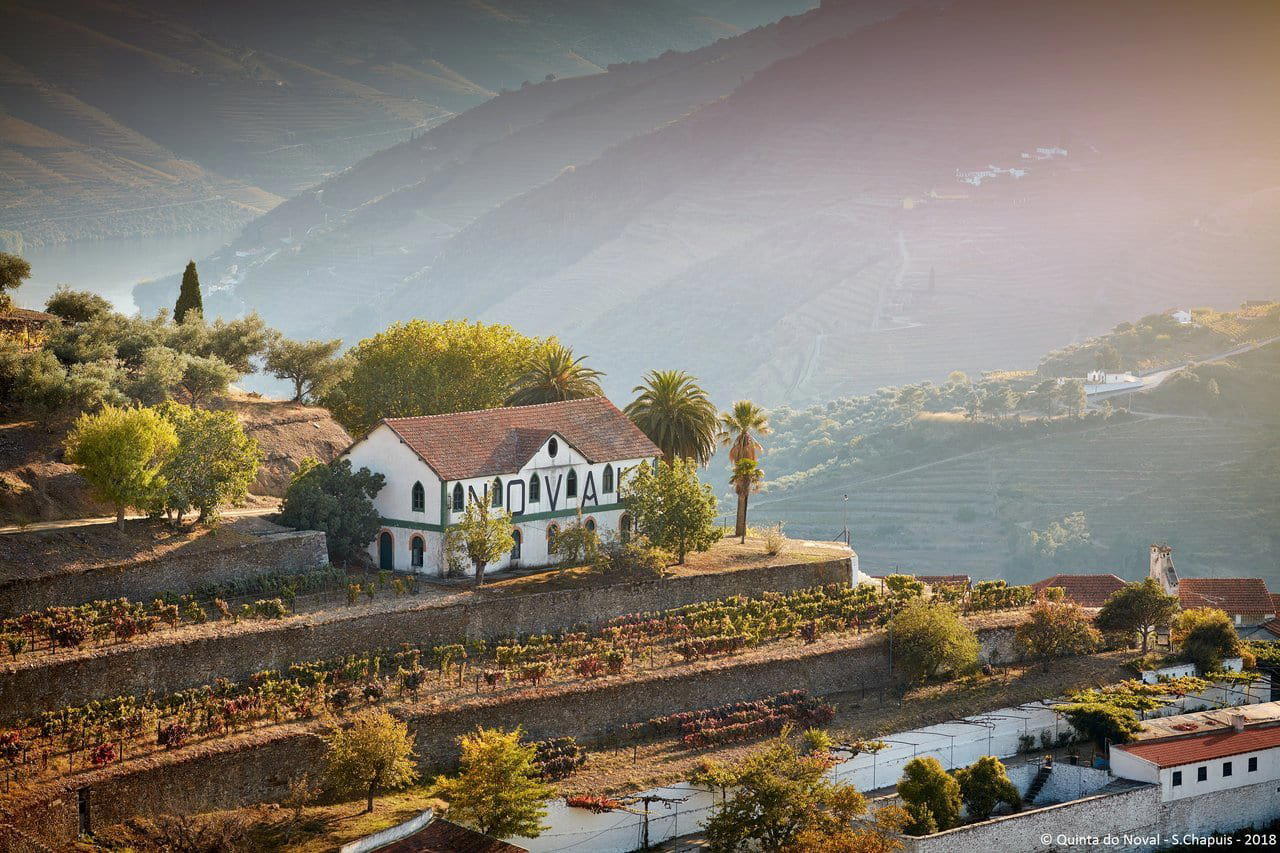
Pinhão, Portugal
Among the Douro Valley's Port producers, Quinta do Noval holds some of the oldest terraced vineyards along the river's steep slopes above Pinhão. Awarded Pearl 4 Star Prestige in 2025, it sits in a category defined by heritage vine stock and serious critical standing. Travellers who visit for the landscape alone rarely leave without a deeper understanding of what age and altitude do to a vine.
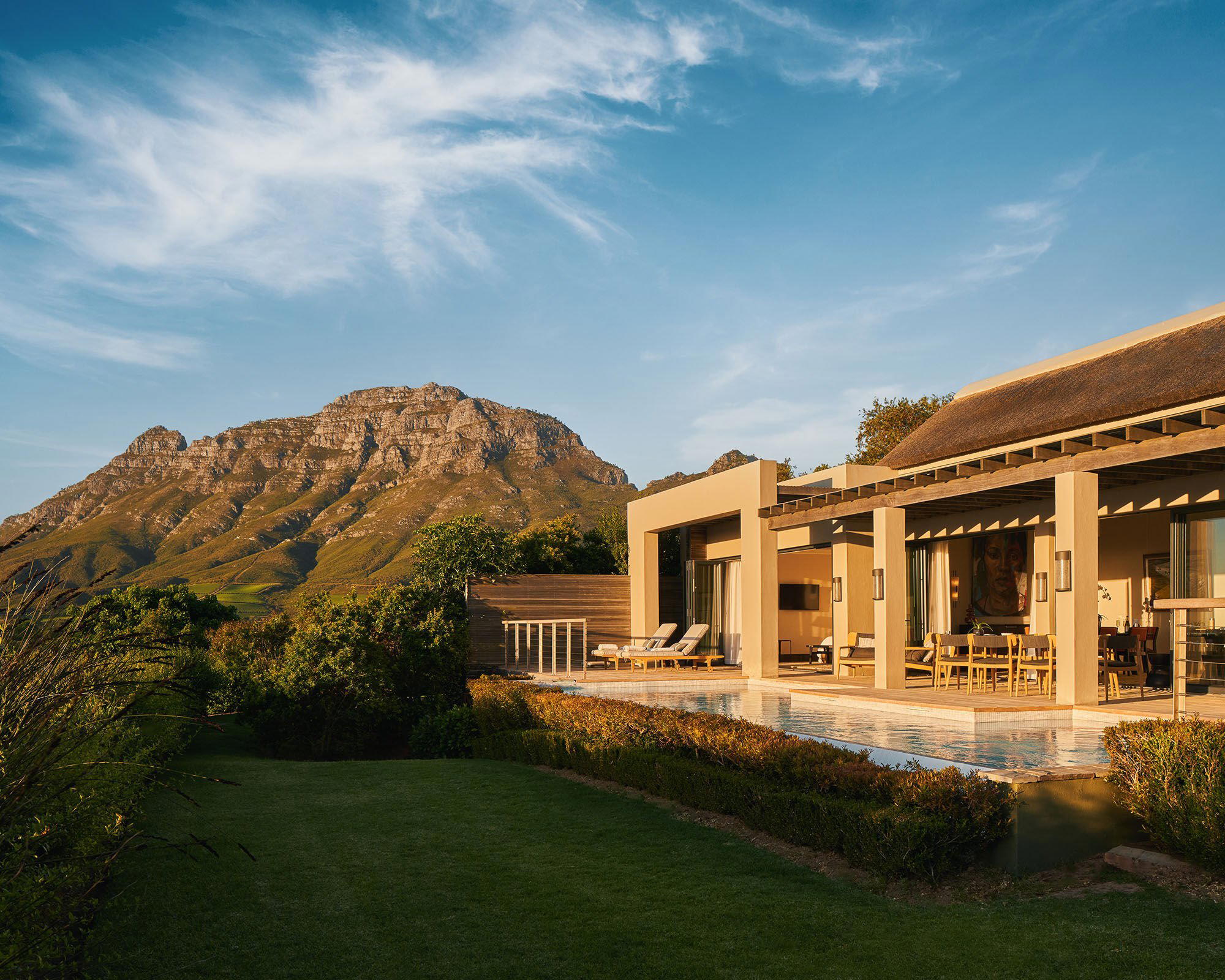
Stellenbosch, South Africa
Sitting on the Helshoogte Pass above Stellenbosch, Delaire Graff Estate combines a Pearl 3 Star Prestige-rated wine program with luxury lodge accommodation and a restaurant of serious architectural ambition. Owned by British jeweler Laurence Graff OBE, the property positions itself at the upper tier of Cape Winelands estate experiences, where vineyard views, botanical gardens, and private plunge pools converge with a focused hospitality offering.

McLaren Vale, Australia
d'Arenberg sits at the architectural and philosophical edge of McLaren Vale's winery scene. Its Rubik's Cube-inspired building is visible from across the estate, and ambient sound installations greet visitors on approach. Awarded Pearl 3 Star Prestige in 2025, the property represents one of the region's most discussed intersections of art, wine, and place. Plan visits in advance; demand consistently outpaces casual walk-in access.
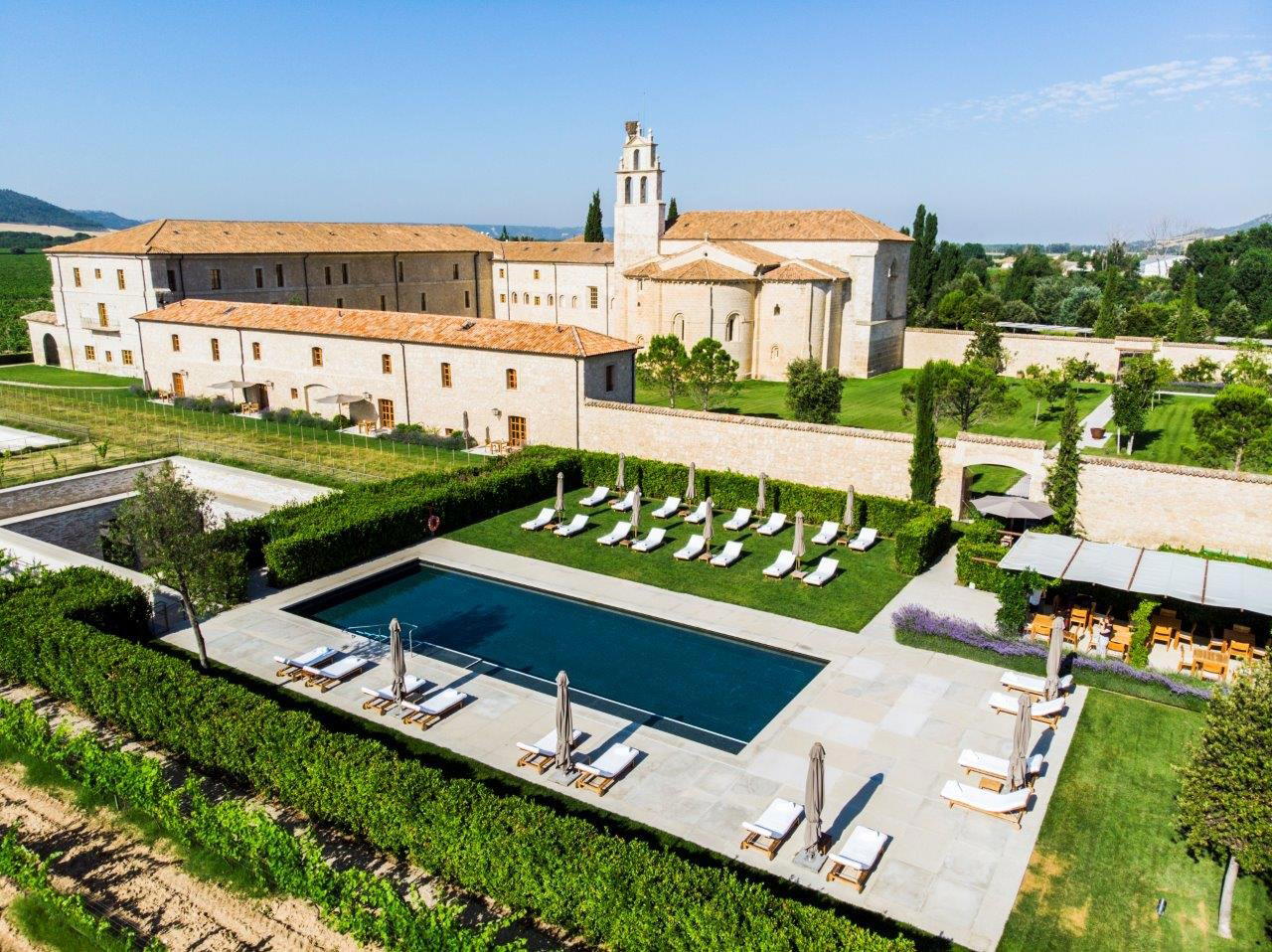
Sardón de Duero, Spain
A twelfth-century monastery on the Duero River that now functions as one of Castile's most considered winery estates, Abadía Retuerta earned four Decanter medals in 2025, including Gold, and holds a Pearl 3 Star Prestige rating. The estate produces wines drawn from a mosaic of soil types across its historic grounds, with overnight stays available in the converted abbey buildings.
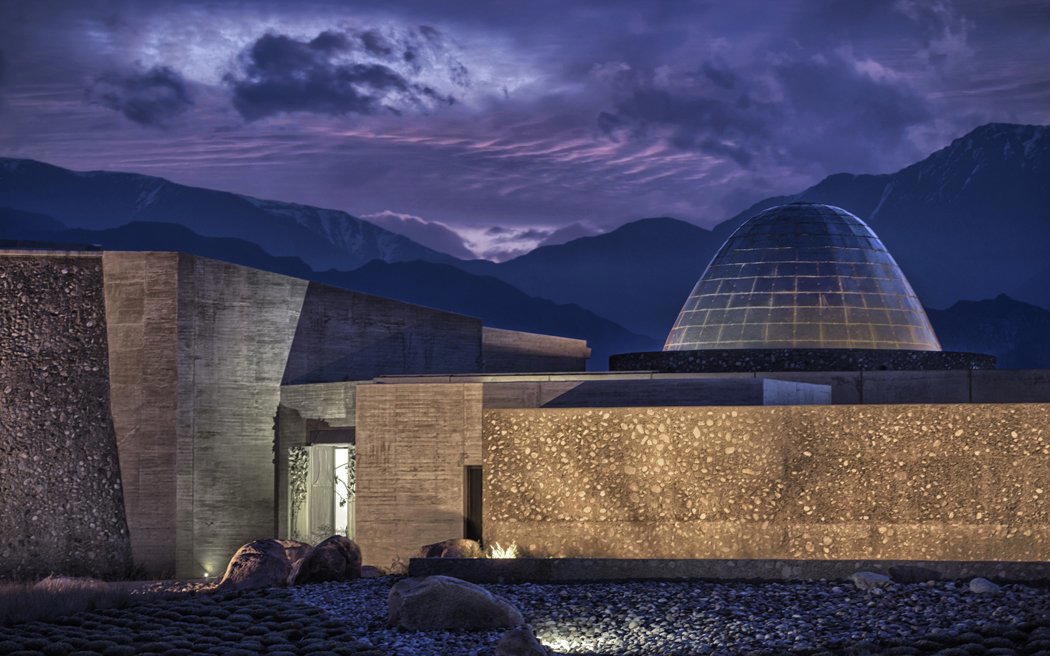
Nagano Prefecture, Japan
Château Mercian Mariko Winery sits in Ueda, Nagano Prefecture, operating under the banner of Japan's first private wine company and earning a Pearl 2 Star Prestige rating in 2025. The property's position beside Ippongi Park, with its celebrated cherry tree, gives the site a seasonal character that few Japanese wineries can match. For visitors tracking the country's serious wine movement, Mariko is a reference stop.
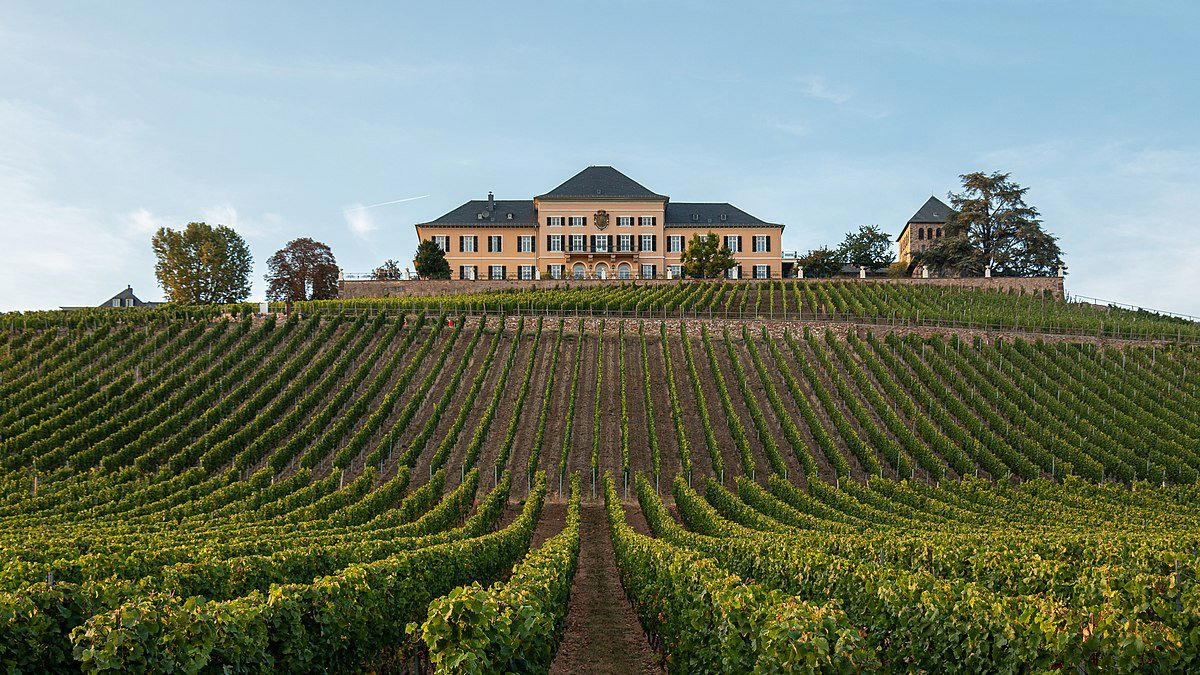
Geisenheim-Johannisberg, Germany
A Neoclassical palace above the Rhine, Schloss Johannisberg holds a documented place in German wine history as the first estate dedicated entirely to Riesling, with vines traced to 817 AD. Awarded Pearl 4 Star Prestige in 2025, it remains the reference point for Rheingau Riesling and a site where centuries of site-specific viticulture are still readable in the glass.
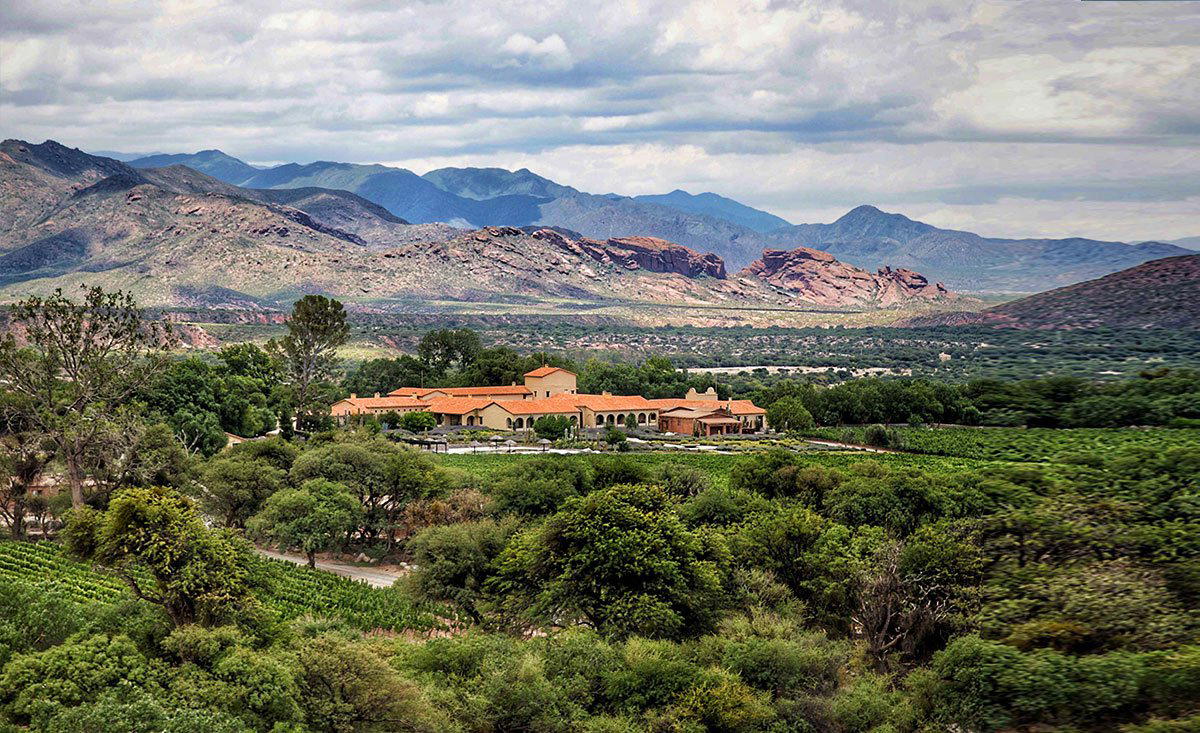
Molinos, Argentina
At 3,111 metres above sea level, Bodega Colomé operates at altitudes that define the outer limit of viable viticulture. Its Altura Máxima vineyard holds the record as one of the world's highest, producing Malbec and Torrontés shaped by intense UV, thin air, and dramatic diurnal swings. Awarded a Pearl 3 Star Prestige rating in 2025, Colomé is the reference point for high-altitude Salta winemaking.

Pauillac, France
A Premier Grand Cru Classé en 1855 operating from its Pauillac estate since 1780, Château Mouton Rothschild holds EP Club's Pearl 5 Star Prestige rating for 2025. The estate is as recognized for its art-label programme — running since 1945 with artists including Picasso, Dalí, and Bacon — as for the Cabernet Sauvignon-dominant blends under winemaker Philippe Dhalluin that define Pauillac's upper tier.

Adelaide, Australia
Founded in 1844 at Magill on Adelaide's eastern fringe, Penfolds is the winery that repositioned Australian Shiraz in global fine wine conversation. Under Chief Winemaker Peter Gago, the estate produces across a broad range — from accessible Bin series to Grange, one of the southern hemisphere's most scrutinised wines. EP Club awarded Penfolds its Pearl 5 Star Prestige rating in 2025.
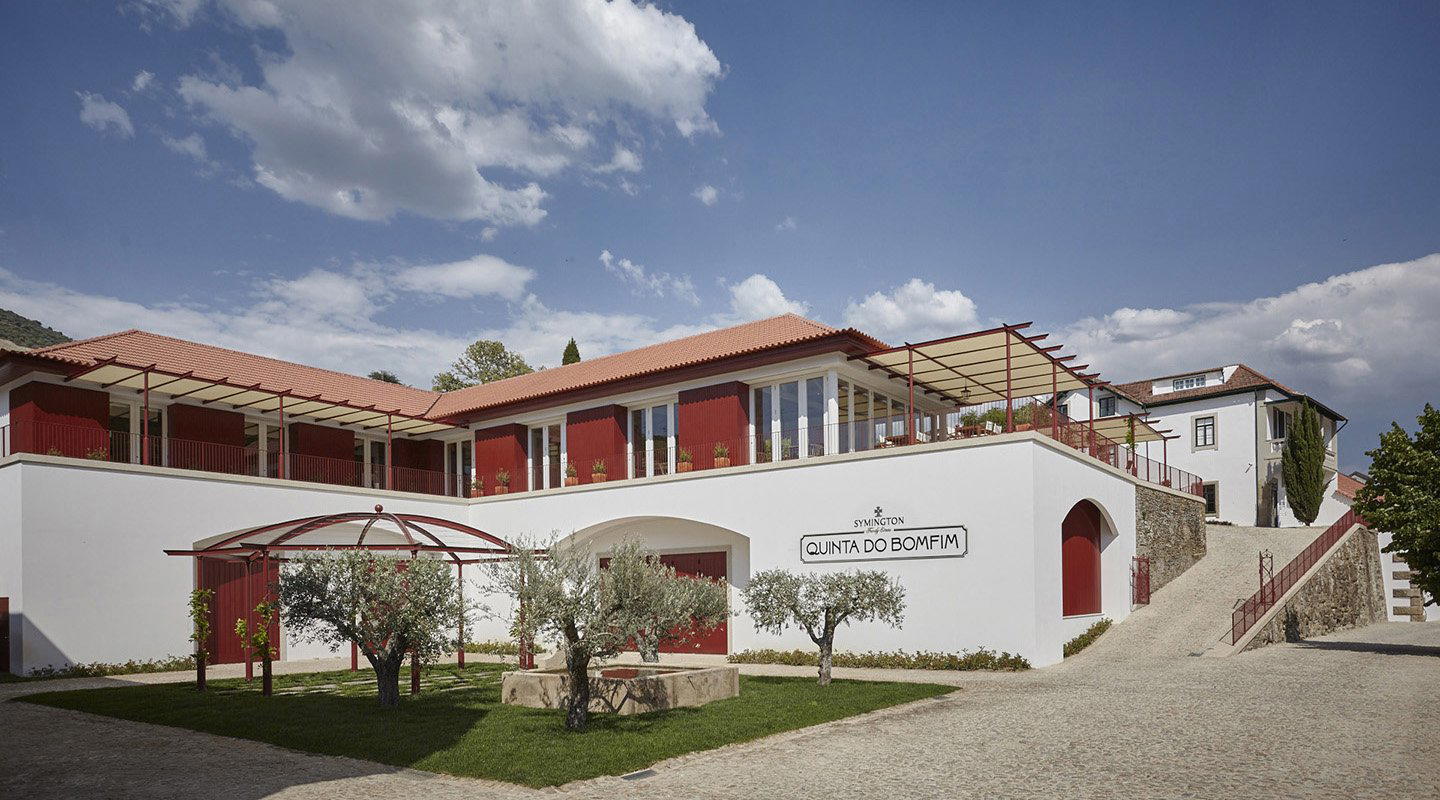
Pinhão, Portugal
Quinta do Bomfim sits above the Douro in Pinhão, where the Symington family has produced Dow's Port across five generations. Holding a 2025 EP Club Pearl 3 Star Prestige rating, the estate combines one of the valley's most commanding terrace views with tasting formats that move seriously through Dow's Port range. It is the Cima Corgo's clearest argument for planning a dedicated visit rather than passing through.
Bekaa Valley, Lebanon
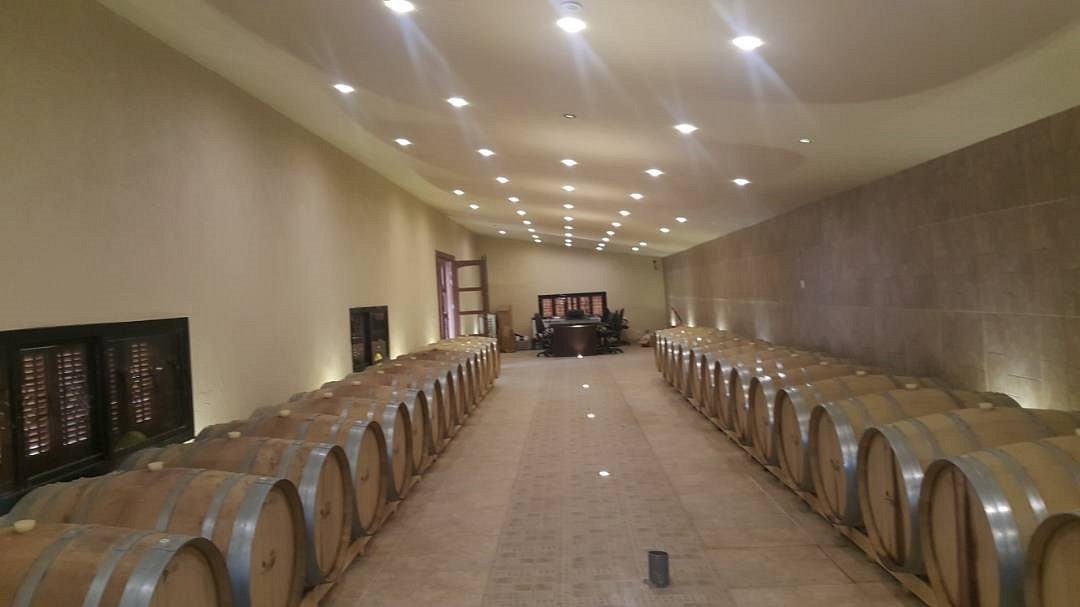
Château Héritage sits in Qob Elias, in Lebanon's Bekaa Valley, a wine region with documented cultivation stretching back to Phoenician and Roman antiquity. The estate holds a Pearl 2 Star Prestige rating (2025), placing it in the upper tier of Bekaa producers. For visitors tracing the relationship between ancient terroir and contemporary Lebanese winemaking, Château Héritage is a serious reference point.

Oakville, United States
Robert Mondavi Winery, established in Oakville in 1966, holds a foundational position in California's premium wine tradition. The estate's To Kalon Reserve range, produced under winemaker Geneviève Janssens, sits at the upper tier of Napa Cabernet programming. A Pearl 3 Star Prestige award (2025) confirms its continued place among Oakville's serious tasting destinations.
Casablanca, Chile
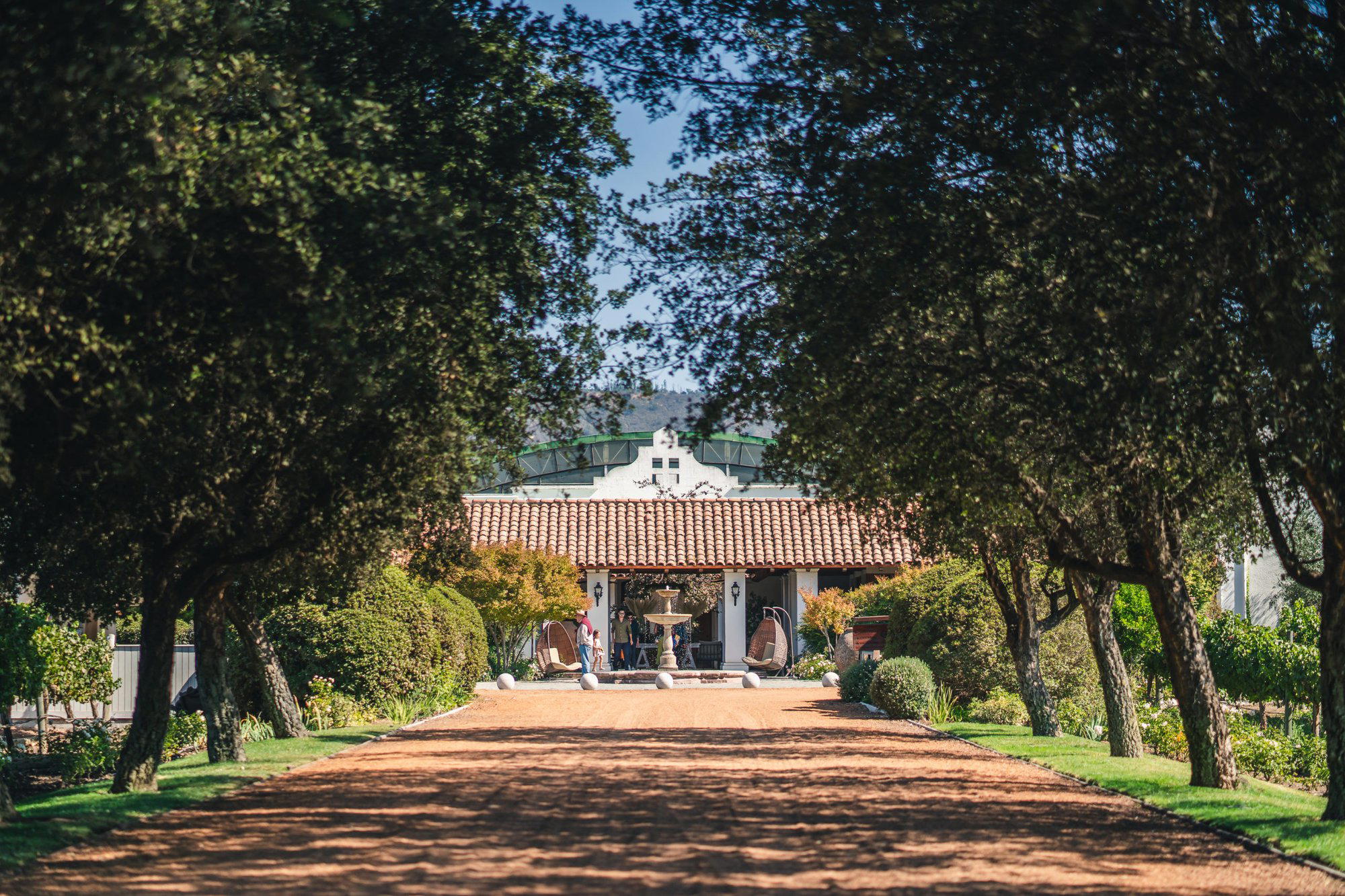
Casas del Bosque in Casablanca Valley, Valparaíso Region, Chile crafts precise cool-climate wines with an emphasis on terroir-driven freshness. The estate produces signature bottlings including Pequeñas Pinot Noir (2019), Pequeñas Sauvignon Blanc (2020) and a late-harvest Riesling aged in French oak. Under winemaker Alberto Guolo, production balances restrained vinification, organic blocks, and modern cellar technology to highlight saline coastal notes and vibrant acidity. Recognized by critics—Pequeñas wines have earned 91–93 point scores—visitors encounter curated flights, vineyard lookouts, and the on-site Tanino restaurant. Tastings and tours run from approximately €110 to €393 per person and are typically seasonal and by appointment.

Mendoza, Argentina
SuperUco in Mendoza crafts biodynamic, high-altitude wines from the Uco Valley, emphasizing native fermentation and minimal intervention. Signature expressions such as SuperUco Malbec, SuperUco Cabernet Franc and SuperUco Sauvignon Blanc showcase intense mountain acidity, chalky minerality and concentrated dark-fruit layers aged in French oak and concrete eggs. Recognized by World's Best Vineyards and honored by Great Wine Capitals' Best of Wine Tourism, SuperUco pairs intimate, family-led 90-minute vineyard tours with hands-on experiences—harvest participation, foot-treading and barrel tastings—delivered with warm, local hospitality. Expect small-production allocation bottlings that capture Los Chacayes’ stony soils, cool nights at 1,100–1,450 meters, and wines that feel vivid, precise and terroir-driven.

Casablanca, Chile
Bodegas RE sits on Camino Lo Ovalle in the Casablanca Valley, roughly an hour from Santiago, and holds a Pearl 2 Star Prestige rating from EP Club for 2025. Among Casablanca's wineries, it occupies a category apart — a producer committed to approaches that diverge sharply from the valley's mainstream. For visitors who want to understand what the region can do beyond its comfort zone, this is the address.
Cape Town, South Africa
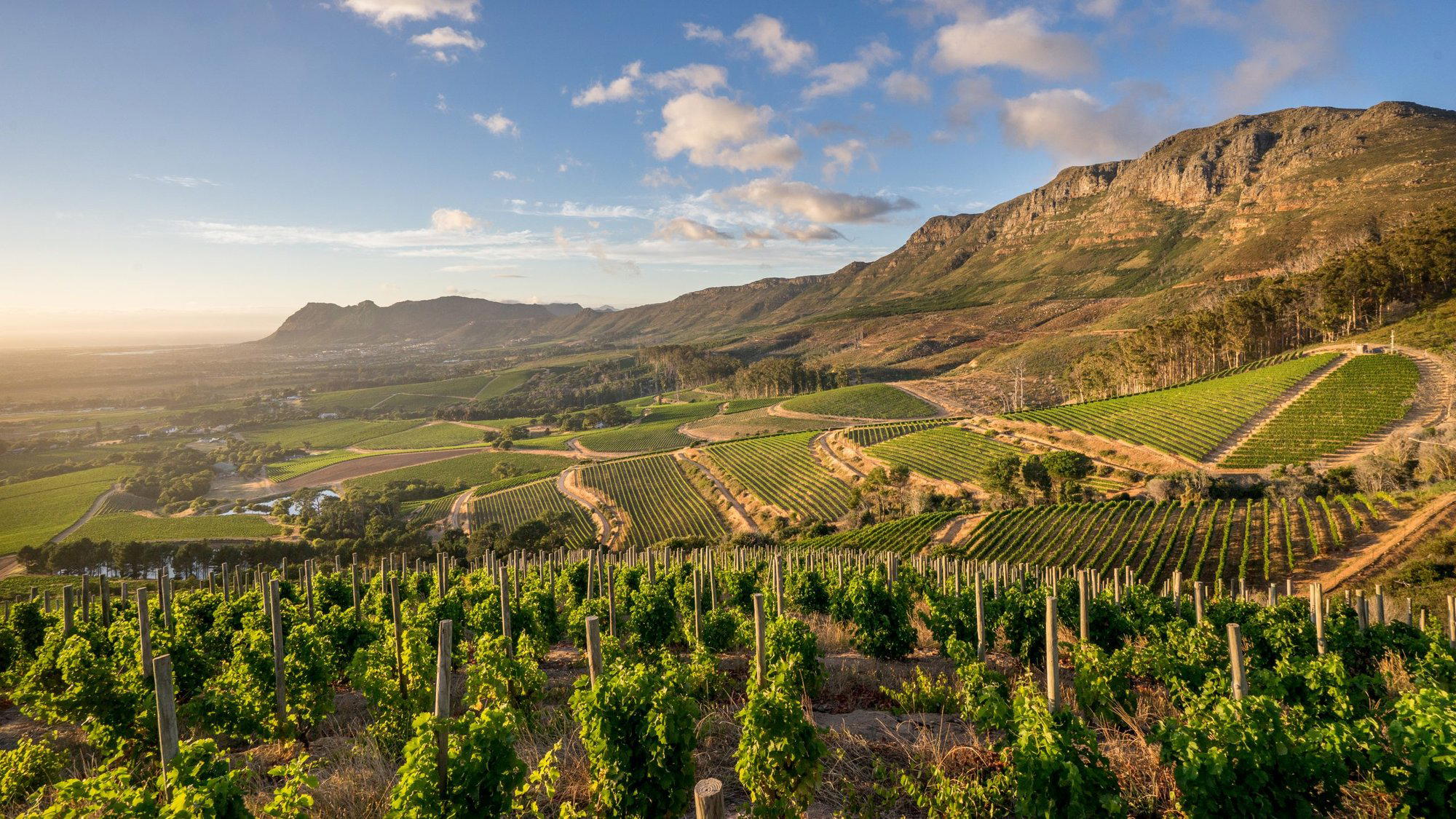
Klein Constantia sits at the end of Klein Constantia Road in the Constantia valley, producing wines from one of the Cape's oldest wine-growing corridors. The estate holds Pearl 4 Star Prestige recognition for 2025 and is historically associated with Vin de Constance, a sweet wine whose reputation stretches back centuries — to Napoleon Bonaparte's final days, by documented account.
Santa Cruz, Chile
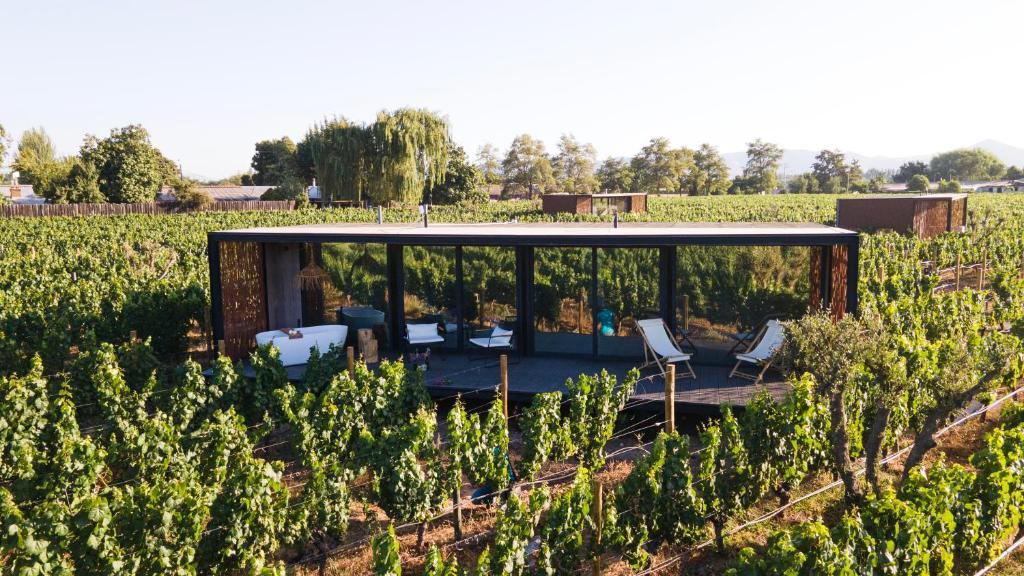
Viña Viu Manent sits at kilometre 37 of the Ruta del Vino in Chile's Colchagua Valley, where some of the estate's oldest vineyard blocks have been cultivated for generations. Awarded Pearl 2 Star Prestige recognition in 2025, the property offers one of the valley's most distinctive estate experiences, including carriage tours through plots that trace Colchagua's winemaking history at ground level.
Bernkastel-Kues, Germany
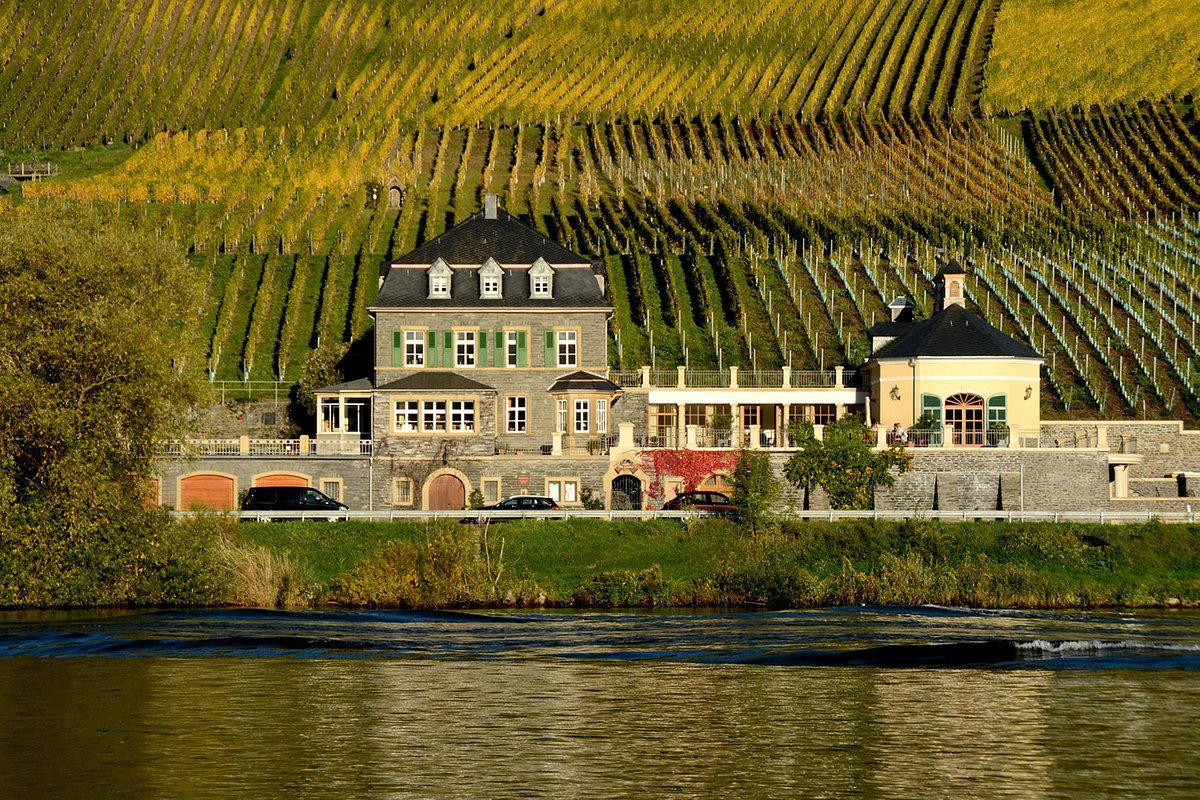
Weingut Dr. Loosen occupies a historic estate on the B53 in Bernkastel-Kues, at the heart of the Mosel's steepest slate-terraced vineyards. Holding a Pearl 4 Star Prestige rating in 2025, the estate is among Germany's most internationally recognised Riesling producers, with Dr. Ernie Loosen credited as one of the grape's most effective global advocates. It is a reference address for anyone serious about understanding what old-vine Riesling from blue-grey Devonian slate actually tastes like.

Cupertino, United States
At 800 metres above the Santa Cruz Valley floor, Ridge Vineyards has been shaping California's relationship with terroir-driven winemaking since its first vintage in 1962. With some of the oldest vines in the United States climbing the rugged Montebello ridge, and winemaker John Olney holding the line on site-expressive viticulture, Ridge earned a Pearl 4 Star Prestige rating in 2025 and remains a reference point for serious New World collectors.

بحمدون, Lebanon
Château Cana sits on Kroum Street in Bhamdoun, in the pine-covered Lamartine Valley of Mount Lebanon — a highland wine address that earned a Pearl 1 Star Prestige in 2025. The setting alone positions it within Lebanon's smaller tier of altitude-driven estates, where elevation and forest-cooled summers shape the wines as decisively as the winemaker's hand. For those tracing Lebanese wine beyond the Bekaa, this is a serious stop.
Peso da Régua, Portugal
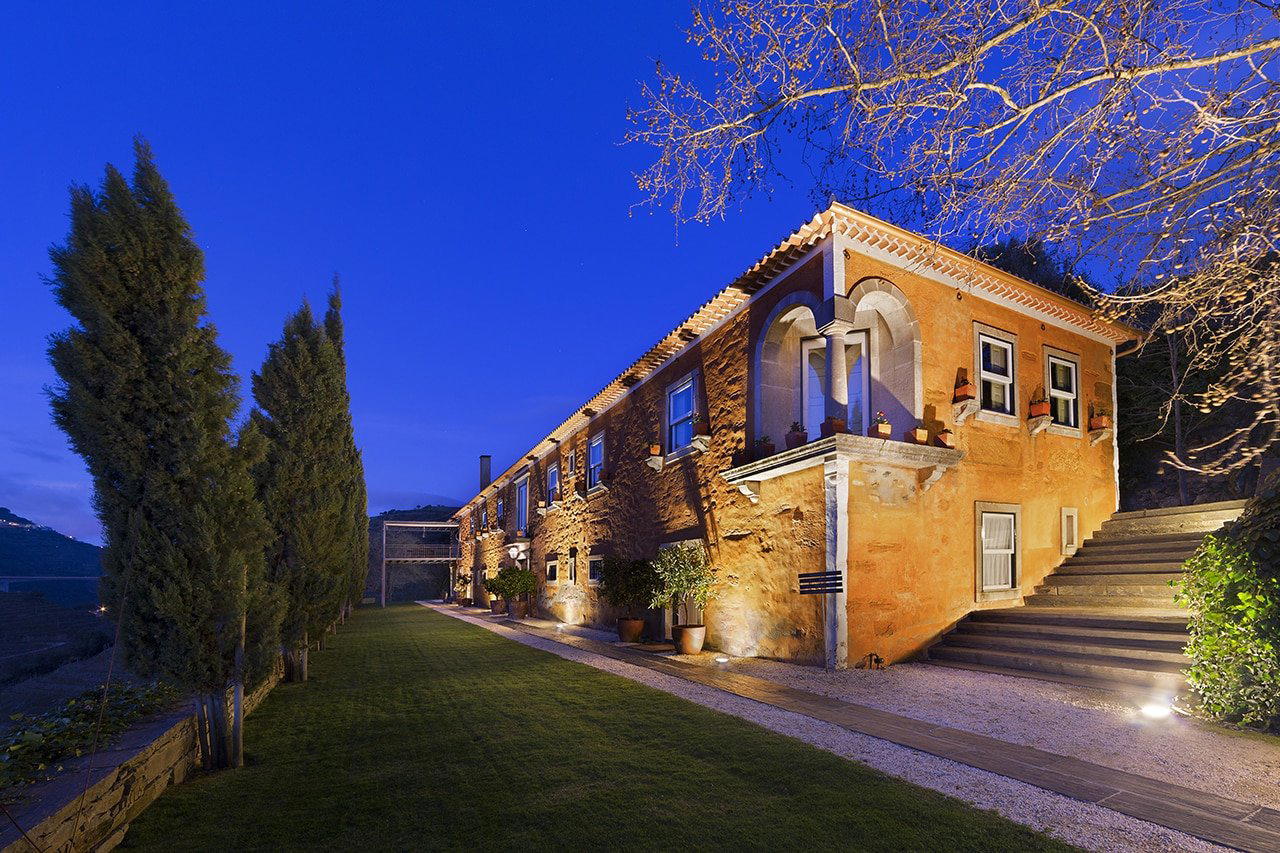
An estate with roots to 1716, Quinta do Vallado operates two boutique hotels set against the Douro Valley's terraced schist slopes near Peso da Régua. Awarded Pearl 3 Star Prestige in 2025, the property sits at the serious end of wine-estate hospitality in Portugal, where the vineyards themselves shape the visitor experience as much as the accommodation does.

Sabrosa, Portugal
One of the Douro Valley's earliest certified organic estates, Quinta do Infantado earned a Pearl 2 Star Prestige rating in 2025 and offers harvest-season vineyard experiences where visitors join the team with secateurs in hand. Located near Pinhão in the heart of the Douro's schist terraces, this is a working quinta with a low-intervention philosophy that predates the region's current organic turn by decades.
Find out on Pearl and keep score across every place in 2021 World's 50 Best Vineyards.
Overview
The 2021 World's 50 Best Vineyards represents 50 wine estates across 16 countries and 43 cities. Zuccardi Valle de Uco in Argentina's Tunuyán region claimed the top position, followed by Marqués de Riscal in Spain's Rioja and Château Margaux in France. The list marks a complete departure from the previous edition, with all 50 vineyards appearing for the first time.
This edition shows strong South American representation in the top 10, with Argentina claiming positions 1 and 7 (Zuccardi Valle de Uco and Catena Zapata), Chile securing spots 5 and 8 (Viña Montes and Viña VIK), and Uruguay placing at #4 with Bodega Garzón. European wineries maintain presence through Spain's dual entries at positions 2 and 9 (Marqués de Riscal and González Byass), France's Château Margaux at #3, and Italy's Antinori nel Chianti Classico at #6. South Africa rounds out the top 10 with Creation Wines in Hermanus. The 50 selections span 43 different cities across the 16 participating countries, indicating geographic diversity in the selection criteria.
The 2021 World's 50 Best Vineyards delivered a complete reset from its previous edition, replacing all 49 entries with an entirely new roster focused exclusively on wine estates. Zuccardi Valle de Uco in Argentina's Mendoza province took the lead position, displacing the previous top entry entirely. The rankings favor South American wine regions in the upper tier, with four of the top eight positions going to estates in Argentina, Chile, and Uruguay. European producers from France, Spain, and Italy maintain strong showings, while South Africa claims the #10 spot.
The 2021 edition represents a fundamental shift in scope from the previous year, moving from a broader hospitality focus to concentrate exclusively on vineyard destinations. All 50 positions are new entries, with the previous top venue and 49 others dropping from consideration. The geographic spread covers 16 countries across 43 cities, though the concentration of South American estates in top positions signals particular strength in Argentina and Chile's wine tourism infrastructure.
Argentina places two vineyards in the top 10—Zuccardi Valle de Uco at #1 and Catena Zapata at #7—both in the Mendoza region. Chile matches this with Viña Montes (#5) and Viña VIK (#8). Spain also secures two top-10 positions with Marqués de Riscal (#2) and González Byass (#9), representing both Rioja and Jerez regions. France's Château Margaux (#3), Italy's Antinori nel Chianti Classico (#6), Uruguay's Bodega Garzón (#4), and South Africa's Creation Wines (#10) complete the upper tier.
The complete turnover from the previous edition makes direct performance comparisons impossible, though the shift suggests either a change in judging criteria or a redefinition of eligible venue types between years.

