
Hotel in Hochgurgl, Austria
TOP Hotel Hochgurgl
625ptsAltitude-First Alpine Precision

About TOP Hotel Hochgurgl
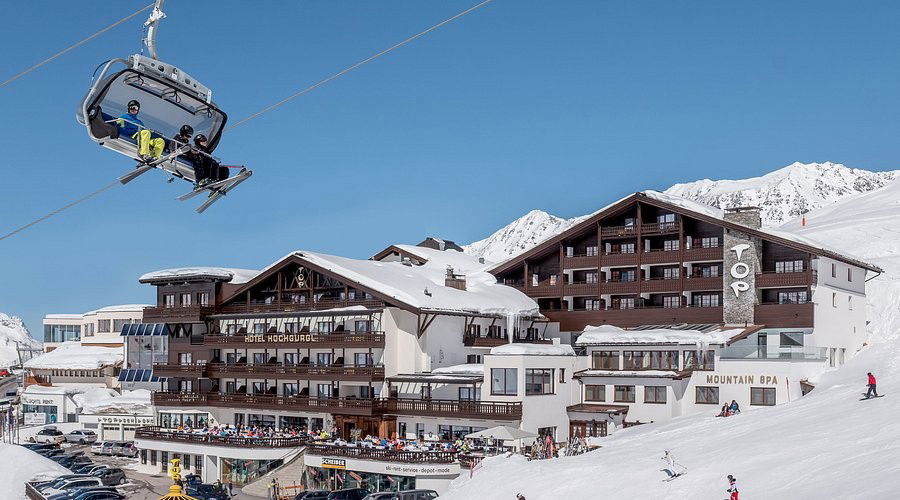
At 2,150 metres above sea level, TOP Hotel Hochgurgl holds a Michelin 2 Keys (2024) rating and 71 rooms designed around a clean, contemporary alpine aesthetic. Ski-in/ski-out access is direct, the outdoor pool overlooks the pistes, and arched doorways with glass-fronted fireplaces keep the interiors from feeling clinical. It sits at the sharper end of Tyrolean ski hotel design.
Where Altitude Meets Architectural Restraint
The highest village in the Ötztal Alps carries a specific logic: at around 2,150 metres, Hochgurgl sits above the weather patterns that push cloud and rain through lower Tyrolean valleys, making it one of Austria's most reliable ski destinations across both early and late season. Hotels that operate at this altitude either lean into rustic chalet convention or take the harder architectural path of marrying contemporary design with a genuinely hostile mountain environment. LEADING Hotel Hochgurgl takes the latter route, and the result is a property that earns its Michelin 2 Keys recognition (2024) through spatial intelligence rather than decorative excess.
The building reads differently from the road than most ski hotels at this elevation. Where the regional default involves heavy timber cladding and folkloric detailing, the design here opts for cleaner geometry, with the structure's massing set to frame the mountain view rather than compete with it. Approaching from the village, the orientation feels deliberate: the main sightlines are calibrated towards the Gurgler Kamm ridge rather than inward towards the property itself. That discipline, holding back on visual noise so the terrain can do its work, is a consistent thread through the hotel's aesthetic decisions.
The Interior Logic: Clean Lines and Earned Warmth
Austrian alpine hotel design has spent the past decade splitting between two modes. One strand doubles down on Gemütlichkeit through dark-stained pine, antler references, and inherited craftsmanship vocabulary. The other, which includes a smaller cohort of properties in the Ötztal corridor and further west towards Lech and Vorarlberg, pursues a paired-back contemporary language while keeping specific warm touches to stop the result reading as cold. Hotel Almhof Schneider in Lech operates in a comparable register, and Alpen-Wellness Resort Hochfirst in nearby Obergurgl makes similar aesthetic choices across the valley.
At LEADING Hotel Hochgurgl, the rooms resolve that tension through a specific set of details: arched doorways that soften the geometry, glass-fronted fireplaces that make the fire visible without requiring maintenance ritual, and furnishings that keep colour palettes neutral so the light coming off the snow outside becomes the dominant visual event. Across 71 rooms, that approach scales without losing coherence. The contemporary finishes do not feel applied; they feel embedded in the building's reasoning. For a property of this size operating in a demanding mountain environment, maintaining that consistency through 71 rooms requires a degree of design discipline that not all Tyrolean ski hotels at this level achieve.
Comparison is useful here. Properties like DAS EDELWEISS in Grossarl and Alpinresort Schillerkopf in Bürserberg represent the broader category of design-conscious Austrian mountain hotels, each operating in different regional contexts but sharing the same underlying challenge: how to build something that feels specific to place without resorting to pastiche. The solutions differ by geography and ownership philosophy, but the 2 Keys Michelin recognition at Hochgurgl places this property in that same critical conversation.
The Spa and the Outdoor Pool at Altitude
Spa infrastructure at high-altitude ski hotels carries a different logic than at lowland resort properties. When the temperature outside sits reliably below zero for four or five months, and when guests return from six hours on piste with specific physiological needs, the spa becomes a functional asset rather than a luxury add-on. Hochgurgl's position, with a ski season that typically runs from late November through to late April depending on snowpack, means the spa sees consistent demand across that full window.
The outdoor pool at LEADING Hotel Hochgurgl is positioned to overlook the slopes directly, which is an architectural decision as much as a hospitality one. At this altitude, a heated outdoor pool in ambient temperatures of minus ten degrees or colder creates a sensory opposition that defines the experience: the thermal contrast between water temperature and air, the visual field of snow and lift infrastructure, the specific silence of a mountain evening. That kind of placement requires the building's massing and orientation to be designed around it from the outset rather than retrofitted. The fact that the pool reads as a centrepiece rather than an amenity suggests it was part of the original design brief.
For guests weighing spa depth against ski access, the combination at Hochgurgl sits in a narrower peer set than the broader Austrian mountain hotel category. Properties like Aktiv & Wellnesshotel Bergfried in Tux and Alpenresort Schwarz in Obermieming make spa programming a primary selling point, but neither operates at comparable ski-in/ski-out elevation.
Ski Access and the Hochgurgl Position
Ski-in/ski-out at genuine altitude is a harder architectural and logistical promise to keep than at lower ski villages, where gradients are gentler and infrastructure denser. At Hochgurgl, the connection to the Obergurgl-Hochgurgl ski area, one of Austria's most snow-secure resorts by virtue of its elevation, means the ski access is functionally reliable rather than conditional. The area's highest points push above 3,000 metres, which keeps the pistes in condition when lower Tyrolean resorts are dealing with marginal snowpack in early and late season.
That elevation reliability is a primary reason Hochgurgl attracts a particular kind of skiing guest: one who books early-season or Easter week deliberately, rather than as a fallback. A Google review score of 4.4 across 299 reviews reflects a guest base that is largely repeat or referral-driven, the kind of audience that returns to a specific altitude and snow reliability rather than sampling different resorts annually.
For guests flying into Innsbruck, the transfer to Hochgurgl runs approximately 90 minutes by road, taking the Ötztal valley route. The village itself is small enough that hotel orientation is direct once you arrive. Naturhotel Waldklause in Längenfeld sits on the same valley road, useful context for guests combining a Hochgurgl stay with a night at a lower-altitude property before or after the ski period.
Where It Sits in the Austrian Hotel Conversation
Austria's premium hotel market spans a wide range of formats: city palaces like Hotel Sacher Wien in Vienna, castle-conversion properties like Rosewood Schloss Fuschl in Hof bei Salzburg, and lakeside manor houses like Hotel Schloss Seefels in Techelsberg. The mountain ski hotel is a distinct sub-category within that, and within it, the properties that combine genuine ski-in/ski-out access with design-led interiors and meaningful spa infrastructure form a smaller list still.
LEADING Hotel Hochgurgl occupies that intersection. The Michelin 2 Keys (2024) recognition confirms it sits inside the evaluated tier of Austrian hospitality rather than the general market. At 71 rooms, it operates at a scale that supports proper staffing depth without crossing into the anonymous zone of large resort hotels. The design choices, the altitude positioning, and the spa infrastructure all point in the same direction: a property that takes its physical environment seriously as the primary design material.
For a broader read on where to eat and drink around the Ötztal area, our full Hochgurgl restaurants guide covers the local options. For comparison with other design-conscious Austrian mountain properties, Bergland Sölden Design- und Wellnesshotel in Sölden and Grand Tirolia Kitzbühel in Kitzbühel both represent relevant reference points in the same category, as does Alpine Resort Sacher Seefeld for guests interested in how the Sacher group translates its standards to a mountain context.
Frequently Asked Questions
What is the general vibe at LEADING Hotel Hochgurgl?
The mood is contemporary alpine rather than folkloric chalet. At 2,150 metres in the Ötztal Alps, the property holds a Michelin 2 Keys (2024) rating and 71 rooms that read as clean and calm rather than decoratively busy. The ski access is direct, the outdoor pool faces the slopes, and the interiors use specific warm details, arched doorways, glass-fronted fireplaces, to keep the modern finishes from feeling impersonal. It is a property that takes its mountain position seriously as an organising principle, not as a backdrop.
Which room offers the leading experience at LEADING Hotel Hochgurgl?
The database does not specify individual room categories, so a definitive answer here would require direct confirmation from the hotel. What the Michelin 2 Keys (2024) recognition and the property's design approach suggest is that rooms are built around the snow view and the mountain light as primary features. Given the orientation of the outdoor pool and the hotel's sightline logic towards the Gurgler Kamm, rooms facing the slopes would logically deliver the most coherent version of what the property promises architecturally. Confirming specific room types and availability is worth doing directly when booking.
What is the defining characteristic of LEADING Hotel Hochgurgl?
Altitude. Hochgurgl sits above most Austrian ski villages, and the hotel's design, spa positioning, and ski-in/ski-out access are all built around what that elevation makes possible: reliable snow, a heated outdoor pool with a below-zero ambient temperature around it, and mountain views that are unobstructed by lower terrain. The Michelin 2 Keys (2024) recognition and a Google score of 4.4 across 299 reviews confirm that the property delivers on that premise consistently rather than conditionally.
Recognized By

Related editorial
- Best Fine Dining Restaurants in ParisFrom three-Michelin-star icons to the next generation of Parisian chefs pushing boundaries, these are the restaurants that define fine dining in the world's culinary capital.
- Best Luxury Hotels in RomeFrom rooftop terraces overlooking ancient ruins to Michelin-starred hotel dining, these are the luxury hotels that make Rome unforgettable.
- Best Cocktail Bars in KyotoFrom sleek lounges to hidden speakeasies, Kyoto's cocktail scene blends Japanese precision with global influence in ways you won't find anywhere else.
Save or rate TOP Hotel Hochgurgl on Pearl
Keep this venue in your Pearl passport, rate it after you visit, and track it alongside every other place you collect.