
Hotel in Dallas, United States
Rosewood Mansion on Turtle Creek
1,225ptsConverted-Estate Luxury




About Rosewood Mansion on Turtle Creek
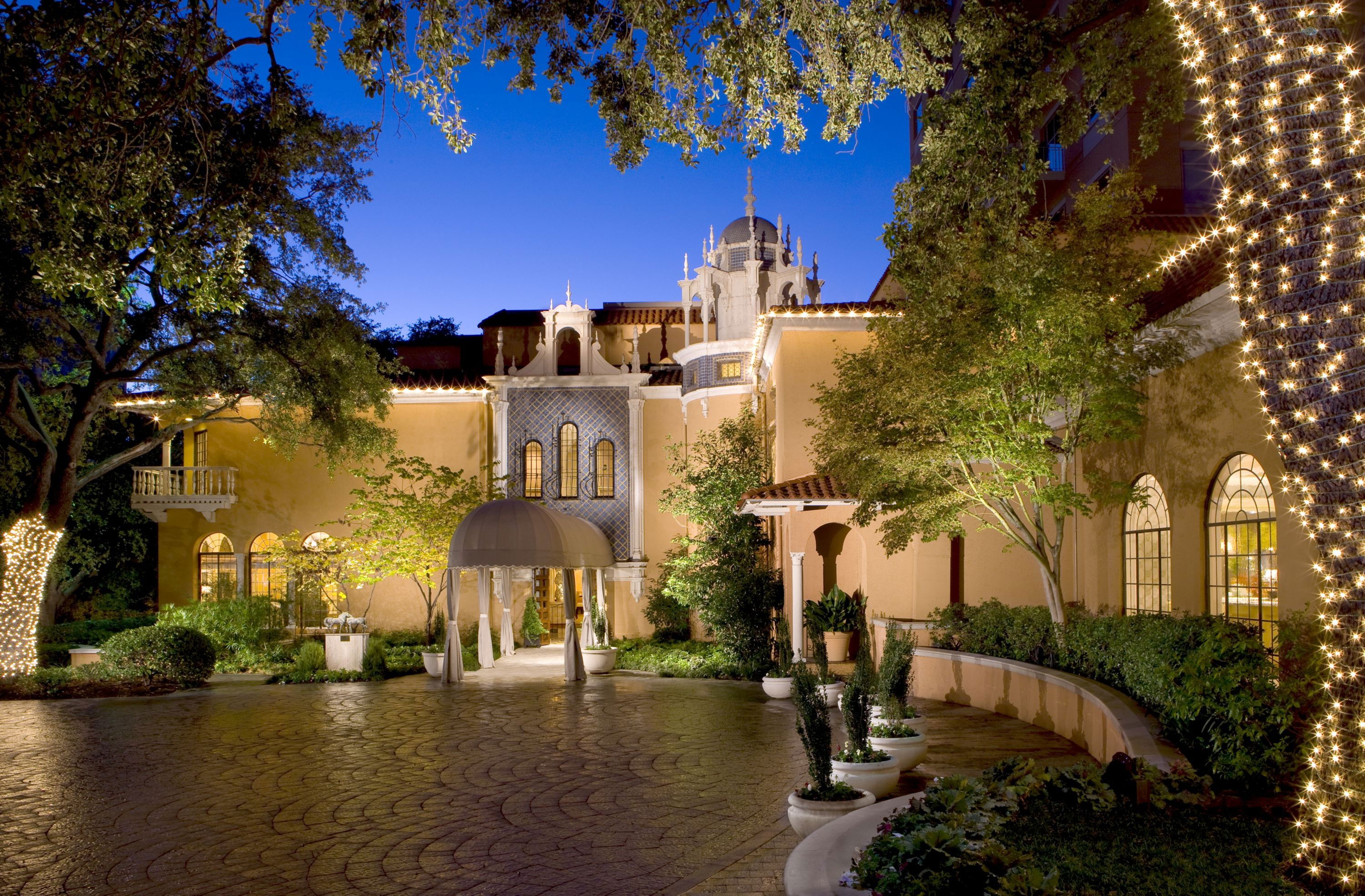
Built in 1925 as a cotton baron's private residence and now holding a Michelin Key and La Liste Top Hotels recognition, the Rosewood Mansion on Turtle Creek occupies a distinct position in Dallas luxury: a property that reads more as a distinguished private house than a conventional hotel. Across 143 rooms and a Forbes Travel Guide Four-Star restaurant, it delivers a version of Texan opulence rooted in European craft and Southern hospitality.
Where Dallas Luxury Began
The American luxury hotel has two recurring templates: the grand urban tower and the converted estate. The Rosewood Mansion on Turtle Creek belongs firmly to the second category, and it does so with a provenance that few properties in Texas can match. Built in 1925 for cotton baron Sheppard King, whose infatuation with Italian Renaissance architecture shaped every imported marble floor and stained-glass window, the property was later transformed into the founding address of what would become Rosewood Hotels and Resorts. That origin matters when placing it among Dallas's broader accommodation tier. Where properties like Hotel Swexan and Hotel Zaza Dallas draw energy from contemporary design sensibility, and where Fairmont Dallas occupies the large-footprint urban tower category, the Mansion operates as something more specific: a historic residential property with a deep institutional identity inside Dallas's social fabric.
Turtle Creek itself reinforces that position. The boulevard-lined neighborhood sits between Highland Park Village and the Dallas Arts District, placing the Mansion within walking reach of the city's cultural and retail core while maintaining the unhurried pace of a leafy residential address. It is a location that communicates intent before a guest crosses the threshold.
The Architecture as Argument
Arriving at the Mansion requires no suspension of disbelief. The property's exterior — its signature awnings, a 32-foot-high marble rotunda visible from the entry — signals a level of architectural commitment that few Texas hotels have attempted. King's original vision drew from Italian Renaissance precedent but filtered it through the extravagant means of early twentieth-century American wealth. The result is a building where excess is the design language: stained glass and fountains, imported marble on every floor, silver-leaf nineteenth-century Spanish cathedral doors in the bar, a terrace tiled with scenes from Don Quixote, German cherub carvings over mantelpieces, and a fireplace replicating the one at Bromley Castle in England. Whether this registers as opulent or ostentatious depends on the visitor's tolerance for maximalism, but it is architecturally coherent in its commitment. A recently redesigned entry rotunda integrates the Turtle Creek setting into the interior, bringing natural light and garden sightlines into the arrival sequence.
This aesthetic places the Mansion in a specific peer conversation at the global level. Properties like Hotel Bel-Air in Los Angeles and Troutbeck in Amenia operate in the same tradition of converted or estate-style luxury, where the architecture carries historical weight and the experience is shaped by a sense of private-house scale. The Mansion's 143 rooms span nine floors, which gives it more capacity than a typical boutique property, but the residential design logic runs through the room programming regardless of size.
The Rooms: Residential Logic at Scale
Room sizes begin at 450 square feet and extend to 2,650 square feet across five suite categories: Manor, Estate, Mansion, Turtle, and Rosewood. The interiors were refurbished with a palette of purples, greens, terra cotta, and blues set against cream and beige tones. Mahogany wood paneling, white-washed oak flooring, and mirror-paneled double doors carry the residential character into each accommodation. The furnishing approach , including details like lovseat-style seating that references the 1920s original , prioritizes continuity with the building's history rather than contemporary minimalism.
That approach is a deliberate positioning choice. Guests expecting the clean lines of a modern design hotel will find the Mansion's aesthetic too layered. The property works leading for travelers who read the interior density as authenticity rather than clutter. Service reinforces the residential model: the level of personalization extended to guests , attending to clothes left on the floor, managing wardrobe care, accommodating specific preferences , reflects training calibrated for guests who expect staff to anticipate rather than react.
Among the wider set of American luxury addresses, this kind of estate-scale service appears at properties including The Fifth Avenue Hotel in New York City, Four Seasons at The Surf Club in Surfside, and Raffles Boston in Boston. Within Rosewood's own portfolio, the comparison set includes Kona Village, A Rosewood Resort in Kailua Kona and Aman New York in New York City as reference points for how founding-address luxury properties carry group identity.
The Mansion Restaurant: American Dining with Institutional Weight
Contemporary American dining in major cities tends to split between tasting-menu format restaurants aimed at the Michelin conversation and more accessible brasserie-style venues with broader reach. The Mansion Restaurant occupies a distinct position: a Forbes Travel Guide Four-Star property offering both a seasonal tasting menu and à la carte service, which means it functions as a serious dining destination without requiring full commitment to a single-format experience. The restaurant's tortilla soup has accumulated enough local recognition to function as a signature dish, which is itself a signal , it points to a kitchen comfortable anchoring a menu in regional identity rather than purely internationalist technique.
For a cultural context, this matters. Southern and Texan cuisine spent decades in a peripheral position relative to the coastal American dining conversation. The Mansion's restaurant, operating within a building that has defined Dallas luxury since the 1920s, has been part of the slow shift in how Texas culinary identity is discussed critically. The kitchen's approach , described as contemporary American with local flavor and diverse sourcing , sits within that broader recalibration of what regional fine dining can mean in the South. Diners looking for a fuller picture of the Dallas restaurant scene can consult our full Dallas restaurants guide.
Among peer Dallas addresses, the restaurant's Four-Star designation and integration into a historically significant property give it a different weight than the dining programs at HALL Arts Hotel Dallas, Curio Collection by Hilton or JW Marriott Dallas Arts District. It is also worth noting that the Mansion earned a Michelin Key in 2024, and the property holds 90 points on the La Liste Leading Hotels 2026 ranking , two independent validation signals that place it at the recognized upper tier of Dallas accommodation.
Location and Getting Around
The Mansion's Turtle Creek address puts it minutes from Dallas Love Field airport, Southern Methodist University, the Uptown district, and downtown Dallas. The property offers complimentary sedan service within a five-mile radius, which covers most of the neighborhoods a guest is likely to need without requiring a rental car or ride-hailing coordination. Leafy Turtle Creek Boulevard leads directly to Highland Park Village and connects efficiently to the Dallas Arts District, making cultural and shopping excursions direct to manage from the property. For guests who want more context on the broader neighborhood character and how the Mansion fits into Dallas's hotel geography, properties like Hotel Crescent Court, Hilton Anatole, and Casa Duro represent different points on the Dallas accommodation spectrum.
Wellness offerings are limited to a health and fitness studio with massage treatments rather than a full spa program. Guests whose travel priorities center on spa depth may want to cross-reference properties like Canyon Ranch Tucson in Tucson or Amangiri in Canyon Point for comparison.
For international travelers placing the Mansion within a wider luxury reference set, the property sits in comparable territory to Badrutt's Palace Hotel in St. Moritz and Aman Venice in Venice in terms of historically rooted estate properties where architecture and provenance are the primary differentiators. Within the American estate-hotel conversation, Auberge du Soleil in Napa, Post Ranch Inn in Big Sur, Sage Lodge in Pray, SingleThread Farm Inn in Healdsburg, and Little Palm Island Resort and Spa in Little Torch Key each occupy a niche defined by setting and architectural character rather than amenity breadth.
Practical Planning Notes
Reservations at The Mansion Restaurant are advisable well in advance given the property's standing in the local dining calendar. The hotel's 143 rooms across nine floors mean availability is more flexible than at smaller boutique properties, but peak Dallas calendar periods , including major arts events and SMU occasions , tighten room supply. The complimentary five-mile sedan service removes the friction of short-range urban transport and is worth factoring into any neighborhood planning.
Frequently Asked Questions
Is Rosewood Mansion on Turtle Creek more formal or casual?
The Mansion sits toward the formal end of the Dallas hotel spectrum, though not rigidly so. The architecture, service model, and Forbes Travel Guide Four-Star restaurant signal a property oriented toward guests who want attentive, structured hospitality rather than a relaxed lifestyle atmosphere. That said, the residential design logic softens what might otherwise read as institutional formality. If you want contemporary ease and minimal ceremony, the aesthetic and service style here will feel more traditional than you may prefer. If you are traveling for a significant occasion, a business stay requiring full-service support, or simply want a property with genuine historic character, the Mansion's format aligns well. The complimentary sedan service and the à la carte option at the restaurant also mean the experience is not exclusively locked into high-ceremony mode.
What room should I choose at Rosewood Mansion on Turtle Creek?
The five suite categories , Manor, Estate, Mansion, Turtle, and Rosewood , step up in size from the 450-square-foot entry rooms to 2,650 square feet at the upper end. For guests primarily interested in the architectural experience, a well-appointed standard room delivers the mahogany paneling, white-washed oak floors, and residential furnishing approach without requiring a suite. The suite tier makes most sense for extended stays, group travel, or occasions where the room itself is part of the event. The Michelin Key recognition and La Liste 90-point ranking apply to the property as a whole, so the quality differential between room categories is primarily spatial rather than experiential.
Recognized By


Related editorial
- Best Fine Dining Restaurants in ParisFrom three-Michelin-star icons to the next generation of Parisian chefs pushing boundaries, these are the restaurants that define fine dining in the world's culinary capital.
- Best Luxury Hotels in RomeFrom rooftop terraces overlooking ancient ruins to Michelin-starred hotel dining, these are the luxury hotels that make Rome unforgettable.
- Best Cocktail Bars in KyotoFrom sleek lounges to hidden speakeasies, Kyoto's cocktail scene blends Japanese precision with global influence in ways you won't find anywhere else.
Save or rate Rosewood Mansion on Turtle Creek on Pearl
Keep this venue in your Pearl passport, rate it after you visit, and track it alongside every other place you collect.