
Hotel in Oban, United Kingdom
Isle of Eriska Hotel and Spa
525ptsScottish Island Seclusion


About Isle of Eriska Hotel and Spa
On a private island off Scotland's Argyll coast, Isle of Eriska Hotel and Spa occupies a Victorian country house that has operated as a hotel since 1884. The combination of island seclusion, a full spa, and dining built around locally sourced Scottish produce places it in a narrow tier of British rural retreats where the setting is as deliberate as the hospitality.
An Island Arrival That Sets the Terms
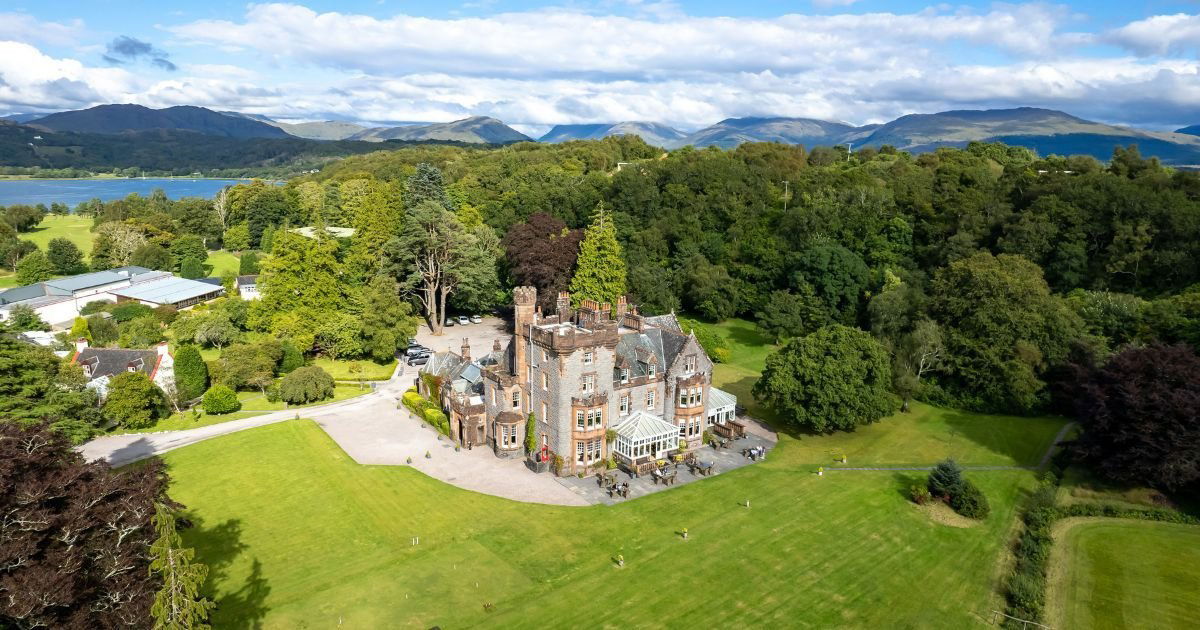
The approach to Isle of Eriska does most of the work before a guest even reaches the front door. A short causeway connects the property to the Argyll mainland near Benderloch, roughly 12 miles north of Oban, and crossing it shifts the register from touring the Scottish Highlands to something more contained and deliberate. The island runs to around 300 acres, and the hotel sits within a stand of mature trees that softens the Victorian baronial silhouette without hiding it. What greets you is a late-nineteenth-century country house built in the Scottish Baronial style: crow-stepped gables, a confident stone facade, turrets that serve more as architectural grammar than defensive necessity. The building dates to 1884 and has operated as a hotel since that era, which gives it a physical confidence that newer rural retreats cannot replicate. It belongs to a tradition of country house hotels in the British Isles where the architecture itself is the first and most durable argument for staying.
Within the broader conversation about British island and peninsula retreats, Isle of Eriska occupies specific territory. Properties like Hell Bay Hotel in Bryher and Langass Lodge in the Western Isles share the logic of genuine geographic separation from the mainland, where access itself becomes part of the offer. But Isle of Eriska's Victorian country house scale and long operational history place it closer in character to Gleneagles in Perthshire than to the smaller, more rustic island lodges of the Hebrides. The comparison matters: this is not a boutique escape built around minimalism. It is a grand house that has absorbed more than a century of hospitality practice and wears that history in its proportions and its materials.
The Architecture as Orientation
Scottish Baronial architecture, the style that defines the exterior of Isle of Eriska, reached its peak influence in the second half of the nineteenth century. It drew on medieval Scottish tower houses and incorporated Victorian Gothic detail to produce buildings that read as romantic, historic, and authoritative all at once. The style was associated with wealth, land, and a specific idea of Scottish identity that the Victorian aristocracy and upper gentry were eager to claim. When Isle of Eriska was built in 1884, it was entering a well-established tradition, not pioneering one. That matters for how the building functions today: its visual language is legible and stable. There is no ambiguity about what kind of place this is.
Inside, the design sits in the territory that long-established British country house hotels tend to occupy: traditional materials, period detailing, and accommodation formats that range from rooms within the original house to more recently added contemporary lodges set across the island grounds. This layering of old and new is common across the category. Lime Wood in the New Forest handles a similar duality by blending a Georgian house core with crisp modern additions. Estelle Manor in Oxfordshire takes a different approach, modernising interiors while preserving the envelope. Isle of Eriska's Victorian shell sets a more defined aesthetic constraint, and the contemporary lodge additions represent a pragmatic expansion of capacity rather than a design reinvention.
Setting, Grounds, and What the Island Offers
The 300-acre island provides a self-contained outdoor programme that extends well beyond the formal hotel grounds. Walking routes through the island's woodland and along its shoreline are accessible directly from the property, a practical advantage over mainland rural hotels where access to comparable terrain typically requires a car journey. The island's wildlife, including birdlife and red deer, adds a naturalist dimension that several comparable Scottish properties work hard to replicate on less isolated land. For guests arriving from our full Oban restaurants guide, the contrast between Oban's working harbour town character and the quiet of the island is immediate and significant.
Water-based activity is available along the island's shoreline, and the hotel's indoor sports facilities span tennis, badminton, squash, football, basketball, croquet, and putting. This range of indoor options matters in the Scottish west coast context, where weather is not reliably cooperative. Properties like Monachyle Mhor in the Stirling area occupy a comparable position as rural Scottish retreats with outdoor activity at their core, but Isle of Eriska's combination of indoor and outdoor programming gives it a year-round operational depth that purely outdoor-focused properties cannot match.
Dining and the Local Sourcing Argument
Dining at Isle of Eriska is built around locally sourced Scottish produce, a positioning that aligns with the broader movement among serious British country house hotels to anchor their food programmes to regional supply chains. This is not a recent marketing adjustment in this category; it reflects a long-standing logic that the quality of Scottish larder ingredients, from West Coast shellfish to upland game, is significant enough to carry a fine dining programme without recourse to imported produce. The island's own grounds contribute to this supply where possible. The dining format, which spans formal fine dining to more casual options, follows the pattern of properties in this tier that want to serve both long-stay guests seeking variety and short-stay guests expecting a single high-quality dinner.
For comparison within the British country house category, The Newt in Somerset takes local sourcing to an estate-production model, while Babington House operates more as a members' club with dining as one element of a broader social programme. Isle of Eriska's model is closer to the traditional country house hotel dinner, where the restaurant is a destination in its own right for non-resident guests as well as those staying on property.
The Spa and Wellness Offer
The spa at Isle of Eriska draws on locally sourced ingredients as a point of differentiation within its treatment menu, a positioning that mirrors the dining programme's emphasis on regional provenance. An indoor pool and hot tub extend the thermal offer beyond treatment rooms, which is standard for a property at this tier. Within Scotland, the wellness offer at Isle of Eriska competes with a small number of comparable island and Highland properties. Dun Aluinn in Aberfeldy and Glen Mhor Hotel in Highland serve different markets and price points, but they illustrate the range of wellness-adjacent accommodation available across Scotland for travellers building a multi-stop itinerary.
Planning a Stay
Isle of Eriska sits at A828 Benderloch, approximately 12 miles north of Oban, making Oban the logical staging point for arrival by rail or ferry before transferring north by car. The causeway access means private transport is effectively necessary; there is no practical public route to the island itself. For travellers combining Isle of Eriska with broader Scottish itineraries, the property sits within reasonable driving distance of Inveraray, the Kintyre peninsula, and the Oban ferry links to Mull and the inner Hebrides. Guests choosing between the Victorian main house rooms and the contemporary lodges should expect meaningfully different aesthetic registers: the former is period and formal, the latter newer and quieter in design tone. The island's scale means that even at capacity the property does not feel dense, which is a structural advantage over comparably priced but more compact country house hotels elsewhere in Britain, including Burts Hotel in Melrose or Ardbeg House on Islay.
Frequently Asked Questions
- What should I expect atmosphere-wise at Isle of Eriska Hotel and Spa?
- The atmosphere is defined by genuine island seclusion rather than manufactured rural theatre. The Victorian baronial house sets a formal, unhurried tone, and the causeway arrival reinforces the sense of transition from the mainland. It is quieter and more self-contained than most comparable Scottish properties, which suits guests seeking deliberate detachment from both urban life and busy tourist circuits. The combination of formal architecture, open grounds, and a full activity programme gives it range across different guest temperaments, from those who want structured days to those who want nothing more than to walk the shoreline and eat well.
- What room should I choose at Isle of Eriska Hotel and Spa?
- The choice between the main Victorian house rooms and the contemporary lodges is primarily an aesthetic one. The house rooms sit within the original 1884 building and carry its period character: higher ceilings, traditional detailing, a sense of the building's history in the walls themselves. The lodges offer a more neutral, modern register with direct access to the island grounds. Guests who prioritise the architectural experience of staying in a nineteenth-century Scottish country house should choose the main house. Those who prefer a quieter, more private base from which to use the hotel's shared facilities may find the lodges a better fit. Neither is a compromise; they are different experiences of the same property.
Recognized By


Related editorial
- Best Fine Dining Restaurants in ParisFrom three-Michelin-star icons to the next generation of Parisian chefs pushing boundaries, these are the restaurants that define fine dining in the world's culinary capital.
- Best Luxury Hotels in RomeFrom rooftop terraces overlooking ancient ruins to Michelin-starred hotel dining, these are the luxury hotels that make Rome unforgettable.
- Best Cocktail Bars in KyotoFrom sleek lounges to hidden speakeasies, Kyoto's cocktail scene blends Japanese precision with global influence in ways you won't find anywhere else.
Save or rate Isle of Eriska Hotel and Spa on Pearl
Keep this venue in your Pearl passport, rate it after you visit, and track it alongside every other place you collect.