
Hotel in Lisbon, Portugal
InterContinental Cascais-Estoril
450ptsAtlantic-Facing Glass Architecture


About InterContinental Cascais-Estoril
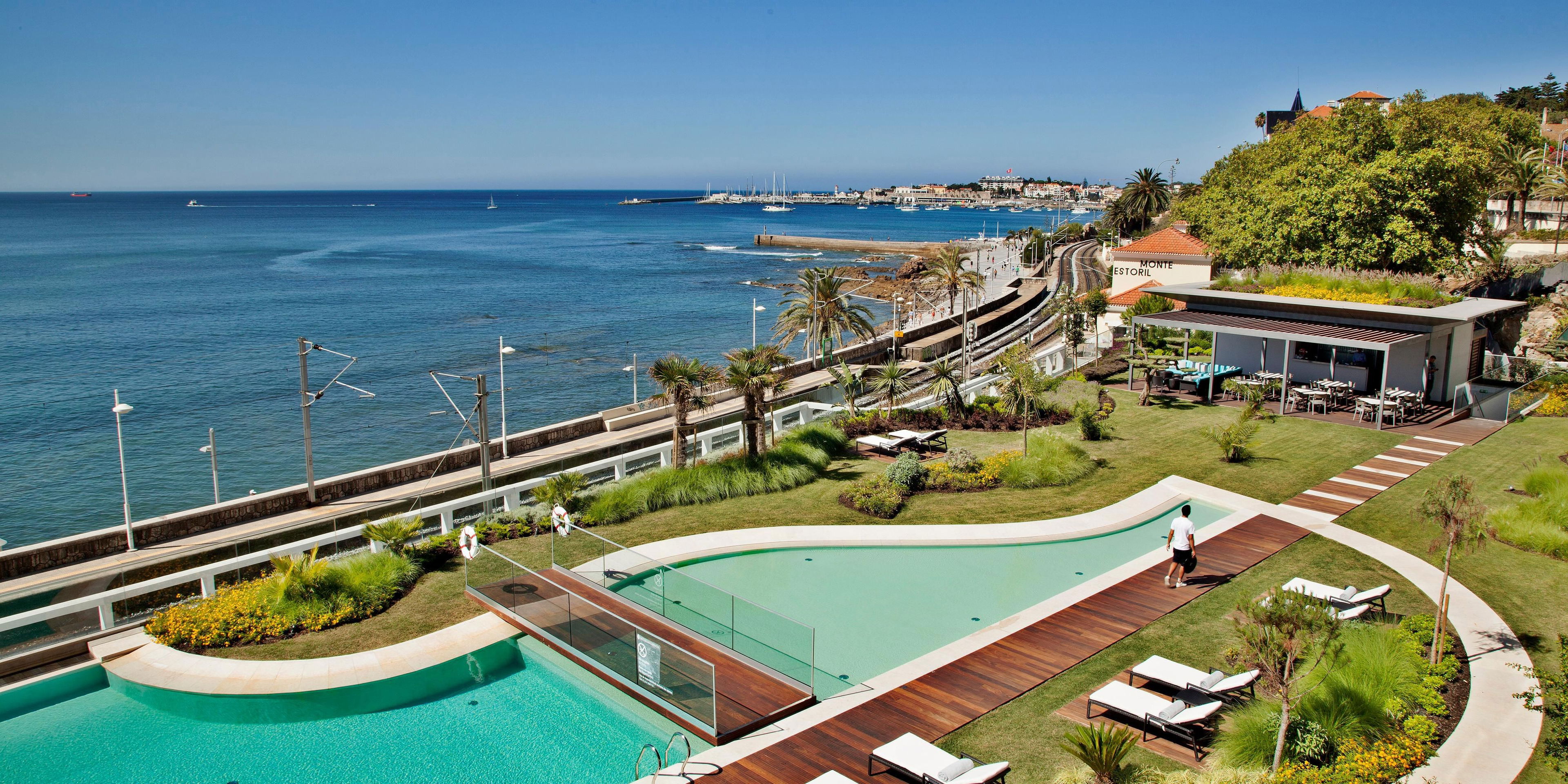
Set on the Estoril waterfront thirty minutes west of Lisbon, InterContinental Cascais-Estoril occupies the site of the historic Atlântico Hotel with 59 rooms, all carrying balcony or terrace views across Cascais Bay or the garden courtyard. Designed by Portuguese architect João Paciência, the glass-heavy facade ensures the Atlantic stays in frame at nearly every turn, from the lobby to the signature restaurant Bago du Vin.
The Portuguese Riviera's Coastal Hotels: Where InterContinental Cascais-Estoril Sits
The stretch of coastline running west from Lisbon through Estoril and into Cascais has functioned as a resort corridor for well over a century. In the mid-twentieth century, its grand hotels attracted exiled European royalty and wartime diplomats; today, the same Marginal avenue hosts a narrower set of luxury properties operating against a backdrop of Formula E races at the Estoril circuit, the Cascais marina, and a reliable Atlantic breeze that keeps the summer heat in check. Within that coastal tier, InterContinental Cascais-Estoril sits on the site of the former Atlântico Hotel, a property that anchored the area's hospitality identity for decades. The choice to build on that site, rather than erase it, signals something about how the property positions itself: as a contemporary address that carries the location's history rather than treating it as inconvenient context.
At 59 rooms, the hotel operates at a scale that sits noticeably below the large international resort format. That count is deliberate. Guests report that staff learn names quickly, and the service rhythm feels closer to a boutique address than to a flagship chain property, despite the InterContinental Hotels Group affiliation. For a comparison within the Lisbon market, properties like the Bairro Alto Hotel or the Altis Avenida Hotel occupy a similar premium tier in the city centre, but neither delivers the same relationship with open water. The Cascais-Estoril property's competitive edge is geographic before it is architectural.
What Happens Inside the Room
The editorial angle on room design at many contemporary Portuguese hotels has settled around one principle: the view is the object, and the interior exists to frame it. João Paciência's approach at InterContinental Cascais-Estoril applies that logic consistently. All 59 rooms carry either a balcony or a terrace, and the palette of grey, blue, and brown tones with soft fabrics and floor-to-ceiling glass doors reads as a deliberate exercise in optical continuity: the colours inside echo what is visible outside, so the room never visually competes with the bay.
The practical execution backs this up. Billowing drapes frame the glass doors rather than block them, and the balconies are sized to be used rather than merely photographed. What distinguishes the bathroom specification from comparable coastal hotels is the chromotherapy shower system, which allows guests to adjust coloured lighting. It is a specific amenity rather than a generic wellness gesture, and it sits within an overall bathroom configuration described by inspectors as approaching a personal spa in feel.
Room categories split between garden courtyard and Cascais Bay orientations, and the distinction matters more at this property than at inland hotels, where room type can feel like a minor variable. At a waterfront address on an exposed Atlantic coast, the difference between a garden view and a direct bay view is the difference between a comfortable room and one that shapes how you experience waking up. Guests choosing the property specifically for the coastal setting should request bay-facing rooms at the point of booking, not after arrival.
For travellers accustomed to heritage boutique properties in central Lisbon, such as the 1908 Lisboa Hotel or A Casa das Janelas Com Vista, the Cascais-Estoril room format feels more contemporary and less architecturally dense, trading tile floors and period detailing for clean horizontal sightlines and the Atlantic in constant view.
On the Water: Pool, Bar, and the Bago du Vin Question
The outdoor pool is positioned to make the most of the oceanfront site, with views across the bay rather than inward to the building. A poolside bar operates through to sunset, serving wine, sangria, and lighter food, which is a practical consideration for guests who want to extend a beach afternoon without re-entering the hotel. The indoor pool, housed within the SPA InterContinental by L'Occitane, forms part of a hydrotherapy circuit that includes a relaxation area designed around low light. L'Occitane's involvement covers both the treatments and the products used, which gives the spa a defined product identity rather than a generic wellness offering.
The signature restaurant, Bago du Vin Gourmet Bar and Terrace, operates as an address that draws both hotel guests and local residents. An extended wine list paired with Portuguese fare served on an oceanfront terrace is a format with obvious appeal, and the inspector assessment confirms that it functions as a reservation in its own right rather than a default dining option. On the Portuguese Riviera, where casual seafood and wine is available at nearly every corner, a restaurant that manages to hold its own as a destination requires a degree of execution discipline that goes beyond the view. The terrace setting assists, but the wine program and kitchen appear to be carrying their share.
Getting There and the Estoril Context
Hotel sits on Avenida Marginal in Estoril, which places it on one of the most direct coastal roads in the Lisbon region. Lisbon's Humberto Delgado Airport is accessible in under forty minutes by car, depending on traffic through the city. The Estoril train station on the Cascais line is a short walk from the hotel, which makes the property accessible without a car: the Cascais line runs frequently from Cais do Sodré in central Lisbon, covers the journey in roughly thirty-five minutes, and stops directly in Estoril. For guests planning to explore the wider area, Cascais town centre and marina are a few minutes further along the same line.
Estoril Casino, one of the largest in Europe and a reference point for the town's post-war identity, is a short walk from the property. The surrounding area retains a slightly quieter character than Cascais itself, which has become more internationally visited over the past decade. That quieter register suits guests who want proximity to Cascais's restaurants and Atlantic beaches without staying in the middle of the town's peak-season congestion.
Portugal's Atlantic coast offers a range of coastal properties for comparison. Villa Epicurea in Sesimbra and Bela Vista Hotel and Spa in Praia da Rocha both operate on the southern Atlantic coast with a more intimate character and fewer rooms. Further inland, properties like Ventozelo Hotel and Quinta in Ervedosa do Douro or Douro Valley Casa Vale do Douro in Cambres represent a different register entirely, oriented around landscape and wine rather than coast. Other Lisbon-area options with different formats include the AlmaLusa Baixa/Chiado, Altis Belém Hotel and Spa, Art Legacy Hotel Baixa-Chiado, and As Janelas Verdes/Riverview, a Lisbon Heritage Collection. For the full picture of where to eat and stay across the capital, see our full Lisbon restaurants guide.
For those exploring further across Portugal, the Algarve offers options including Anantara Vilamoura Algarve Resort in Quarteira and Masana Algarve in Albufeira. The Alentejo coast is anchored by Craveiral Farmhouse in Sao Teotonio, while the Azores and northern Portugal add properties like Boutique Hotel Teatro in Angra do Heroísmo, M Maison Particulière Porto, Hospedaria da Pensão Agrícola in Conceição e Cabanas de Tavira, Q.ta da Corte in Valença do Douro, 3HB Faro, and Bussaco Palace Hotel in Luso. Internationally, guests comparing flagship IHG properties or waterfront luxury hotels at a similar tier might also consider The Fifth Avenue Hotel in New York City, Aman New York, or Aman Venice for context on how the luxury waterfront format operates across different markets.
Frequently Asked Questions
- What is the most popular room type at InterContinental Cascais-Estoril?
- Rooms with direct Cascais Bay views, accessed via spacious balconies or terraces, are consistently the more sought-after option. The 59-room property divides its inventory between bay-facing and garden courtyard-facing configurations. Given that the Atlantic view is the primary draw, bay-facing rooms with floor-to-ceiling glass doors account for higher demand, particularly during the summer season. Securing those rooms requires booking in advance, especially between June and September when the Cascais coastline draws significant visitor numbers.
- What is InterContinental Cascais-Estoril leading at?
- The property's clearest strength is the consistency of its coastal positioning across the guest experience: rooms with balconies over the Atlantic, a pool oriented toward the bay, a restaurant with an oceanfront terrace, and a spa with an indoor hydrotherapy circuit. The 59-room scale allows a service register that inspectors have noted feels closer to a boutique property than to a standard international chain hotel. The Google rating of 4.8 across 1,162 reviews indicates that this consistency holds across a meaningful guest sample, not just inspector visits. Bago du Vin, the signature restaurant, operates as a standalone reservation for local residents as well as guests, which is a reliable marker of restaurant credibility at resort hotels where captive audiences can flatten kitchen standards.
Recognized By

More hotels in Lisbon
- A Casa das Janelas Com VistaA Casa das Janelas Com Vista occupies a well-positioned address in Lisbon's Cais do Sodré district, within walking distance of the Tagus waterfront and the city's most active dining and bar strip. It suits couples and special-occasion travellers who want to be in the middle of the action. Verify current rates directly before booking, as pricing data is not confirmed in our database.
- AlmaLusa Baixa/ChiadoAlmaLusa Baixa/Chiado occupies one of Lisbon's best-positioned addresses on Praça do Município, within walking distance of the waterfront and Chiado. Booking is straightforward outside peak summer. Visit in spring or early autumn for the best combination of weather, atmosphere, and availability across the neighbourhood's restaurants and bars.
- As Janelas Verdes/Riverview, a Lisbon Heritage CollectionAs Janelas Verdes is a heritage townhouse hotel on a quiet Lisbon riverside street, suited to couples seeking atmosphere over amenities. Booking is easy and the location beside the National Ancient Art Museum is appealing, but families needing pools or interconnecting rooms should look elsewhere. Check current rates and compare against Bairro Alto Hotel or AlmaLusa before committing.
- Baixa HouseBaixa House sits in the middle of Lisbon's Pombaline downtown, putting the Tagus waterfront, Alfama, and Chiado all within walking distance. For a special occasion stay where city access matters, the address does real work. Booking is straightforward and availability is generally good — a practical, well-located pick in a city where position drives value.
Related editorial
- Best Fine Dining Restaurants in ParisFrom three-Michelin-star icons to the next generation of Parisian chefs pushing boundaries, these are the restaurants that define fine dining in the world's culinary capital.
- Best Luxury Hotels in RomeFrom rooftop terraces overlooking ancient ruins to Michelin-starred hotel dining, these are the luxury hotels that make Rome unforgettable.
- Best Cocktail Bars in KyotoFrom sleek lounges to hidden speakeasies, Kyoto's cocktail scene blends Japanese precision with global influence in ways you won't find anywhere else.
Save or rate InterContinental Cascais-Estoril on Pearl
Keep this venue in your Pearl passport, rate it after you visit, and track it alongside every other place you collect.