
Hotel in Hamburg, Germany
Gastwerk Hotel Hamburg
150pts19th-Century Gasworks Conversion

About Gastwerk Hotel Hamburg
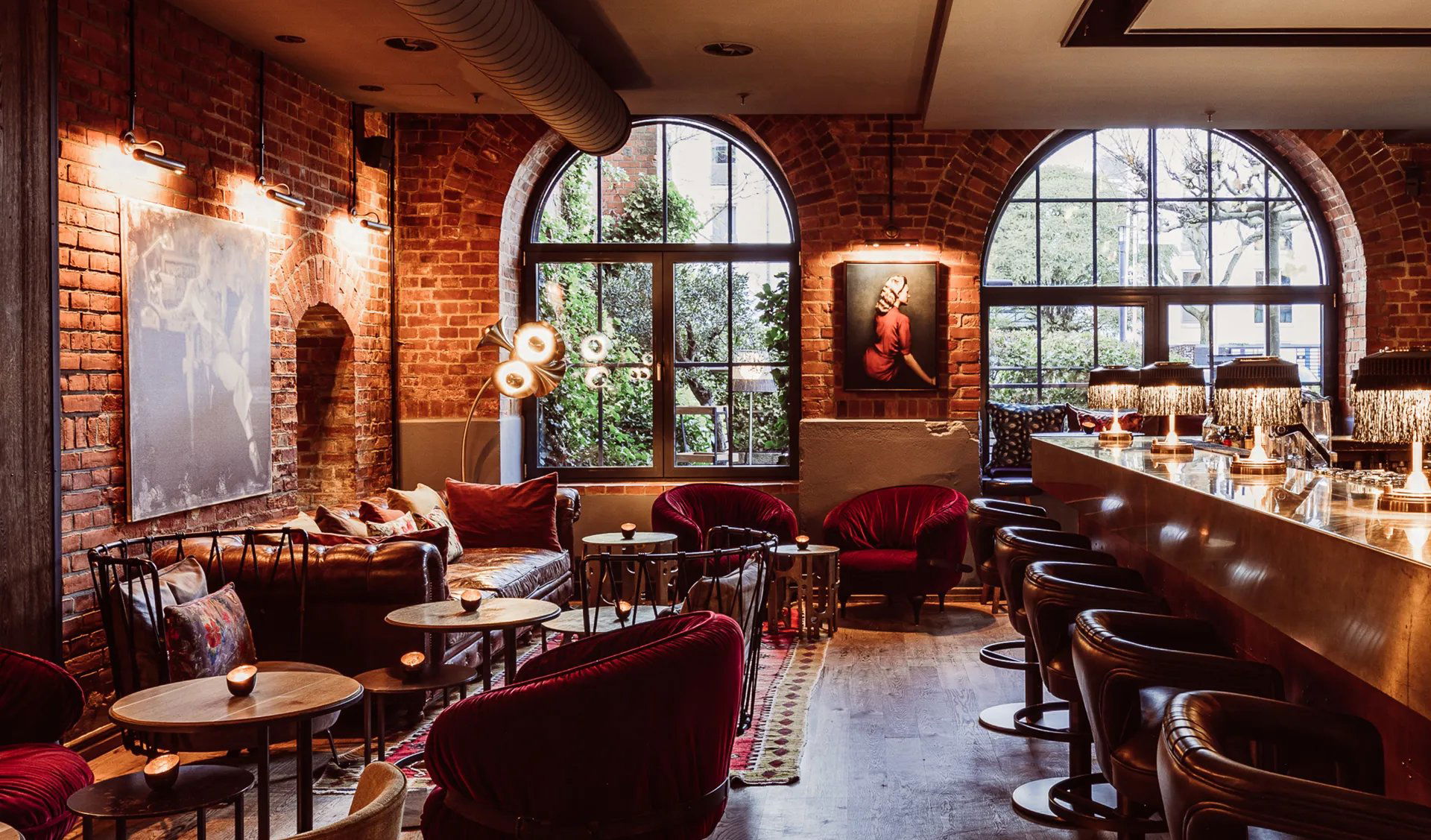
A converted 19th-century gas works in Hamburg's Bahrenfeld district, Gastwerk Hotel occupies a former industrial power station where exposed brick, raw materials, and soaring ceilings define the atmosphere. The building's heritage architecture places it in a category apart from the city's conventional hotel stock, offering a physically distinct alternative to Hamburg's waterfront and city-centre options.
When the Building Is the Argument
Hamburg has a long tradition of adaptive reuse. The HafenCity redevelopment, the Elbphilharmonie rising from a former warehouse, the conversion of 19th-century mercantile buildings into contemporary use — the city has consistently treated its industrial past as architectural capital rather than liability. Gastwerk Hotel Hamburg sits squarely within that tradition. Located at Beim Alten Gaswerk 3 in the Bahrenfeld district, it occupies the shell of a 19th-century gas works: a former power station whose high brick vaults, exposed structural iron, and raw material finishes have been retained as the dominant design language. The building is not a backdrop; it is the hotel's primary credential.
Arriving at the property, the scale of the original industrial structure becomes immediately apparent. Brick walls that predate the First World War frame the entrance. Interior volumes are lofty in the literal sense — ceiling heights that would be impossible to replicate in new construction and that give the common areas a quality of space that Hamburg's more conventionally formatted luxury hotels, whether the grand Wilhelmine rooms of the Fairmont Hotel Vier Jahreszeiten or the modernist lines of The Fontenay overlooking the Alster, simply do not offer.
Industrial Heritage as a Design Category
Across European cities, the conversion of industrial infrastructure into hospitality has become a recognisable category, one that tends to attract a specific type of traveller: someone for whom architectural character carries more weight than polished neutrality. In Hamburg, that category is relatively thin. The city's premium hotel supply skews toward either traditional luxury formats, such as Hotel Louis C. Jacob on the Elbe bank, or design-forward contemporary builds. Gastwerk occupies a different position: a property where the heritage fabric of the 19th-century structure is itself the design, rather than a property that applies a design onto a neutral shell.
The original gas works dates to an era when Hamburg was rapidly industrialising, expanding its port infrastructure and municipal utilities to serve a city that had become one of Europe's principal trading hubs. The brick construction, industrial proportions, and surviving raw materials are not stylised references to that period; they are the period. That specificity is what separates this kind of conversion from hotels that use exposed brick as decorative shorthand. Here, the brick is structural, load-bearing, and original , which changes both the atmosphere and the implicit argument the building makes about what a hotel stay can offer.
For comparison, east Hamburg occupies another converted industrial site in the city, a former copper smelting works in St. Georg, which places both properties in the same adaptive-reuse category even as they differ considerably in neighbourhood context and finish approach. The broader Hamburg hotel market, including newer entries such as Apotheke an der Elbphilharmonie and Conrad Hamburg, operates in a different register entirely, one defined by contemporary construction and proximity to the HafenCity or central business district.
Location and Neighbourhood Logic
Bahrenfeld sits west of Hamburg's centre, removed from the tourist density of the Speicherstadt or the Alster lakeside. That distance is worth understanding before booking. The neighbourhood is quieter and more residential in character than the central hotel corridors, which suits a specific kind of stay: one prioritising the property itself over walkable proximity to the main cultural circuit. Public transport connects Bahrenfeld to the city centre, and the district is increasingly active given its proximity to the Ottensen and Altona neighbourhoods, which have developed a substantial food and bar scene over the past decade. Travellers whose programme centres on the Elbphilharmonie, the HafenCity, or the central Alster area should factor in transit time.
For those interested in Hamburg's wider hotel geography, our full Hamburg restaurants and hotels guide maps the city's options by neighbourhood and category, and covers properties from the Grand Elysée Hamburg to the smaller boutique formats in the eastern districts such as Garner Hamburg East.
Placing Gastwerk in the German Conversion-Hotel Context
Adaptive reuse hotels with genuine 19th-century industrial fabric appear across Germany, though the category remains a minority within the country's premium supply. Hotel de Rome in Berlin converts a former bank , a different institutional typology but a comparable commitment to heritage fabric. Excelsior Hotel Ernst in Cologne draws on a 19th-century lineage, though in a more classical residential idiom. Properties such as Schloss Elmau Luxury Spa Retreat & Cultural Hideaway in Elmau, Hotel Bareiss in Baiersbronn, and Althoff Seehotel Überfahrt in Rottach-Egern belong to an entirely different category , spa-led retreat formats in alpine or rural settings. The contrast is useful: Gastwerk's appeal is urban, architectural, and specifically rooted in the industrial history of a major port city, not in landscape or wellness programming. Other German options in the EP Club portfolio, including Breidenbacher Hof Düsseldorf, Bülow Palais in Dresden, BUDERSAND Hotel in Hörnum, Das Kranzbach Hotel & Wellness Retreat in Kranzbach, Der Öschberghof in Donaueschingen, Esplanade Saarbrücken, Gut Steinbach Hotel Chalets Spa in Reit im Winkl, and Hotel Ketschauer Hof in Deidesheim, each belong to still different categories defined by their own building typologies and regional settings. Globally, travellers who respond to the Gastwerk proposition often also consider heritage-conversion properties such as Aman Venice, which converts a Venetian palazzo, or urban design properties like The Fifth Avenue Hotel in New York City and Aman New York, though those operate in considerably different price tiers and city contexts.
Planning a Stay
The Gastwerk's address at Beim Alten Gaswerk 3 places it accessible from Hamburg's S-Bahn network, with Bahrenfeld station providing a direct connection to the main central stations. Visitors travelling for events at the Elbphilharmonie or the Hamburg State Opera should plan for transit rather than assuming walkability. Given the property's position as one of the few hotels in Hamburg's premium segment built around genuine 19th-century industrial heritage, occupancy at the Gastwerk tends to be driven by travellers specifically seeking that architectural character, meaning the hotel can fill quickly during Hamburg's trade fair calendar, notably around events at the Hamburg Messe, which sits nearby in the same western district. Booking ahead of those periods is advisable.
Frequently Asked Questions
- What room category do guests prefer at Gastwerk Hotel Hamburg?
- The property's most-discussed accommodation is in rooms and suites that make direct use of the original building fabric, where brick walls and industrial-scale ceiling heights are part of the room itself rather than confined to common areas. The hotel's heritage comes through most clearly in the loft-style units where the raw material and structural character of the 19th-century gas works is immediately present. Travellers specifically seeking the atmospheric contrast of industrial architecture with contemporary comfort should prioritise these categories over any standard room configurations that may sit in more neutral areas of the building.
- What makes Gastwerk Hotel Hamburg worth visiting?
- The case for staying here rests almost entirely on the building: a 19th-century gas works whose brick fabric, original industrial proportions, and raw material finishes have been converted into hotel use without being smoothed into generic luxury. Hamburg has a range of premium hotels, from the grand Alster-facing formats to the contemporary HafenCity properties, but the Gastwerk's architectural type sits apart from all of them. If the physical character of a building matters to how you experience a stay, this is the Hamburg property where that argument is made most directly.
- Should I book Gastwerk Hotel Hamburg in advance?
- If your travel dates overlap with Hamburg's trade fair calendar or major cultural events at the Elbphilharmonie, advance booking is advisable. The hotel's specific architectural proposition means it draws a consistent demand from travellers who have chosen it deliberately rather than by proximity to the city centre, so rooms at the Gastwerk are not typically last-minute inventory. Exact availability, pricing, and booking should be confirmed directly with the property, as neither phone nor web booking details are published in our current record.
- What kind of traveller is Gastwerk Hotel Hamburg a good fit for?
- The Gastwerk is leading suited to travellers for whom building character is a primary booking criterion rather than an incidental feature. It will appeal to those with an interest in industrial heritage, adaptive reuse architecture, or the broader history of Hamburg as a 19th-century port and trading city. It is less suited to travellers whose itinerary is centred on the Alster, HafenCity, or Speicherstadt, given the Bahrenfeld location, or to those for whom polished luxury uniformity matters more than the atmospheric particularities of a specific historical structure.
- Is Gastwerk Hotel Hamburg connected to Hamburg's broader industrial heritage, and does that context add anything to the stay?
- The gas works that became the hotel was part of Hamburg's 19th-century municipal infrastructure expansion, a period when the city was consolidating its position as one of northern Europe's principal commercial ports. Staying at the Gastwerk places a visitor inside that history in a physical rather than curatorial sense: the brick, the structural iron, and the scale of the original building are the hotel rather than a museum exhibit about it. That context is most legible to travellers who arrive knowing something of Hamburg's industrial development, but the architecture speaks without annotation. For a broader view of how the hotel fits into Hamburg's accommodation options, see our full Hamburg guide.
Recognized By

Related editorial
- Best Fine Dining Restaurants in ParisFrom three-Michelin-star icons to the next generation of Parisian chefs pushing boundaries, these are the restaurants that define fine dining in the world's culinary capital.
- Best Luxury Hotels in RomeFrom rooftop terraces overlooking ancient ruins to Michelin-starred hotel dining, these are the luxury hotels that make Rome unforgettable.
- Best Cocktail Bars in KyotoFrom sleek lounges to hidden speakeasies, Kyoto's cocktail scene blends Japanese precision with global influence in ways you won't find anywhere else.
Save or rate Gastwerk Hotel Hamburg on Pearl
Keep this venue in your Pearl passport, rate it after you visit, and track it alongside every other place you collect.