
Bar in Lima, Peru
Sastrería Martinez
455ptsTailor-Door Speakeasy


About Sastrería Martinez
Behind a working tailor shop on a Miraflores side street, Sastrería Martinez delivers Lima's most theatrically committed speakeasy entrance before revealing a full-service cocktail bar stocked with ingredients from Peru's highlands and Amazon basin. Ranked 460th on the 2025 Top 500 Bars list, it represents the city's growing confidence in bartending as a serious craft, with a drinks program that pulls from biomes most bars never consider.
The Entrance Is the First Drink
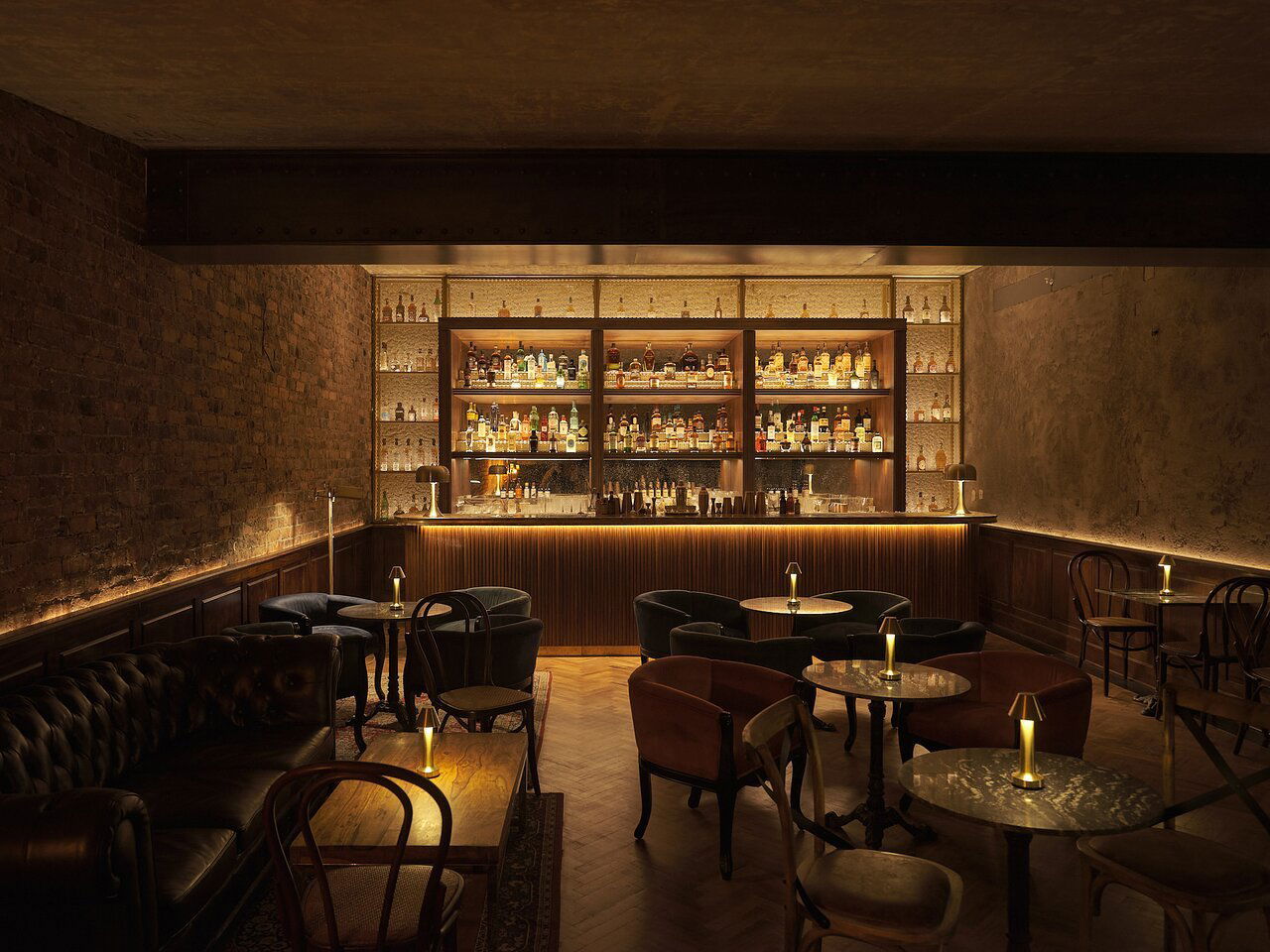
Lima's cocktail bars have developed a habit of making you work slightly before rewarding you, and Sastrería Martinez takes that instinct further than any of its peers. On Avenida Mariscal La Mar in Miraflores, there is a tailor shop. It looks like a tailor shop because it is a tailor shop, staffed by someone with a tape measure and a working sewing machine. The ritual begins here: you present yourself, the tailor assesses you with appropriate gravity, and if you pass muster (you will), a door opens into something else entirely. Few scene changes in the drinks world are this committed or this complete. What follows is a full cocktail bar with booths and standing tables, a glowing back bar as its centrepiece, and a live band working through Latin American classics in the background. The entrance is not a gimmick layered onto an otherwise conventional bar; it sets the pacing for everything that comes after.
The speakeasy format, which had a long run in cities like New York and London as theatrical novelty before the crowds diluted the effect, still carries genuine weight in Lima partly because Sastrería Martinez was the first of its kind here. That claim to precedent matters in a city where the cocktail scene has compressed a decade of evolution into a short window, producing a tier of serious bars, including Carnaval, Lady Bee, Curador, and Astrid y Gastón, all competing for a guest base that has grown increasingly exacting.
How an Evening Here Actually Moves
The ritual established at the door continues inside. Guests do not simply arrive and order; they are received. If owner Diego Maceda is present, he conducts introductions himself, dressed in the pinstripes that have become his working uniform, and walks guests to their table. This is not performative hospitality in the contemporary sense of a theatrical greeting scripted for Instagram. It is a specific, old-fashioned idea about what a bar owner's role looks like: host first, operator second. The effect is that the room feels curated rather than merely operational.
Seating is a mix of booths and standing tables, which shapes the pace of a visit. Booths encourage longer stays and deeper conversation; the poser tables keep things social and slightly looser. The band playing in the background is not ambient dressing; it is a structural element of the room, and the choice of Latin American classics rather than anything more contemporary is deliberate. The bar's identity is rooted in place, and the music makes that argument continuously throughout the evening.
The 2025 Top 500 Bars ranking places Sastrería Martinez at number 460, which positions it within a recognisable international peer set: bars with a clear concept, a drinks program with genuine geographic specificity, and enough operational consistency to attract the kind of attention those lists reward. For comparison, other Americas bars in this general tier have tended to be technically oriented operations in major cities; Sastrería Martinez earns its position through a combination of conceptual clarity and ingredient provenance rather than classical technique alone.
The Drinks and Their Geography
Peruvian bartending has historically been anchored to the coast: pisco, citrus, and the canon of drinks that emerged from Lima's long relationship with Spanish colonial culture. The more recent shift, driven by chefs and bartenders willing to source from the highlands and the Amazon basin, has opened access to ingredients that do not appear in most drinks programs anywhere in the world. Sastrería Martinez sits in this newer current, using its classical structural approach as a frame for flavours that fall well outside the usual bar-world reference points.
A pisco drink is the logical starting point for anyone unfamiliar with the bar's register, and it serves as a useful baseline before moving into more complex territory. The Huaca Pietra combines wine, vermouth, coca leaf, passion fruit, yacon honey, limón sidra, and grapefruit bitter into something off-dry and refreshing, layering recognisable bar-world architecture with ingredients that carry specific Peruvian provenance. Coca leaf and yacon honey are not pantry staples in any other cocktail context; here they function as genuine flavour contributors rather than decorative curiosities.
The Cochinilla makes the geographic argument more explicitly, pulling from two distinct Peruvian biomes in a single glass: red prickly pear from the desert coast alongside cocona, a fruit from the Amazon lowlands, with rum, beetroot liqueur, sanky cordial, lime, and cacao bitters completing the build. The drink works as a tasting exercise in Peruvian ecology as much as a cocktail, and that is precisely the kind of specificity that distinguishes the bar from peers who invoke Peruvian identity at a surface level. Bars working in a similar vein with strong regional ingredient commitments in other cities include Kumiko in Chicago, Jewel of the South in New Orleans, and Superbueno in New York City, each of which uses deep regional specificity rather than generic tropical or Latin signifiers as its organising principle.
Where It Sits in Lima and Beyond
Miraflores is Lima's most internationally navigable district: the hotels, the sea-cliff parks, the concentration of restaurants from mid-range to serious. Sastrería Martinez sits on Avenida Mariscal La Mar, which puts it within easy walking distance of the neighbourhood's main cluster and accessible by taxi from anywhere in the city. The bar does not publish hours publicly, which is consistent with its format: the speakeasy conceit requires a certain degree of opacity to function. First-time visitors are advised to confirm opening hours and any reservation requirements before arrival.
For those building a broader Peru drinks itinerary, the bar fits naturally alongside visits to Cantina Vino Italiano in Cusco and Mapacho Craft Beer Restaurant in Urubamba, both of which approach Peruvian drinking culture from a different angle. Outside the Americas, bars with similarly theatrical entry formats and serious programs include Bar Leather Apron in Honolulu and Julep in Houston. Our full Lima restaurants guide covers the broader dining picture across the city's neighbourhoods.
Frequently Asked Questions
- Is Sastrería Martinez more formal or casual?
- The atmosphere reads as dressed-up rather than stiffly formal. The speakeasy format, the owner greeting guests in pinstripes, and the live band all create a sense of occasion that most cocktail bars in Lima do not attempt, but the energy inside is social and warm rather than reverential. Lima's serious bar scene generally expects guests to arrive ready to engage; Sastrería Martinez takes that expectation and adds a layer of theatricality that makes it sit closer to an evening out than a quick drink.
- What should I try at Sastrería Martinez?
- Start with a pisco drink to orient yourself within the bar's Peruvian register, then move toward the drinks that pull from the highlands and Amazon. The Huaca Pietra, which includes coca leaf, yacon honey, and passion fruit alongside wine and vermouth, is one of the clearest expressions of what the bar's program is doing with ingredients from beyond Lima's coastal tradition. The Cochinilla, built around desert prickly pear and Amazonian cocona, makes the geographic ambition of the drinks program explicit in a single glass. Both are detailed in the awards data and represent the bar's identity more fully than anything that stays within familiar bar-world territory.
Recognized By


Related editorial
- Best Fine Dining Restaurants in ParisFrom three-Michelin-star icons to the next generation of Parisian chefs pushing boundaries, these are the restaurants that define fine dining in the world's culinary capital.
- Best Luxury Hotels in RomeFrom rooftop terraces overlooking ancient ruins to Michelin-starred hotel dining, these are the luxury hotels that make Rome unforgettable.
- Best Cocktail Bars in KyotoFrom sleek lounges to hidden speakeasies, Kyoto's cocktail scene blends Japanese precision with global influence in ways you won't find anywhere else.
Save or rate Sastrería Martinez on Pearl
Keep this venue in your Pearl passport, rate it after you visit, and track it alongside every other place you collect.