
Bar in Panama City, Panama
Maito Restaurante
100ptsApplied Panamanian Geography
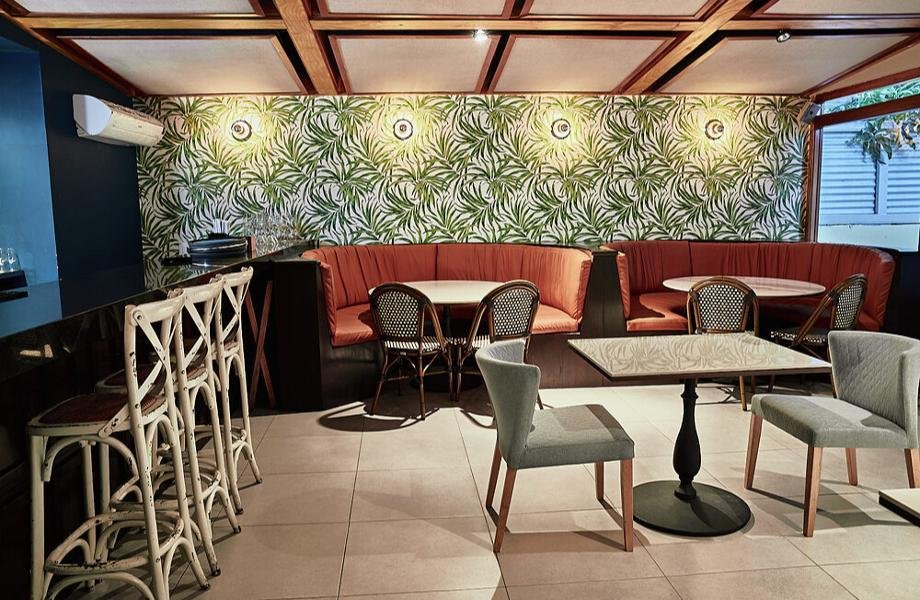
About Maito Restaurante
Maito Restaurante on Calle 50 operates at the intersection where Panama City's indigenous ingredient traditions meet contemporary kitchen technique. The drinks programme carries the same local-first logic as the food, drawing on native botanicals and tropical produce in a format that positions Maito alongside the more serious cocktail-and-cuisine programmes now defining the city's premium dining tier.
Calle 50 and the Shift in Panama City Dining
Panama City's restaurant culture has moved through several phases in the past decade. The corridor running along Calle 50 and its surrounding blocks in the financial district once belonged almost entirely to international chains and hotel dining rooms calibrated to business travellers. What replaced that model, slowly and then quickly, was a generation of kitchens serious about Panamanian ingredients: cacao from Bocas del Toro, corvina from the Pacific, plantains worked beyond the obvious, and tropical herbs that rarely appeared on menus outside home cooking. Maito Restaurante, on Calle 50, arrived as part of that first wave and has since become one of the clearest reference points for understanding where the city's premium dining tier now sits.
The scene outside a restaurant often tells you as much as the menu. Calle 50 at dinner hour carries the particular energy of a city that works hard and eats late. The financial district empties of suits by early evening, but the restaurants fill. Maito draws a room that mixes Panama City's professional class with travellers who have done enough research to know that the most interesting food in Central America right now is not in the obvious capitals. That mix produces a dining floor that feels deliberate rather than accidental, which is, in cities developing a serious food identity, exactly the right signal.
The Cocktail Programme as Editorial Statement
In cities building a food identity from the ground up, the cocktail programme is often the clearest indicator of how seriously a kitchen takes its local-ingredient thesis. A restaurant that commits to indigenous produce at the stove but pours generic imported spirits at the bar is sending a mixed message. Maito's drinks programme avoids that contradiction. The approach mirrors the kitchen's sourcing logic: native botanicals, tropical fruit, and ingredients drawn from Panama's agricultural geography replace the default imported standbys that fill cocktail lists across the region.
This kind of geographic commitment in a bar programme places Maito in a peer group that includes some of the most discussed drinks venues operating today. Superbueno in New York City has built a serious following around Latin American botanical ingredients handled with technical precision. Jewel of the South in New Orleans applies historical sourcing discipline to its drinks in a way that rewards the curious drinker. Kumiko in Chicago works with Japanese ingredient logic in a format that foregrounds restraint over spectacle. What these programmes share with Maito's approach is the conviction that the most interesting cocktails emerge from place-specific ingredients handled with technique, rather than from imported prestige spirits dressed up with garnish.
The broader global pattern is worth noting. The shift away from spirit-brand-led cocktail culture toward ingredient-led programmes has accelerated across every serious drinking city. 28 HongKong Street in Singapore demonstrated early that a bar could build reputation on technique and sourcing discipline rather than theatrical format. 1806 in Melbourne and 1930 in Milan each built their identities around depth of reference rather than novelty. In Panama City, Maito is doing something analogous but with ingredients that most of those programmes cannot access: the tropical biodiversity of the isthmus itself.
Indigenous Ingredients and the Kitchen's Logic
The most accurate way to understand Maito's menu is as applied geography. Panama sits at a biological crossroads where North and South American species overlap, producing ingredient diversity that Panamanian cooking has historically underused at the restaurant level. The shift Maito represents is the decision to treat that biodiversity as a competitive asset rather than background noise. Cacao, chicheme, ají chombo, culantro, and native corn varieties appear in preparations that retain their character rather than flattening them into fusion compromise.
This approach connects Maito to a wider movement in Latin American dining that has been reshaping how the region's cuisine is understood internationally. The argument is simple: local ingredients, handled with serious technique and without the anxiety of approximating European or North American templates, produce food that cannot be replicated elsewhere. Maito makes that argument in Panama City with more consistency than most of its immediate peers.
Where Maito Sits in the Panama City Scene
Panama City's premium dining tier is smaller and younger than its counterparts in Lima, Mexico City, or Buenos Aires, but it is developing the infrastructure that defines a serious food city: specialist suppliers, a kitchen generation that has trained abroad and returned, and a dining public with enough exposure to regional and international cooking to reward ambition. Maito occupies a position at the upper end of that tier, drawing comparisons from international visitors to restaurants operating at a similar local-ingredient register in other capitals.
For drinks specifically, the city's cocktail culture is still consolidating. Olivo Wine Bar and Shop represents one direction, focused on wine depth and producer curation. Tántalo Hotel's Kitchen and Roofbar operates at a different register, with a format built around Casco Viejo's creative energy and a rooftop format that leans into the city's outdoor climate. Maito's drinks programme belongs to neither of those categories. It is closer in spirit to the bar programmes attached to serious kitchens in cities with more established food identities, where the drink is treated as an extension of the cooking philosophy rather than a separate commercial consideration.
Internationally, that peer group extends to venues like Bar Leather Apron in Honolulu, which operates with a similar discipline in a Pacific island context, and Julep in Houston, where Southern American botanical ingredients anchor a programme with clear geographic identity. The Parlour in Frankfurt demonstrates that ingredient-led cocktail thinking works as effectively in European contexts as it does in tropical ones. The common thread is rigour applied to place.
Planning a Visit
Maito is located on Calle 50 in Panama City's financial district, placing it within reach of the business hotel cluster that lines the same corridor and a short taxi or rideshare ride from the Miraflores and Casco Viejo areas where most visitors based in the historic centre stay. Panama City operates in the Atlantic Standard Time zone year-round, without daylight saving adjustment, and the dinner window runs later than most North American visitors expect: arriving before 8 p.m. typically means a quieter room. The wet season runs from May through November, but the city's covered restaurant infrastructure means that seasonal rainfall rarely affects a dinner reservation in the way it might an outdoor venue. For those building a broader Panama City itinerary across restaurants and bars, the EP Club Panama City guide covers the current scene in full across categories and neighbourhoods.
Frequently Asked Questions
- What is the signature drink at Maito Restaurante?
- Maito's cocktail programme is built around Panamanian botanical ingredients rather than a single signature drink, which aligns with the kitchen's local-sourcing philosophy. Expect preparations that draw on tropical fruit, native herbs, and regional spirits rather than the standard international cocktail canon. The programme is leading understood as an extension of the food menu's geographic argument rather than as a standalone bar concept.
- What is the standout thing about Maito Restaurante?
- In a city still developing its fine dining infrastructure, Maito is one of the clearest examples of a restaurant treating Panama's indigenous ingredient diversity as a serious culinary resource. Located on Calle 50 at the heart of the city's commercial centre, it draws an informed local and international room. The drinks programme reinforces rather than contradicts the kitchen's identity, which is less common than it should be at this price level in Central American dining.
- Is Maito Restaurante suitable for someone specifically interested in Panamanian culinary traditions rather than just contemporary Latin American cooking?
- Maito is one of the more consistent addresses in Panama City for guests whose interest is specifically in Panamanian ingredients and technique rather than the broader pan-Latin American format common at regional competitors. The menu grounds itself in local produce: species, preparations, and flavour profiles that reflect the isthmus's biological and agricultural specificity. For travellers who have already encountered contemporary Latin American cooking in Lima or Mexico City and want to understand what Panama's own ingredient traditions look like at a restaurant-level register, Maito provides that frame more directly than most alternatives on Calle 50.
Related editorial
- Best Fine Dining Restaurants in ParisFrom three-Michelin-star icons to the next generation of Parisian chefs pushing boundaries, these are the restaurants that define fine dining in the world's culinary capital.
- Best Luxury Hotels in RomeFrom rooftop terraces overlooking ancient ruins to Michelin-starred hotel dining, these are the luxury hotels that make Rome unforgettable.
- Best Cocktail Bars in KyotoFrom sleek lounges to hidden speakeasies, Kyoto's cocktail scene blends Japanese precision with global influence in ways you won't find anywhere else.
Save or rate Maito Restaurante on Pearl
Keep this venue in your Pearl passport, rate it after you visit, and track it alongside every other place you collect.