
Bar in Los Alamos, United States
Lo-Fi Wines
100ptsLow-Intervention Pours
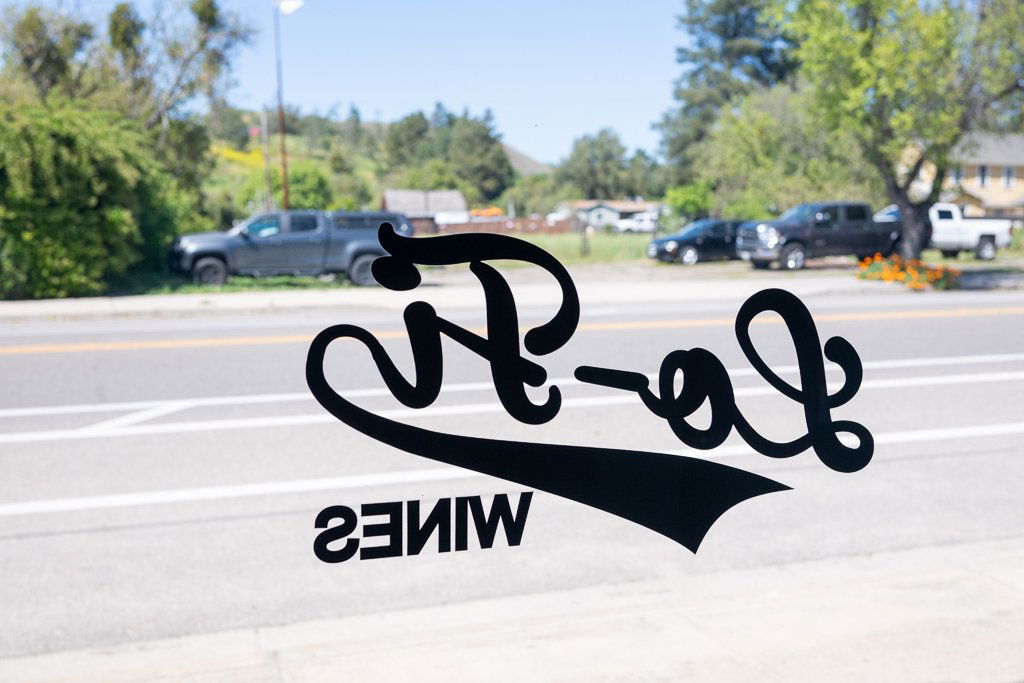
About Lo-Fi Wines
On Bell Street in Los Alamos, Lo-Fi Wines occupies a corner of California's Central Coast wine country where low-intervention production and a relaxed tasting-room format have become the dominant idiom. The address sits at the centre of a small town that has drawn serious wine producers and operators away from Napa's more formal register, making it a reference point for anyone tracking where American natural wine culture has taken root most convincingly.
Bell Street and the Low-Intervention Turn in California Wine
Los Alamos sits in the Santa Ynez Valley, roughly equidistant between Santa Barbara and San Luis Obispo, and for much of its history it was a quiet agricultural town that wine tourists passed through on their way somewhere else. That has changed substantially over the past decade. Bell Street, the town's single main drag, has accumulated a concentration of wine-focused operators that now functions as a self-contained destination rather than a waypoint. The broader Santa Barbara County appellation has long produced Pinot Noir and Chardonnay that sit closer to Burgundian restraint than to the fruit-forward Napa model, and Los Alamos has become the town where that orientation is most visibly expressed at street level.
Lo-Fi Wines, at 448 Bell St, is part of that pattern. The name is a declaration of method: low-intervention winemaking, minimal additions, a preference for native fermentation over industrial correction. In American wine, this approach has moved from fringe to mainstream acknowledgement over roughly fifteen years, and California's Central Coast has been one of the regions where it took hold most durably, partly because the climate allows riper fruit with enough natural acidity to survive without heavy manipulation.
What the Tasting Room Format Signals
The tasting-room model on Bell Street operates differently from what you find in Napa or Sonoma's more polished estates. The format here is closer to a wine bar than a production facility reception room: low overhead, high pour frequency, an expectation that visitors are already curious rather than needing to be convinced. Lo-Fi fits that register. The physical approach along Bell Street puts you in a row of independent operators where the aesthetic is deliberately unshowy, a deliberate contrast to the designed grandeur of the larger appellation players further north.
Neighbouring operators reinforce the context. Bodega Los Alamos and Pico Los Alamos anchor Bell Street's food and drink offer from different angles, and the combined effect is a block that rewards an afternoon of sequential stops rather than a single destination visit. Los Alamos rewards that kind of pacing. Our full Los Alamos restaurants guide maps the street's operators in full if you're planning around a longer visit.
The Wines: What Low-Intervention Means in Practice
Low-intervention winemaking is sometimes presented as a single coherent movement, but in practice it covers a wide spectrum. At its most rigorous, it means no added sulfur, no cultured yeasts, no fining or filtration, and minimal oak influence. At a looser application, it means reduced additions compared to conventional winemaking, with more allowance for vintage variation and microbial complexity. Both versions produce wines that taste different from the corrected, consistent profiles that dominated American wine retail through the 1990s and 2000s.
The Santa Barbara County context matters here. The region grows varieties that suit this approach well: Grenache, Syrah, and Pinot Noir on the red side, along with Chardonnay and Riesling whites, all benefit from the diurnal temperature swings that preserve acidity without requiring winemaker intervention to achieve balance. Lo-Fi operates in this environment, which means the wines have a structural argument behind the branding, rather than the method being applied to varieties or conditions that would struggle without correction.
For visitors arriving from urban bar programs on the coasts, the comparison that holds is less to a cocktail bar's technical precision and more to the kind of thoughtful, ingredient-led approach you see at places like Kumiko in Chicago or ABV in San Francisco, where the program is built around the quality of the base materials rather than masking or transforming them. The restraint is the point.
Los Alamos in the Wider California Wine Conversation
California wine tourism has long concentrated in Napa and Sonoma, where the infrastructure of large estates, fine dining, and hotel inventory has been built out over decades. Santa Barbara County and its sub-appellations, including the Santa Ynez Valley and the newer Los Alamos Valley AVA, occupy a smaller tier in that ecosystem. The trade-off is direct: less infrastructure, more accessibility. Tasting fees tend to be lower, queues shorter, and the operators generally more willing to engage in conversation about what they're making and why.
Bell Street in Los Alamos has become the most concentrated expression of this alternative model in Santa Barbara County. The town is small enough that the wine and food offer is genuinely walkable in under an hour, which changes the experience compared to driving between estate wineries spread across a large appellation. That compression is part of what makes the comparison to urban bar culture apt: Lo-Fi Wines operates in a context where foot traffic and neighbourhood character matter as much as the product itself.
For visitors who have explored craft cocktail programs in other American cities, the sensibility will feel familiar even if the format is different. The commitment to sourcing and technique over spectacle connects Lo-Fi's approach to what drives places like Jewel of the South in New Orleans, Julep in Houston, or Superbueno in New York City. The medium is different but the underlying argument about quality is the same. The same logic applies internationally at operators like The Parlour in Frankfurt, where the focus on production integrity over presentation has defined a generation of serious drink programs.
Planning Your Visit
Los Alamos is most practically reached by car from Santa Barbara, roughly 45 minutes north on US-101. Bell Street parking is limited but the town is compact enough that arriving and walking is the intended mode. Lo-Fi Wines sits at 448 Bell St, within easy reach of the street's other operators.
Booking details and current hours are not listed publicly, so checking directly before arrival is advisable, particularly for weekend visits when Bell Street draws higher footfall from Santa Barbara and San Luis Obispo. The tasting-room format across Bell Street generally skews toward drop-in during daytime hours, but specific format and advance booking requirements vary by operator. Visitors who have found value in reservation-forward programs at places like Bar Leather Apron in Honolulu, Allegory in Washington, D.C., or Bar Kaiju in Miami should treat Los Alamos as a looser format but apply the same advance planning instincts, particularly in peak summer and harvest season months.
Frequently Asked Questions
- What's the leading thing to order at Lo-Fi Wines?
- The house focus is on low-intervention still wines from Santa Barbara County varieties, which means Pinot Noir, Grenache, and Syrah on the red side alongside Chardonnay and other whites that suit native fermentation. Specific current pours are not published in advance, so arriving open to whatever the current release lineup includes is the most productive approach.
- What's the standout thing about Lo-Fi Wines?
- In a town that has become one of California's more coherent concentrations of low-intervention producers, Lo-Fi is notable for anchoring that identity directly in its name and applying it to Santa Barbara County fruit, which has the natural acidity and variety range to support the approach. The Bell Street location places it in a walkable cluster rather than an isolated estate, which changes how you experience it relative to most California wine tasting.
- Is Lo-Fi Wines reservation-only?
- Current booking requirements are not listed publicly. Given Lo-Fi's Bell Street location in a town that operates largely on a walk-in daytime model, drop-in visits are plausible, but confirming hours and format directly before visiting is advisable, particularly on weekends or during harvest season when Santa Barbara County draws higher visitor volume. No phone number or website is publicly listed at this time.
- How does Lo-Fi Wines fit into the broader low-intervention wine scene in California?
- Santa Barbara County has emerged as one of the California regions where low-intervention production has the strongest structural argument, because the climate produces fruit with natural acidity that reduces the need for winemaker correction. Lo-Fi sits within that regional identity and within the Bell Street cluster in Los Alamos, which functions as the most walkable concentration of this style of operator in the appellation. The town has drawn producers and operators specifically because its small scale and lower overhead support the kind of independent, method-first approach that Lo-Fi represents.
Related editorial
- Best Fine Dining Restaurants in ParisFrom three-Michelin-star icons to the next generation of Parisian chefs pushing boundaries, these are the restaurants that define fine dining in the world's culinary capital.
- Best Luxury Hotels in RomeFrom rooftop terraces overlooking ancient ruins to Michelin-starred hotel dining, these are the luxury hotels that make Rome unforgettable.
- Best Cocktail Bars in KyotoFrom sleek lounges to hidden speakeasies, Kyoto's cocktail scene blends Japanese precision with global influence in ways you won't find anywhere else.
Save or rate Lo-Fi Wines on Pearl
Keep this venue in your Pearl passport, rate it after you visit, and track it alongside every other place you collect.