
Bar in Florence, Italy
Bitter Bar
525ptsAmaro-Anchored Aperitivo


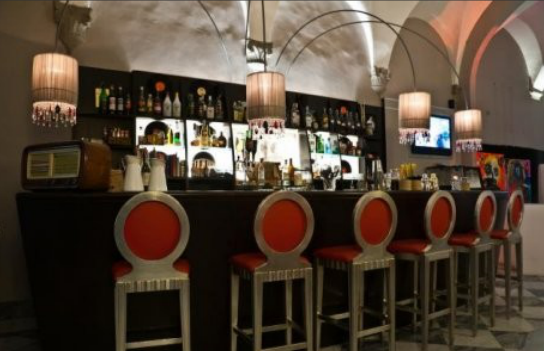
About Bitter Bar
Bitter Bar occupies a quietly authoritative position in Florence's cocktail scene, holding a 2025 ranking of #322 in the Top 500 Bars list alongside a Pearl Recommended designation. Located on Via di Mezzo in the Sant'Ambrogio quarter, it draws a 4.4 Google rating from over 438 reviews. For a city better known for Chianti than cocktails, that sustained recognition signals something deliberate happening behind the bar.
Bitter Bar Florence
Florence's Cocktail Scene and Where Bitter Bar Sits Within It
Florence has spent decades exporting its culinary authority through wine, leather, and Renaissance table culture, while its cocktail scene developed more quietly. The city's bar culture long orbited aperitivo tradition — the Campari soda, the Negroni, the pre-dinner ritual that needed no reinvention — rather than the technical cocktail movements reshaping Milan or Rome. That conservatism made space for a small tier of bars to earn recognition not through spectacle but through sustained craft, and Bitter Bar on Via di Mezzo sits in that tier.
Ranked #322 in the 2025 Top 500 Bars list and carrying a Pearl Recommended designation for the same year, Bitter Bar has accumulated credentials that place it inside a specific competitive set: the handful of Florence addresses that register on international bar circuits alongside venues like Gucci Giardino, Locale Firenze, and Atrium Bar. A 4.4 Google rating drawn from 438 reviews adds a layer of sustained general approval on leading of the industry signal , a combination that suggests consistency rather than a single strong year.
The Sant'Ambrogio Quarter: What the Address Communicates
Via di Mezzo runs through the Sant'Ambrogio neighbourhood on the eastern edge of the historic centre, away from the tourist corridor that concentrates around the Duomo and Piazza della Repubblica. Sant'Ambrogio has a market-town character , the Mercato di Sant'Ambrogio anchors its mornings, and the streets around it carry the rhythms of a working residential district rather than a curated visitor experience. Bars that open here address a mixed clientele: neighbourhood regulars, students from the nearby university quarter, and visitors who specifically seek out the less choreographed parts of the city.
That geographic positioning matters for understanding what Bitter Bar is doing editorially. Florence's most visible bar addresses cluster in and around the Oltrarno or near the luxury hotel corridor. A bar earning Top 500 recognition from a Sant'Ambrogio address is drawing its audience on the strength of what it pours and how it operates, rather than on footfall from adjacent luxury retail or hotel lobbies. Compare this to BABAE, another Florence bar with a distinct neighbourhood anchoring, and the pattern of craft-led addresses spreading beyond the historic tourist core becomes visible.
The Local-Global Technique Intersection
Italy's position in contemporary cocktail culture involves a productive tension. The country produces some of the world's most reference-point bitter liqueurs , amari from alpine herbs, Tuscan botanical distillates, the Campari and Aperol that define a category internationally , yet the technical vocabulary of modern bartending largely entered Italy from London, Copenhagen, and New York. The bars earning international rankings in Italian cities tend to be those that have resolved this tension productively: using the depth of local ingredient culture as the raw material, then applying imported technical discipline to extract different results from familiar bottles.
The name Bitter Bar signals a deliberate positioning within that tradition. Bitter-leaning spirits and aperitivo culture represent Florence's native cocktail grammar; a bar that foregrounds that identity while achieving Top 500 recognition is likely applying contemporary technique to a local canon rather than importing a generic international drinks program. This is the same pattern visible across the stronger Italian bar entries: 1930 in Milan and Drink Kong in Rome both carry strong Italian ingredient identity alongside technical credibility that reads on international circuits. L'Antiquario in Naples does the same within a different regional tradition. Bitter Bar appears to occupy an analogous position for Florence specifically.
What the Recognition Signals Tell You
The Top 500 Bars ranking methodology draws on votes from industry professionals and experienced drinkers, which means a #322 placement represents peer recognition as much as consumer popularity. The Pearl Recommended designation adds an independent editorial layer from a separate evaluation framework. When both signals align in the same year for the same venue, the inference is that the bar is performing consistently across different types of scrutiny rather than benefiting from a single strong promotional cycle.
For context, very few Florence bars appear in internationally tracked rankings of this kind. The city's cocktail infrastructure, while improving, remains less dense than Rome's or Milan's. Bitter Bar's appearance on the 2025 list puts it among a small group of Florence addresses with verifiable international standing. That scarcity amplifies what the ranking means locally: it is not one of fifty strong Florence bars jostling for position, but one of a handful with documented external validation.
Internationally, bars achieving similar dual-recognition profiles in their respective cities , technical credibility plus sustained consumer approval , include venues like Lost and Found in Nicosia and Bar Leather Apron in Honolulu, both of which demonstrate that market-specific positioning combined with international technique can generate cross-market recognition. Al Covino in Venice and Enoteca Storica Vini Naturali Faccioli in Bologna represent the same dynamic in other northern Italian cities.
Planning a Visit
Bitter Bar is located at Via di Mezzo 28/30r in Florence's 50121 postcode, within the Sant'Ambrogio district. The address is walkable from the historic centre , Via di Mezzo sits roughly ten minutes east of the Duomo on foot. Sant'Ambrogio operates on neighbourhood time rather than tourist time, and the bar's position in this district suggests it follows the rhythms of local evening culture: aperitivo hour leading into a longer evening service. Visitors planning around the city's major cultural sites would find it a natural complement to an afternoon in the area around Santa Croce, which sits nearby. For a fuller picture of what Florence's bar and restaurant scene currently offers, see our full Florence guide.
Frequently Asked Questions
What is Bitter Bar known for?
Bitter Bar is Florence's clearest representative of the intersection between the city's native aperitivo and amaro culture and the technical cocktail discipline that defines internationally ranked bars. Its 2025 Top 500 Bars placement at #322 and a simultaneous Pearl Recommended designation mark it as the kind of address where that combination has been assessed and found credible by two separate evaluation frameworks. In a city where the Negroni was famously born , the drink is attributed to a 1919 request at Caffè Casoni , a bar with bitter in its name and international ranking carries both historical resonance and present-day craft relevance. For Florence, that combination is rare enough that the bar occupies a distinct position in the city's drinking options.
What do regulars order at Bitter Bar?
The bar's name and its positioning within Florence's amaro-inflected drinking culture suggest a menu anchored in bitter-forward spirits and aperitivo-style builds. Italy's depth in this category , Fernet-Branca, Cynar, Averna, and a wide range of regional amari , gives a technically focused bar significant material to work with. Regulars at bars in this category typically gravitate toward classic structures executed with precision , Negroni variations, Spritz-adjacent builds using local botanicals, stirred spirit-forward drinks where the quality of the base amaro or bitter liqueur carries the glass. Without specific menu data, those categories represent the most likely territory for a Florence bar foregrounding bitter as its core identity and earning industry recognition for doing so well.
Recognized By


Related editorial
- Best Fine Dining Restaurants in ParisFrom three-Michelin-star icons to the next generation of Parisian chefs pushing boundaries, these are the restaurants that define fine dining in the world's culinary capital.
- Best Luxury Hotels in RomeFrom rooftop terraces overlooking ancient ruins to Michelin-starred hotel dining, these are the luxury hotels that make Rome unforgettable.
- Best Cocktail Bars in KyotoFrom sleek lounges to hidden speakeasies, Kyoto's cocktail scene blends Japanese precision with global influence in ways you won't find anywhere else.
Save or rate Bitter Bar on Pearl
Keep this venue in your Pearl passport, rate it after you visit, and track it alongside every other place you collect.