
Bar in Copenhagen, Denmark
71 Nyhavn Hotel
100ptsNyhavn Waterfront Positioning
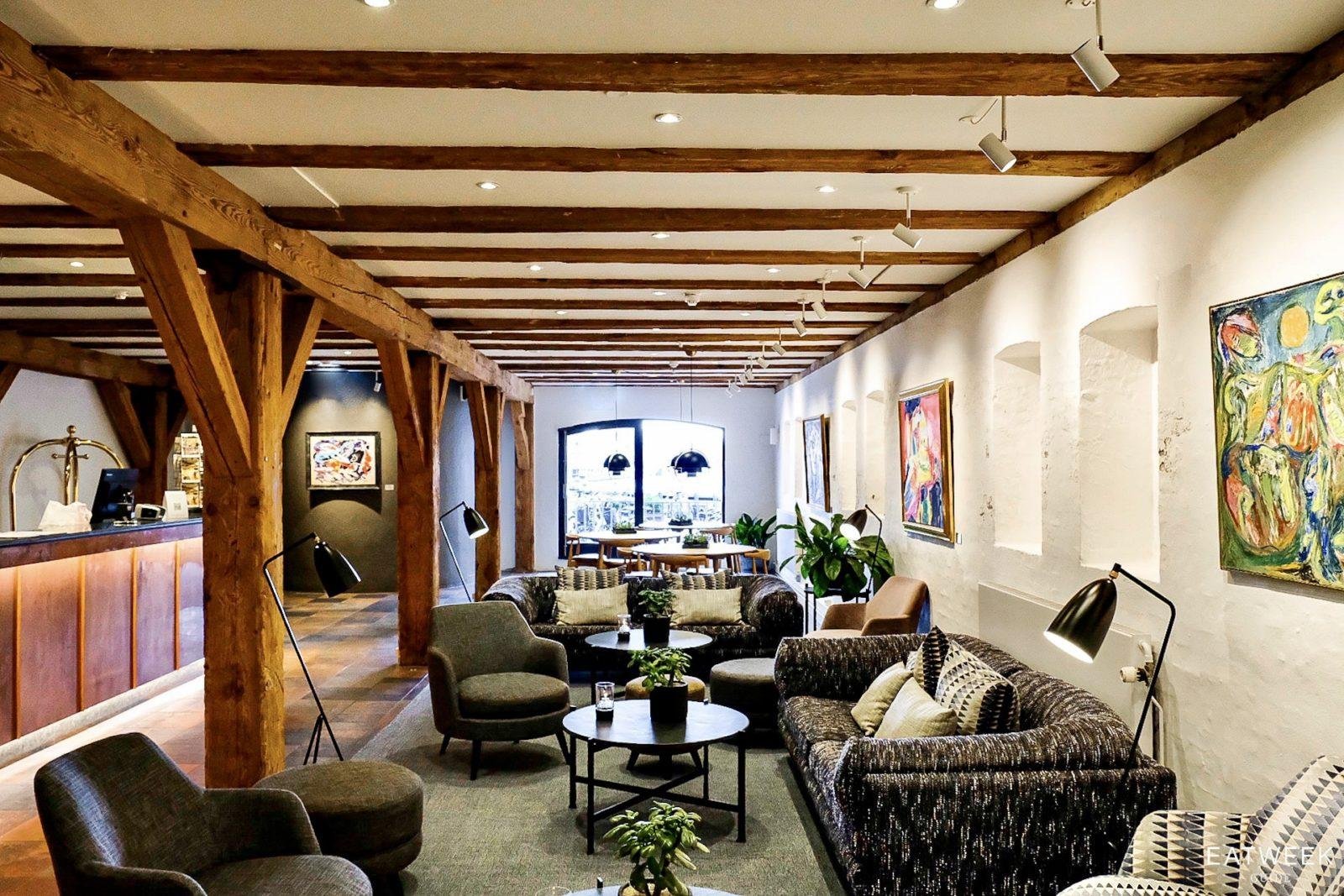
About 71 Nyhavn Hotel
71 Nyhavn Hotel occupies a pair of 19th-century warehouse buildings at the quieter eastern end of Copenhagen's most-photographed canal. The address puts guests within walking distance of Kongens Nytorv, Amalienborg, and the city's most serious restaurant and bar scene. For travellers who want character, canal-side position, and direct access to the Danish capital's best neighbourhoods, this is a considered choice.
The Eastern End of Nyhavn: What the Address Actually Means
Nyhavn is one of Europe's most recognisable waterfronts, but the canal divides more cleanly than most visitors expect. The western stretch, closer to Kongens Nytorv, draws the loudest crowds and the most tourist-facing restaurants. The eastern end, where the canal opens toward the harbour and Amaliehaven, runs quieter. 71 Nyhavn Hotel sits at that quieter end, in a pair of 19th-century former warehouse buildings that predate Copenhagen's transformation into a design-forward destination city by well over a century. The buildings themselves are part of the address's argument: the exposed brick, low ceilings, and irregular floor plans that come with genuine warehouse bones are not things that can be replicated in a new-build, however competently designed.
The location has practical weight. Kongens Nytorv, Copenhagen's largest square and the meeting point of the Metro, S-Tog, and several bus lines, sits a short walk west. Amalienborg Palace is within comfortable walking distance to the north. The city's inner neighbourhoods, Indre By to the west and the growing restaurant corridor along Frederiksstaden, are all reachable on foot. Travellers who want to understand Copenhagen at street level rather than through a taxi window will find this end of Nyhavn a sensible base.
Planning a Stay: What the Booking Experience Looks Like
Copenhagen is a city where advance planning pays off more than in many comparable European capitals. The combination of a relatively compact hotel supply in the central canal district, high demand from design-conscious and food-focused travellers, and a conference and events calendar that fills rooms across all price tiers means that last-minute availability at well-positioned properties is unreliable. The canal-side hotel category in particular runs lean on inventory: there are not many buildings on Nyhavn that can credibly deliver both heritage character and a functioning hotel operation, and 71 Nyhavn Hotel is among a small group that occupies that overlap.
For visitors planning around Copenhagen's main seasonal draws, the calculus is direct. Summer, roughly June through August, brings the longest days and the most foot traffic along the canal. The city's outdoor dining scene peaks in these months, and room rates across the centre reflect that demand. Shoulder seasons, particularly late September through October and March through April, offer meaningfully better availability and often better pricing, with the city's cultural and restaurant calendar running at full capacity. Copenhagen Restaurant Week and the city's design events draw targeted audiences that spike demand in specific windows, worth checking before booking.
Travellers coming primarily for the food and bar scene should note that Copenhagen's most-discussed restaurant programme extends well beyond Nyhavn itself. The city's Michelin-tracked restaurants are spread across multiple neighbourhoods, and the address at the canal end gives access to the centre without anchoring guests to any single dining district. That flexibility matters in a city where the most interesting meals are as likely to be in Vesterbro or Nørrebro as in the immediate canal vicinity. For context on the full dining picture, our full Copenhagen restaurants guide maps the city by neighbourhood and occasion.
The Canal-Side Hotel Category in Copenhagen
Copenhagen's hotel market has expanded significantly over the past decade, with new large-format properties opening across Vesterbro, the waterfront, and the areas around the new Metro lines. That expansion has sharpened the distinction between hotels that offer scale and amenities and those that offer position and character. The canal-side category is defined by the latter. Buildings on Nyhavn carry restrictions that limit intervention, which means the hotels that operate there are working with inherited structures rather than purpose-built layouts. That constraint produces rooms that vary in size and configuration more than a modern hotel would tolerate, but it also produces the physical atmosphere that guests are paying for when they book a Nyhavn address.
Within this peer set, 71 Nyhavn Hotel's warehouse origin is a specific differentiator. The warehouse buildings that line the eastern canal were functional structures: they were built for storage, not habitation, and the conversion to hotel use preserves traces of that origin in the exposed materials and the building's relationship to the water. That is a different proposition from the merchant townhouses that characterise the more-photographed western stretches of the canal.
Eating and Drinking Near the Hotel
The canal's tourist-facing restaurant strip is leading understood as a scenic backdrop rather than a dining destination. Visitors who want the full range of Copenhagen's food and bar programme will move through several neighbourhoods. That said, the area immediately around the eastern canal end connects well to some of the city's more considered drinking options.
Copenhagen's bar scene has moved decisively toward technical programmes and well-sourced spirits over the past several years. Ruby, one of the city's most consistently cited cocktail addresses, operates in the Indre By area and represents the direction the better Copenhagen bars have taken: serious product, lower noise levels, and menus built around craft rather than spectacle. Bird and Charlie's Bar each represent different registers of the city's bar culture and are worth factoring into an evening's itinerary. Admiralgade 26 occupies a smaller, more specialist position in the city's wine bar tier.
For travellers building a broader Denmark itinerary, the bar scene extends well beyond Copenhagen. Bardok in Aarhus and Oasis Vinbar in København K represent the country's growing interest in natural wine and considered hospitality outside the capital. Hugos No. 19 in Køge, No 43 in Hørsholm, and Visselulles Vinbar in Sønderborg show how the wine bar format has taken root across Danish cities of different scales. For international comparisons, Bar Leather Apron in Honolulu and Jewel of the South in New Orleans sit in a similar tier of craft-focused, hospitality-led bar programming.
Practical Notes for Staying Here
The Nyhavn address means the hotel is central without being in the absolute core of the pedestrianised shopping district, which reduces street noise relative to properties on Strøget. The Metro connection at Kongens Nytorv puts the airport (Copenhagen Airport, Kastrup) roughly 15 minutes away by direct line, which is a meaningful logistical advantage for short-break travellers arriving with carry-on luggage. The canal's cycle infrastructure connects directly to Copenhagen's broader bike network, and cycling is the most practical way to cover the distances between the key eating and drinking neighbourhoods in a single evening.
Rates across Copenhagen's canal-side hotel category track with European capital city pricing in the upper-mid to premium range. Booking three to four weeks ahead is a reasonable baseline for most of the year; for summer and major event windows, six to eight weeks is more reliable. Direct booking through the hotel's own channel typically avoids third-party fees, though availability is generally consistent across platforms.
Frequently Asked Questions
- What should I drink at 71 Nyhavn Hotel?
- The hotel's canal-side setting makes it a natural starting point before moving into Copenhagen's broader bar circuit. The city's cocktail programme is anchored by venues like Ruby and Bird, both reachable within 10 to 15 minutes on foot. Danish craft beer and natural wine have also become strong threads in the city's drinking culture, available at specialist venues across Indre By and Vesterbro.
- What is the main draw of 71 Nyhavn Hotel?
- The address is the primary argument: a genuine 19th-century warehouse building on the quieter eastern end of Copenhagen's most-visited canal, with direct Metro access to the airport and the rest of the city. Copenhagen's hotel supply in the canal-side heritage category is limited, which keeps properties like this in consistent demand regardless of season or price tier.
- Should I book 71 Nyhavn Hotel in advance?
- Yes, particularly for summer travel (June through August) and during Copenhagen's conference and design event calendar. The canal-side hotel category runs on constrained inventory, and central Copenhagen properties at the character end of the market fill faster than larger, newer hotels further from the waterfront. Three to four weeks ahead is workable in shoulder season; six to eight weeks is more prudent for peak periods.
- Is 71 Nyhavn Hotel suitable as a base for exploring Copenhagen's food scene?
- The location works well as a base precisely because it is central without being locked into a single dining district. Copenhagen's most-discussed restaurants are distributed across multiple neighbourhoods, from Frederiksstaden near the hotel to Vesterbro and Nørrebro further west. The Kongens Nytorv Metro stop, a short walk away, gives direct access to the airport and connects across the city's expanding Metro network, making it practical to range widely for dinner without depending on taxis.
Related editorial
- Best Fine Dining Restaurants in ParisFrom three-Michelin-star icons to the next generation of Parisian chefs pushing boundaries, these are the restaurants that define fine dining in the world's culinary capital.
- Best Luxury Hotels in RomeFrom rooftop terraces overlooking ancient ruins to Michelin-starred hotel dining, these are the luxury hotels that make Rome unforgettable.
- Best Cocktail Bars in KyotoFrom sleek lounges to hidden speakeasies, Kyoto's cocktail scene blends Japanese precision with global influence in ways you won't find anywhere else.
Save or rate 71 Nyhavn Hotel on Pearl
Keep this venue in your Pearl passport, rate it after you visit, and track it alongside every other place you collect.